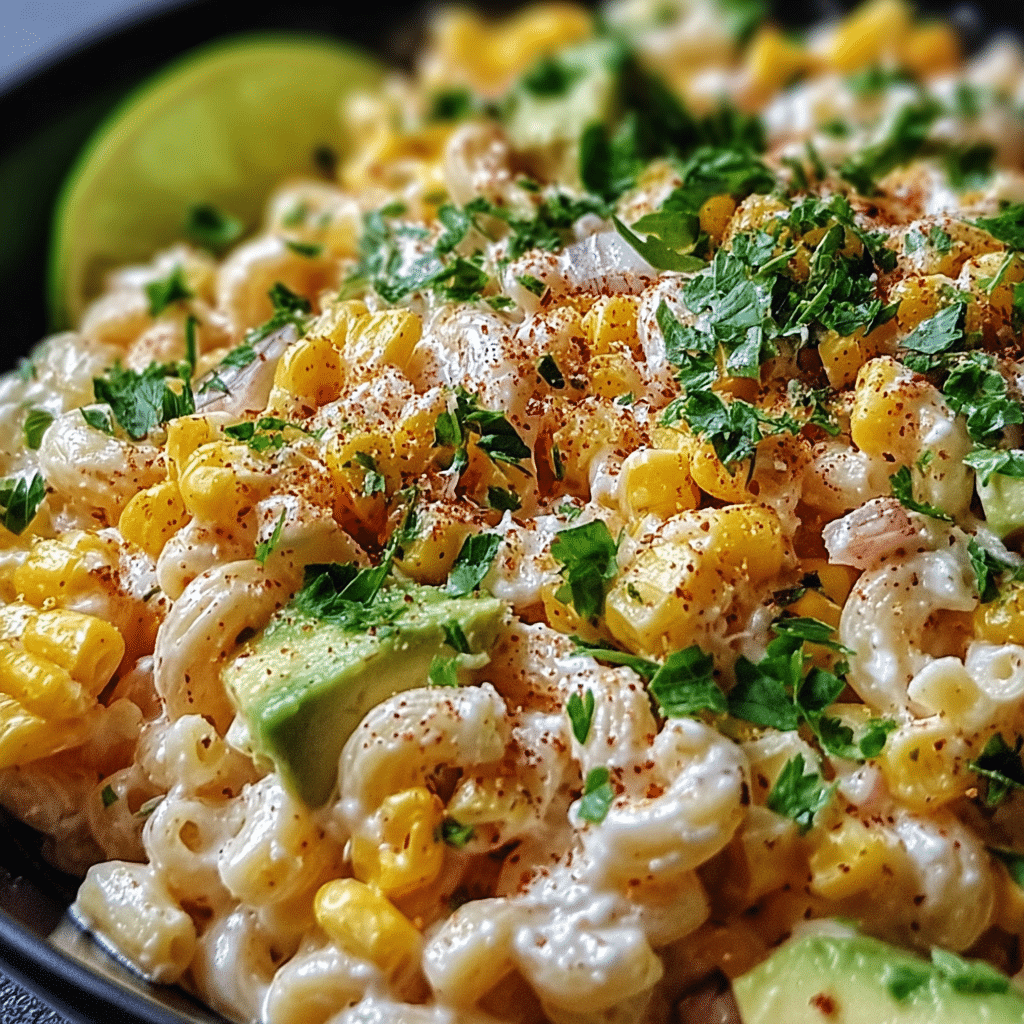
Best baked rigatoni is not just a dish; it’s a heartwarming experience that transcends the ordinary boundaries of a meal. I remember the first time I took a bite of this dish while visiting my grandmother’s home in the heart of New Jersey. The aroma wafted through the air, wrapping around me like a warm hug. My grandmother, with her gentle hands, carefully layered pasta, rich marinara sauce, and a generous sprinkle of cheese, creating a symphony of flavors that still dances in my memory. This was no ordinary baked pasta; this was her signature dish, and I knew from that moment that I had discovered something special.

The beauty of best baked rigatoni lies in its simplicity and versatility. Originating from Italy, rigatoni are short, wide tubes of pasta, perfect for holding onto sauce. This dish is often associated with comforting family gatherings, a staple on the dining tables during celebrations, and a favorite among busy families looking for a hearty meal that can be prepared in advance. It brings a sense of nostalgia, a reminder of family dinners filled with laughter and stories shared over a bubbling casserole dish.
The Story Behind This Recipe
As I grew older, I began experimenting with different variations of my grandmother’s baked rigatoni, adding my own twist while honoring her classic recipe. I remember one winter evening, I decided to host a cozy dinner party for my friends. I prepared the best baked rigatoni, and as soon as it came out of the oven, the cheese was perfectly golden and bubbly. The moment I served it, I could see the excitement in my friends’ eyes. Each bite was met with oohs and aahs, as they savored the comforting flavors. It was a reminder that food has the power to bring people together, to create lasting memories, and to evoke emotions that linger long after the meal is over.
What sets this recipe apart from others is its adaptability. You can easily customize it to suit different tastes – whether you prefer a meaty version with ground beef, a vegetarian option packed with seasonal vegetables, or a creamy white sauce variation, the possibilities are endless. This flexibility makes it the perfect dish for busy families seeking quick dinner solutions. You can prepare it ahead of time, pop it in the oven when you’re ready, and serve a comforting meal that satisfies everyone’s cravings.
Why You’ll Love This Dish
Seasonal relevance adds another layer of charm to best baked rigatoni. In the fall, you can incorporate roasted butternut squash or sage for a warm, earthy flavor profile. During the summer months, fresh tomatoes, basil, and zucchini can brighten the dish and showcase the bounty of the season. This adaptability not only makes it suitable for any season but also encourages creativity in the kitchen. It’s a dish that evolves with you, providing endless opportunities for experimentation.
For me, baked rigatoni is more than just a meal; it’s a celebration of family, tradition, and love. It’s a dish that I can share with my children, just as my grandmother shared it with me. I hope to pass down not just the recipe, but the stories and emotions tied to it. Through this guide, you’ll learn not only the secrets to making the best baked rigatoni but also how to make it your own, creating new memories and connections with those you love. So, roll up your sleeves, grab your apron, and let’s dive into the delicious world of baked rigatoni!
The Rich History and Cultural Significance of best baked rigatoni
The journey of best baked rigatoni begins in the heart of Italy, where pasta holds a sacred place in the culinary tradition. Rigatoni, with its ridged surface and hollow center, was designed for holding sauces, making it the perfect choice for baking. Its origins can be traced back to the central and southern regions of Italy, particularly in Rome and Naples, where pasta dishes are synonymous with family gatherings and communal dining.
Origins and History
Historically, pasta has been a staple in Italian cuisine since the early 13th century. The introduction of durum wheat flour allowed for the creation of various pasta shapes. Rigatoni, as we know it today, likely emerged in the 19th century, becoming a favored choice for hearty sauces due to its robust structure. The term “rigatoni” is derived from the Italian word “rigare,” meaning “to rid” or “to mark,” referring to the ridges that run along the pasta.
The dish itself, baked rigatoni, gained popularity in the United States with the waves of Italian immigrants in the late 1800s and early 1900s. They brought their culinary traditions with them, adapting recipes to fit the ingredients available in their new homeland. In American kitchens, baked rigatoni evolved to include various meats, cheeses, and sauces, transforming it into a beloved comfort food that resonates with many families today.
Cultural Significance
Baked rigatoni is often associated with special occasions and family gatherings. In Italian-American culture, it is a common dish served at holidays, weddings, and birthday celebrations. It represents a sense of togetherness and community, where people gather around the table to share not just food, but stories, laughter, and love. The ritual of preparing baked rigatoni is often a family affair, with everyone contributing to the process, further deepening the emotional connections tied to the dish.
Furthermore, the dish also varies regionally within Italy and among Italian-American communities. In Southern Italy, you might find baked rigatoni layered with eggplant, while in Northern regions, a creamy bechamel sauce is often used. Famous chefs like Lidia Bastianich and Mario Batali have put their own twist on this classic, showcasing the dish’s adaptability and timeless appeal.
Nutritional Benefits
Beyond its delicious taste and cultural significance, best baked rigatoni also presents nutritional benefits that make it a solid choice for families. Pasta, particularly whole grain varieties, is a good source of carbohydrates, providing energy for busy days. When combined with vegetables, lean proteins, and healthy fats, the dish can be balanced and nourishing. For instance, incorporating spinach or broccoli not only adds vibrant color but also boosts the dish’s vitamin content.
Moreover, baked rigatoni can easily cater to dietary needs by swapping out ingredients. You can use gluten-free pasta for those with gluten sensitivities or plant-based cheese and meat alternatives for a vegan version. This flexibility makes it a meal that everyone can enjoy, nourishing both the body and the soul.
In conclusion, the best baked rigatoni is not just a delightful dish; it is a celebration of history, culture, and personal connections. Its rich origins, regional variations, and potential for customization make it a timeless favorite. Whether you are serving it at a family gathering or enjoying a cozy dinner at home, baked rigatoni will always bring warmth and joy to the table, creating memories that last long after the last bite is gone.
Essential Ingredients for Perfect best baked rigatoni
When it comes to creating the best baked rigatoni, the foundation lies in selecting the right ingredients. Each component plays a crucial role in building flavor, texture, and overall satisfaction. Let’s dive into the essential ingredients you’ll need to create this delightful dish, exploring their importance, quality indicators, and sourcing tips.
Essential Ingredients
- Chicken: 1 pound, boneless, skinless, cut into bite-sized pieces.
- Beef: 1 pound, ground beef or diced steak, depending on your preference.
- Pork: 1 pound, ground pork or diced pork tenderloin for a rich flavor.
- Seafood: 1 pound, shrimp or scallops, cleaned and deveined, adding a unique twist.
- Pasta: 1 pound of rigatoni, the star of the dish, known for its tubular shape that holds sauce beautifully.
- Vegetables: 2 cups mixed vegetables, such as bell peppers, onions, and spinach for color and nutrition.
- Fruits: Optional, but consider adding a sweet element like roasted tomatoes or even a hint of apple in the sauce for complexity.

The Best Baked Rigatoni
Ingredients
- ¾ pound hot Italian sausage
- ¾ pound sweet Italian sausage
- 2 tablespoons olive oil
- 1 large yellow onion, diced
- ½ teaspoon dried oregano
- ¼ teaspoon dried thyme
- ¼ teaspoon dried rosemary
- 2 (24-ounce) jars prepared marinara sauce
- 2 cups water
- 1 (16-ounce) package ziti pasta
- 1 drizzle olive oil, or as needed, for greasing
- 1 ½ cups whole-milk ricotta cheese
- 8 ounces mozzarella cheese, cut into small cubes
- 1 cup grated Pecorino Romano cheese
- 1 teaspoon chopped flat-leaf parsley, or to taste
Instructions
- Gather the ingredients. Cut down the length of each sausage with a sharp knife. Remove and discard casings.
- Heat olive oil in a large saucepan set over high heat. Add sausages and onion. Cook, stirring occasionally and breaking up with a spatula, until sausage begins to brown, and onion turns translucent, 5 to 7 minutes. Add oregano, thyme, and rosemary and cook for 1 minute more.
- Pour in marinara sauce. Pour 1 cup water into each jar to rinse out remaining sauce; add to the saucepan. Stir together and bring sauce to a simmer.
- Reduce the heat to medium-low, and let simmer, stirring occasionally, for 1 hour. Taste for seasoning and adjust if needed. Turn off heat and reserve until needed. Before using, skim any excess fat that rises to the surface.
- While sauce simmers, bring a large pot of generously salted water to a boil. Add ziti and cook, stirring occasionally, for 1 or 2 minutes less than the directions on the package call for, about 8 minutes. Drain well and transfer into a large mixing bowl.
- Carefully add the meat sauce and stir until thoroughly combined. Let rest for 5 minutes. Meanwhile, preheat the oven to 375 degrees F (190 degrees C). Grease a large 9×15-inch casserole dish with a drizzle of olive oil. If you need to use a 9×13-inch dish, reserve about 1 cup cooked pasta to avoid overfilling and bubbling over.
- Use a slotted spoon to transfer half of the pasta and sauce mixture to the prepared dish, then use a spatula to even out into a uniform layer. Top with 1/2 of the ricotta cheese, 1/2 of the mozzarella cheese, and then 1/2 of the grated Pecorino Romano cheese, being sure to distribute evenly. Top with the rest of the pasta and sauce mixture and give the pan a little shake to settle the sauce. Repeat the cheese application.
- Bake in the center of the preheated oven until the cheese is melted and the casserole is piping hot, 30 to 35 minutes. Remove from the oven and let cool 10 to 15 minutes before serving. Top with parsley.
Each ingredient serves a vital role in crafting the best baked rigatoni. The choice of protein, for example, can dramatically alter the flavor profile. Chicken is light and mild, while beef and pork introduce a heartier taste. Seafood can provide a refreshing contrast, making your dish feel lighter and more sophisticated. The pasta itself, rigatoni, is perfect because its ridges capture sauce, ensuring every bite is full of flavor.
Quality Indicators
When selecting your ingredients, quality should be paramount. Freshness is key, particularly for proteins and vegetables. Look for chicken that is plump with a pale color, beef that is red with minimal marbling, and pork that has a pinkish hue. Seafood should smell like the ocean, not fishy—this is a sign of freshness. For vegetables, choose those that are vibrant and firm; wilted or discolored produce can ruin your dish.
Shopping Tips
Seasonal availability can significantly affect the quality and price of your ingredients. Local farmers’ markets are fantastic sources for fresh vegetables and sometimes even meats. Try to buy organic when possible, especially for produce, as it can enhance flavor and is often free from harmful pesticides. However, if you’re on a budget, conventional produce can still be a valid option—just be sure to wash it thoroughly.
For proteins, consider buying in bulk or visiting a butcher for better deals. Using frozen seafood can also save money while still providing quality, as it is often flash-frozen at peak freshness. When it comes to pasta, look for brands that use semolina flour, as this contributes to a better texture and flavor. Avoid any pasta that feels overly soft or has an off color.
Substitutions and Alternatives
Dietary restrictions can easily be accommodated with smart substitutions. For a vegetarian version, replace chicken, beef, and pork with hearty vegetables like mushrooms or zucchini and add lentils for protein. Gluten-free pasta options are widely available now, allowing those with gluten sensitivities to enjoy baked rigatoni without worry.
When it comes to storage, keep proteins in the coldest part of your fridge and use them within a couple of days or freeze them for longer preservation. Vegetables should be stored in the crisper drawer to maintain freshness. Pasta can be kept in a cool, dry place for months without any issues. If you have leftover ingredients, get creative! Toss extra vegetables into a stir-fry or mix leftover proteins into a salad for a quick meal.
In conclusion, when you’re aiming for the best baked rigatoni, the quality of your ingredients can make or break the dish. With thoughtful selection, proper storage, and creative substitutions, you can ensure that your baked rigatoni is not only delicious but also meets any dietary needs your family or friends may have.
Detailed Step-by-Step best baked rigatoni Cooking Instructions
Now that we’ve gathered our ingredients, it’s time to transform them into the best baked rigatoni. Cooking is an art that combines technique with creativity, and I’m excited to guide you through the process step-by-step. So put on your apron, roll up your sleeves, and let’s get cooking!
Preparation Steps
- Preheat Your Oven: Begin by preheating your oven to 375°F (190°C). This ensures that the baked rigatoni cooks evenly and thoroughly.
- Mise en Place: Gather all your ingredients and equipment. You’ll need a large pot for boiling pasta, a sauté pan for your proteins and vegetables, a baking dish, and a mixing bowl.
- Cook the Pasta: In a large pot of boiling salted water, add your rigatoni. Cook until al dente, about 8-10 minutes. Remember, it will continue cooking in the oven, so don’t overdo it!
- Prepare the Proteins: While the pasta is cooking, heat a tablespoon of olive oil in your sauté pan over medium heat. Add the chicken, beef, and pork (or seafood if using) one at a time, seasoning each with salt and pepper. Cook until browned and cooked through, about 5-7 minutes. Remove from the pan and set aside.
- Cook the Vegetables: In the same pan, add another splash of olive oil if needed. Sauté your mixed vegetables until they are tender and vibrant, about 5 minutes. If you’re using garlic or onions, add them first to soften before the other vegetables.
Cooking Process
- Combine Ingredients: In a large mixing bowl, combine the cooked pasta, proteins, and sautéed vegetables. This is where you can get creative—consider adding a splash of white wine or a sprinkle of red pepper flakes for added depth.
- Add Sauce: Stir in your choice of marinara sauce, Alfredo, or a blend of both. Ensure that everything is well-coated. The sauce is what brings the dish together, so don’t be shy!
- Layer in the Baking Dish: Transfer half of the pasta mixture into a greased baking dish, then sprinkle half of your cheese. Add the remaining pasta mixture on top and finish with the rest of the cheese. This layering creates a beautiful, cheesy crust that is essential for the best baked rigatoni.
- Bake: Place the baking dish in the preheated oven and bake for 25-30 minutes until the top is golden and bubbly. You’ll know it’s done when you can see the cheese melting and the edges of the sauce are bubbling.
Final Assembly
- Rest Before Serving: Once out of the oven, let your baked rigatoni rest for about 10 minutes. This allows the flavors to meld and makes serving easier. Plus, it’s less likely to burn your mouth!
- Garnish: For an extra touch, sprinkle freshly chopped basil or parsley on top. This not only adds a pop of color but also enhances the freshness of the dish.
- Serve and Enjoy: Serve your baked rigatoni with a side salad and some crusty garlic bread for a complete meal. Gather your loved ones around the table, and watch their faces light up as they dig into this delightful dish!
Throughout this process, remember that cooking is about enjoying the journey as much as the destination. Mistakes may happen, but they often lead to delicious surprises! Perhaps you forgot to add salt to the pasta water, or maybe you accidentally overcooked the protein. Don’t fret! Adjustments can always be made, and the most important part is the joy of creating something from scratch.
With these detailed instructions, you are well on your way to mastering the best baked rigatoni. Embrace the flavors, the aromas, and the joy of sharing a home-cooked meal with those you love.

Professional Tips and Techniques for best baked rigatoni
Professional Tips and Techniques for Best Baked Rigatoni
When it comes to creating the best baked rigatoni, there are a multitude of tips and techniques that can elevate this dish from ordinary to extraordinary. Whether you’re a novice in the kitchen or a seasoned pro, understanding these principles can make all the difference. I remember the first time I attempted to make baked rigatoni; it was a chaotic yet delightful experience filled with trial and error. But with these insider secrets, your journey will be smoother and your dish more delicious.
Professional Techniques
The foundation of a great baked rigatoni lies in the cooking techniques employed. Start with selecting high-quality ingredients. The pasta itself should be al dente before baking. This means boiling it for about two minutes less than the package instructions suggest, as it will continue cooking in the oven. A good tip is to add a pinch of salt to the boiling water; this enhances the flavor of the pasta significantly. Additionally, consider using a mix of cheeses for depth of flavor—mozzarella for gooeyness, ricotta for creaminess, and parmesan for that sharp, salty finish.
When layering your rigatoni, think of it as building a lasagna. Start with a layer of sauce at the bottom of your baking dish to prevent sticking, followed by half of your pasta, then a layer of cheese and sauce, and so on. This technique not only ensures even distribution of flavors but also creates a beautifully layered dish that is pleasing to the eye.
For those looking to delve deeper into culinary techniques, consider making your own sauce instead of using store-bought. A homemade marinara can take your baked rigatoni to the next level. Sauté onions and garlic in olive oil, add crushed tomatoes, and let it simmer until it thickens. This not only enhances the flavor but also fills your kitchen with an irresistible aroma.
Troubleshooting Guide
Even the most experienced cooks encounter hiccups in the kitchen. One common issue with baked rigatoni is dryness. To combat this, ensure that there’s enough moisture in your sauce. If your dish seems too dry after baking, try covering it with foil for the first half of the cooking time to trap steam. This keeps the pasta moist and prevents it from becoming overcooked.
If you find that your cheese isn’t melting properly, it could be due to the type of cheese used. Low-moisture mozzarella tends to melt beautifully, while other types may not yield the same results. Always opt for freshly grated cheese over pre-packaged shredded varieties, as they often contain anti-caking agents that can inhibit melting.
Presentation Tips
Presentation plays a significant role in the overall dining experience. Once your best baked rigatoni is ready, let it rest for about 10 minutes before serving. This allows the layers to set and makes for cleaner slices. When plating, consider garnishing with fresh basil or parsley to add a pop of color. A sprinkle of extra parmesan on top can also enhance the visual appeal while adding more flavor.
For wine pairings, a medium-bodied red wine, such as Chianti or Merlot, complements the rich flavors of the baked rigatoni. If you prefer white wine, a crisp Pinot Grigio can balance the dish’s richness. Serve the wine chilled, and your meal will feel like a true Italian feast!
Lastly, the make-ahead strategy is a game-changer for busy weeknights or entertaining guests. You can assemble the rigatoni ahead of time, cover it with plastic wrap, and refrigerate it until you’re ready to bake. Just remember to increase the baking time by about 15-20 minutes if baking straight from the fridge. By being prepared, you can serve the best baked rigatoni without the stress!
Creative Variations and Adaptations of best baked rigatoni
Creative Variations and Adaptations of Best Baked Rigatoni
Seasonal Variations
One of the most enjoyable aspects of cooking is adapting recipes based on the seasons. In the fall, adding roasted butternut squash and sage can create a warm, comforting dish that highlights autumn flavors. The sweetness of the squash pairs beautifully with the creaminess of the cheese and the heartiness of the pasta.
In the summer, fresh tomatoes and basil are a must. Incorporating these seasonal ingredients not only enhances the flavor profile but also adds a vibrant color to your dish. You might even consider a caprese-inspired version of baked rigatoni, using layers of fresh mozzarella, basil pesto, and ripe tomatoes. The freshness of these ingredients can transport you to a sunny Italian terrace!
Dietary Adaptations
With the growing trend toward dietary restrictions, it’s essential to have options for everyone at the table. For a gluten-free version of the best baked rigatoni, simply swap the traditional pasta for gluten-free rigatoni. There are many excellent brands available that offer texture and flavor close to the original.
If you’re catering to a vegan crowd, you can substitute dairy with plant-based alternatives. Use cashew cream or tofu blended with nutritional yeast for a creamy texture and flavor. Vegan mozzarella is also a fantastic option that melts well in the oven. Adding sautéed mushrooms or lentils can provide hearty protein while keeping the dish satisfying.
Creative Twists
For those who love to experiment, consider adding different proteins to your baked rigatoni. Ground turkey or chicken can lighten the dish while adding a different flavor dimension. For a more decadent twist, mix in Italian sausage for a spicy kick. You can even go international by incorporating ingredients like kimchi for a Korean-inspired version or chorizo for a Mexican flair.
Another innovative method is to utilize different cooking techniques. While the traditional oven bake is fantastic, you can also try cooking the rigatoni in a slow cooker for a set-it-and-forget-it approach. Layer the ingredients in the slow cooker, and let it work its magic over several hours. This method allows the flavors to meld beautifully, resulting in an incredibly rich dish.
Lastly, don’t forget about leftovers! Baked rigatoni can be transformed into a delicious pasta salad the next day. Simply toss cold rigatoni with chopped vegetables, a drizzle of olive oil, and a splash of vinegar for a refreshing meal. Or, consider repurposing it into stuffed bell peppers by filling halved peppers with leftover rigatoni, topping with cheese, and baking until bubbly.
With these creative variations and adaptations, your journey to discover the best baked rigatoni will be nothing short of exciting. Each iteration can tell a different story, reflect your culinary preferences, and bring joy to your dining table.
Storage, Reheating, and Meal Prep for best baked rigatoni
When it comes to enjoying a comforting plate of best baked rigatoni, the experience doesn’t need to end with the last bite at the dinner table. In fact, one of the greatest joys of cooking this delectable dish is the ability to store, reheat, and serve it later, making it a perfect choice for meal prep or family gatherings. In this section, we will delve into the intricacies of storing your best baked rigatoni, ensuring it retains its delightful flavors and textures, even days after it has been prepared.
Short-term Storage
After you’ve savored your best baked rigatoni, leftovers can be a wonderful treat. To store them properly, allow the dish to cool to room temperature. This is crucial because placing hot food directly into the refrigerator can raise the internal temperature, potentially compromising food safety. Once cooled, transfer your rigatoni into an airtight container. I recommend using glass containers with lids for easy reheating and to avoid any potential plastic leaching. Not only does glass keep food fresh longer, but it’s also microwave-safe, allowing for seamless reheating.
For short-term storage in the refrigerator, your best baked rigatoni can last for about 3 to 5 days. This timeframe allows you to enjoy leftovers without worrying about spoilage. However, if you notice any signs of mold or an off smell, it’s best to err on the side of caution and discard the dish. Labeling your containers with the date can be a handy practice to keep track of how long your rigatoni has been in the fridge.
Freezing and Long-term Storage
If you want to extend the shelf life of your best baked rigatoni even further, consider freezing it. Freezing is a fantastic option for batch cooking or if you simply want to prepare meals in advance. To freeze, allow your rigatoni to cool completely, then portion it out into individual servings or family-sized portions. I often use freezer-safe bags for this purpose, as they can be laid flat in the freezer, taking up less space than containers.
Before sealing the bags, remove as much air as possible to prevent freezer burn. A vacuum sealer is an excellent investment if you plan on freezing food regularly, as it can prolong the quality of your meals. When properly stored, best baked rigatoni can last in the freezer for up to 2-3 months. Remember to label your bags with the date and contents to make it easier to identify later on.
When you’re ready to enjoy your frozen best baked rigatoni, the best method is to thaw it in the refrigerator overnight. This slow thawing process helps retain the texture and flavors. If you’re short on time, you can also reheat it directly from frozen, but be prepared for a longer cooking time and to add a splash of sauce or water to keep it moist.

Reheating Best Practices
Reheating your best baked rigatoni correctly is essential to enjoy its original flavors. The microwave is a quick option, but it can sometimes result in uneven heating or a dried-out texture. To prevent this, place your rigatoni in a microwave-safe dish, cover it with a damp paper towel, and heat it in short intervals, stirring in between.
For the best results, I prefer reheating in the oven. Preheat your oven to 350°F (175°C), cover the dish with aluminum foil to retain moisture, and heat for about 20-30 minutes, or until the internal temperature reaches 165°F (74°C). This method not only warms your rigatoni evenly but also revitalizes the crispy top layer, making it just as delicious as when it was freshly baked.
When preparing for meal prep, consider making a double batch of your best baked rigatoni. Portion it out for the week ahead, and you’ll have a satisfying meal ready to go whenever hunger strikes. Just remember to practice good food safety by allowing it to cool before refrigeration or freezing, and be mindful of the 3-5 day shelf life in the fridge.
In conclusion, the joy of best baked rigatoni doesn’t have to end at the dinner table. With thoughtful storage, freezing, and reheating practices, you can savor this comforting dish long after the initial serving. Whether it’s for a busy weeknight dinner or a comforting lunch, knowing how to properly handle your rigatoni can make all the difference in enjoying its deliciousness day after day.
Nutritional Benefits and Health Information
As we dive into the world of best baked rigatoni, it’s important to appreciate not just the tantalizing flavors, but also the nutritional benefits that come with it. This dish, while indulgent, can be made with a variety of ingredients that contribute to a balanced diet. Let’s explore the nutritional profile of best baked rigatoni, the health benefits of its key components, and how it fits into various dietary considerations.
Nutritional Profile
The nutrition in best baked rigatoni can vary based on the ingredients used, but typically, a serving can provide a good balance of carbohydrates, proteins, and fats. A standard serving of rigatoni, when baked with cheese, meat, and a rich sauce, can contain approximately:
- Calories: 350-450 calories
- Carbohydrates: 40-60 grams
- Protein: 15-25 grams
- Fat: 10-20 grams
- Fiber: 2-4 grams
These values will fluctuate based on the use of whole grain pasta versus regular pasta, the amount of cheese, and the type of sauce used. For a heartier option, you might include ground beef or sausage, which boosts the protein content significantly.
Health Benefits
One of the standout ingredients in best baked rigatoni is pasta, which is primarily made from wheat. While it’s often viewed as a comfort food, pasta can provide a quick source of energy due to its carbohydrate content. Opting for whole grain pasta can increase your fiber intake, aiding digestion and helping you feel fuller longer. Additionally, when combined with vegetables, you can enhance the dish’s overall nutrient content. Spinach, bell peppers, or zucchini can add vitamins A and C, potassium, and antioxidants.
Cheese is another key ingredient in best baked rigatoni. While it does contribute to the calorie count, cheese also provides calcium and protein, essential for bone health and muscle repair. Using a mix of cheeses can not only elevate the flavor but also add variety to the nutritional benefits. For example, ricotta cheese adds creaminess and is lower in fat than mozzarella, while parmesan can provide a robust flavor with less quantity.
Dietary Considerations
When it comes to dietary considerations, best baked rigatoni can be adapted for various needs. For those watching their calorie intake, using lean meats or substituting with plant-based proteins like lentils or beans can significantly reduce fat content while maintaining flavor. Moreover, gluten-free pasta options are widely available, allowing individuals with gluten sensitivities to enjoy this hearty dish without worry.
Allergen information is particularly important in a dish like best baked rigatoni, as it often contains wheat, dairy, and sometimes eggs. Always check ingredient labels if you’re preparing this dish for someone with allergies. Additionally, if you wish to make it vegan, you can replace cheese with nutritional yeast or cashew-based cheese alternatives, which still provide a cheesy flavor without the dairy.
In terms of fitting into various diet plans, best baked rigatoni can be enjoyed as part of a balanced diet. For those following a Mediterranean diet, incorporating whole grain pasta, lean proteins, and plenty of vegetables aligns well with dietary recommendations. If you’re following a low-carb lifestyle, consider a zucchini noodle (zoodle) version of the dish, which maintains the essence of best baked rigatoni while reducing the carbohydrate count.
In conclusion, best baked rigatoni is more than just a comforting dish; it’s a versatile meal that can be tailored to fit numerous dietary needs while still offering a rich source of nutrients. With thoughtful ingredient choices and modifications, you can enjoy this classic dish guilt-free, savoring not only its delicious flavors but also the health benefits it can bring to your table.
Conclusion: Mastering the Perfect best baked rigatoni
Creating the perfect best baked rigatoni is more than just following a recipe—it’s about understanding the techniques, ingredients, and cultural significance behind this beloved dish. Throughout this comprehensive guide, we’ve explored everything from the historical origins to modern variations, ensuring you have all the knowledge needed to make this recipe your own.
Whether you’re a beginner cook or an experienced chef, the techniques and tips we’ve shared will help you create a best baked rigatoni that’s not only delicious but also meaningful. Remember that cooking is a journey of discovery, and each time you make this dish, you’ll learn something new.
We encourage you to experiment with the variations we’ve discussed, adapt the recipe to your dietary needs, and most importantly, share it with the people you love. Food has the incredible power to bring people together, and The Best Baked Rigatoni is the perfect dish to create lasting memories around your dinner table.