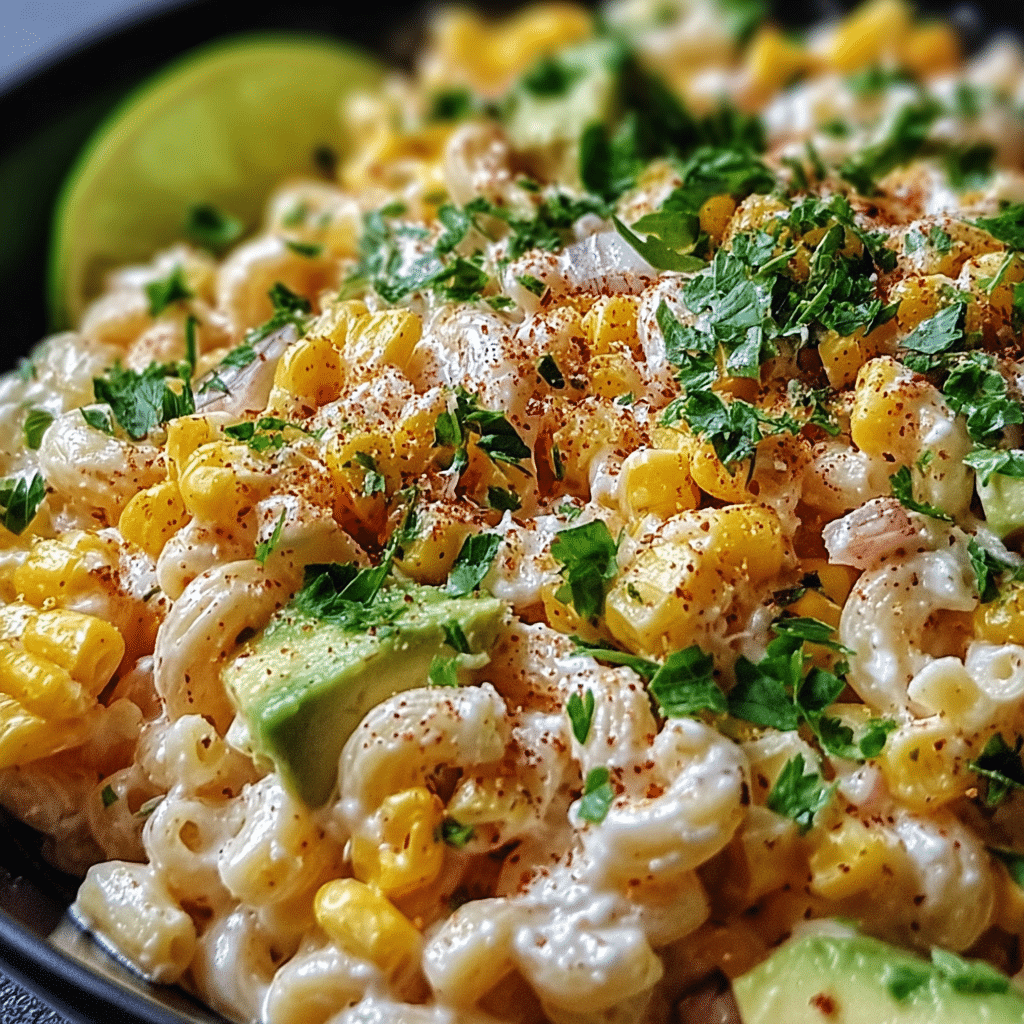
Shrimp scampi pasta has always held a special place in my heart, evoking memories of family gatherings and cozy dinners at home. I remember the first time I encountered this delightful dish, it was during a summer vacation in the quaint coastal town of Cape May, New Jersey. As a child, I was utterly enchanted by the magic of the ocean air mixed with the aroma of garlic and butter wafting from the kitchens of local restaurants. My family decided to dine at a charming Italian eatery, and when the waiter placed a steaming bowl of shrimp scampi pasta before me, I was mesmerized. The succulent shrimp, perfectly al dente pasta, and fragrant sauce created a picture of culinary perfection that I would carry with me long after that vacation ended.

Years later, as I set out to recreate that unforgettable dish in my own kitchen, I was determined to add my personal twist to the classic recipe. Armed with a handful of fresh ingredients and a sprinkle of creativity, I prepared my version of shrimp scampi pasta for my family. The joy on their faces as they took that first bite was a moment I cherish. It wasn’t just about the flavors; it was about the love and care that went into each ingredient and the memories we created together around the dinner table.
The Story Behind This Recipe
The cultural background of shrimp scampi pasta is rich and varied, deeply rooted in Italian-American cuisine. Though shrimp scampi, or “scampi” as it’s known in Italy, originally referred to a type of small crustacean similar to a langoustine, it has evolved in the United States to signify a dish made with shrimp, garlic, white wine, and butter. This transformation speaks volumes about how food can adapt and change to fit the tastes and lifestyles of different cultures. As Italian immigrants settled in the U.S., they brought their culinary traditions with them, melding old-world flavors with new ingredients found in their adopted homeland. This dish became a beloved staple due to its simplicity and the ease with which it could be prepared, making it a favorite for busy families looking for quick dinner solutions.
What makes shrimp scampi pasta special is not just its delectable taste but also its versatility. You can whip it up in under 30 minutes, meaning that even on the busiest of weeknights, you can serve a satisfying meal that feels gourmet. For families juggling work, school, and extracurricular activities, it’s a blessing to have a recipe that requires minimal prep yet delivers maximum flavor. Toss in seasonal vegetables like zucchini or asparagus, and you’ve got a dish that celebrates the bounty of nature while pleasing every palate around the table.
Seasonally, shrimp scampi pasta shines during warm weather months when fresh shrimp are at their peak, but it truly is a dish for any occasion. Whether you’re hosting a summer barbecue or cozying up for a winter evening, this dish fits right in. It embodies the spirit of gathering, of connection, and ultimately, of love. The warm aroma that fills your home while it cooks is enough to evoke cherished memories and create new ones.
As you delve into this guide, I promise you’ll learn not only how to prepare the perfect shrimp scampi pasta but also the nuances that make it a standout dish in any household. I’ll share tips, variations, and even some of my own personal anecdotes that will inspire you to make this dish your own and introduce it into your family’s culinary repertoire.
The Rich History and Cultural Significance of shrimp scampi pasta
The rich history and cultural significance of shrimp scampi pasta is an exquisite tale that spans continents and generations. To truly appreciate this beloved dish, we must dive into its origins, regional variations, and how it has evolved over time. While many associate shrimp scampi with Italian cuisine, the roots of this dish are deeply entwined with Italian-American history.
Origins and History
Historically, the term “scampi” in Italy referred to a particular type of crustacean, but when Italian immigrants arrived in the United States, they adapted the term to describe the dish we know today. The original recipe featured the small, sweet langoustines cooked in a sauce of garlic, olive oil, and white wine. However, as shrimp became more accessible and popular in America, the dish transitioned to the shrimp scampi pasta we cherish today.
During the mid-20th century, especially in the 1950s and 60s, shrimp scampi pasta surged in popularity among American families. It was featured in numerous cookbooks, television shows, and restaurants, solidifying its place as a staple in the culinary landscape. The dish exemplified the evolving American palate that embraced diverse flavors while remaining rooted in comfort and familiarity.
Cultural Significance
Today, shrimp scampi pasta is not just a recipe; it’s a cultural phenomenon. It represents the Italian-American experience, a symbol of family gatherings, and an embodiment of love and care. This dish often graces the tables of family celebrations, holidays, and even casual weeknight dinners. It’s a meal that brings people together, fostering connection and conversation.
Famous chefs and restaurants have also played a significant role in the popularity of shrimp scampi pasta. Iconic establishments in cities like New York and San Francisco have put their unique spins on the dish, further elevating its status in fine dining. Chefs have experimented with flavors, introducing elements like sun-dried tomatoes or creamy sauces, showcasing the adaptability of shrimp scampi pasta to modern culinary trends.
Nutritional Benefits
In addition to its cultural significance, shrimp scampi pasta offers nutritional benefits that make it a great choice for health-conscious diners. Shrimp is a lean protein that is low in calories and rich in essential nutrients such as selenium, vitamin B12, and omega-3 fatty acids. When paired with whole grain pasta and a medley of colorful vegetables, this dish can be not only satisfying but also nutritious.
Moreover, the use of fresh herbs like parsley and the healthy fats in olive oil contribute to the overall health profile of the dish. You can easily customize the recipe to include a variety of vegetables, increasing its fiber content and making it even more wholesome.
In summary, the journey of shrimp scampi pasta from its humble origins to its current status as a beloved dish is a testament to the power of food as a cultural connector. Each bite carries with it a rich history, a celebration of flavors, and an opportunity to create lasting memories with loved ones. Whether you’re enjoying it in a bustling restaurant or making it at home for your family, shrimp scampi pasta represents more than just a meal; it encapsulates the essence of togetherness and joy.
Essential Ingredients for Perfect shrimp scampi pasta
When it comes to creating a delicious shrimp scampi pasta, the ingredients are paramount. Each component plays a critical role in delivering a rich flavor profile that is both satisfying and comforting. The beauty of this dish lies not just in its taste but also in the quality and freshness of its ingredients. Below, you will find a comprehensive list of everything you’ll need along with tips on selecting the best options, seasonal availability, and even substitution ideas for dietary needs.
Essential Ingredients
- 12 oz rigatoni or penne pasta: The choice of pasta is essential; rigatoni or penne are perfect for holding onto the creamy sauce.
- 1 lb shrimp, peeled and deveined: Fresh or frozen shrimp are both good options, but ensure they are high quality. Look for shrimp that is firm and has a mild ocean scent.
- 4 tbsp butter: Unsalted butter is ideal for controlling the saltiness of the dish, while adding a rich, creamy texture.
- 4 cloves garlic, minced: Garlic adds depth and aroma; fresh garlic is best for optimal flavor.
- 1 cup heavy cream: This is what makes the sauce luxurious. Full-fat cream is recommended for the best results.
- 1 cup chicken broth: A good quality broth enhances the overall flavor; homemade is best, but store-bought can work too.
- 1/2 cup grated Parmesan cheese: Freshly grated cheese adds a nutty flavor and richness. Avoid the pre-grated varieties as they often contain anti-caking agents.
- 1 cup shredded mozzarella cheese: Mozzarella provides a wonderful stretchiness; opt for low-moisture mozzarella for better melting.
- 1/2 tsp red pepper flakes (optional): For those who like a bit of heat, this ingredient can be adjusted to taste.
- 1 tsp Italian seasoning: A blend of dried herbs that complements the shrimp nicely.
- Salt and pepper, to taste: Essential for seasoning your dish properly.
- 2 tbsp chopped fresh parsley: Fresh herbs brighten up the dish and add color.
- 1/2 cup panko breadcrumbs (optional, for topping): For an added crunch, panko can be used as a topping before baking.

Shrimp Scampi Pasta Bake
Ingredients
- 12 oz rigatoni or penne pasta
- 1 lb shrimp, peeled and deveined
- 4 tbsp butter
- 4 cloves garlic, minced
- 1 cup heavy cream
- 1 cup chicken broth
- 1/2 cup grated Parmesan cheese
- 1 cup shredded mozzarella cheese
- 1/2 tsp red pepper flakes (optional)
- 1 tsp Italian seasoning
- Salt and pepper, to taste
- 2 tbsp chopped fresh parsley
- 1/2 cup panko breadcrumbs (optional, for topping)
- Special Equipment:
- Large pot for boiling pasta
- Oven-safe baking dish
- Skillet for cooking shrimp and sauce
Instructions
- Cook the pasta according to package instructions until al dente. Drain and set aside.
- Prepare the shrimp by seasoning with salt, pepper, and red pepper flakes. In a large skillet, melt 2 tbsp butter and sauté shrimp for 2-3 minutes per side until pink and cooked through. Remove and set aside.
- Make the sauce by adding the remaining butter to the skillet. Sauté the minced garlic for about 1 minute until fragrant. Stir in the chicken broth and heavy cream, bringing to a simmer.
- Combine the flavors by adding Parmesan cheese and Italian seasoning to the sauce, stirring until smooth. Toss the cooked pasta and shrimp in the sauce until well coated.
- Assemble the bake by transferring everything into a greased baking dish. Sprinkle mozzarella cheese and breadcrumbs on top.
- Bake at 375°F (190°C) for 15-20 minutes or until bubbly and golden brown.
- Garnish with parsley and serve warm!
Shopping Tips
When shopping for ingredients for your shrimp scampi pasta, consider visiting local markets or seafood suppliers for the freshest shrimp. Look for shrimp that is labeled as ‘wild-caught’ as they tend to have better texture and flavor compared to farmed varieties. For pasta, choose a reputable brand; artisanal pasta can sometimes offer better flavor and texture than mass-produced options. Always check the expiration dates on dairy products such as heavy cream and cheeses to ensure freshness. When it comes to spices, purchasing them in bulk can save money and ensure you have the freshest possible product.
Substitutions and Alternatives
Finding the perfect ingredients sometimes requires substitutions, especially for those with dietary restrictions. For a gluten-free version of shrimp scampi pasta, opt for gluten-free pasta made from legumes or brown rice. If you’re lactose intolerant, you can replace heavy cream with coconut cream or a cashew cream alternative. For a lighter dish, consider using half-and-half instead of heavy cream, although this will change the richness of the sauce. If you’re vegetarian or vegan, you can substitute shrimp with sautéed mushrooms or zucchini for a similar texture, but keep in mind this will alter the flavor profile significantly. Always taste as you go and adjust seasoning accordingly!
In terms of storage, it’s best to consume shrimp the day of purchase. However, if you need to store shrimp, keep them in the coldest part of your refrigerator and use them within two days. Pasta can be stored in a cool, dry place indefinitely, while cheeses should be kept in the refrigerator and consumed within a week or two for the best flavor. Fresh herbs are best used immediately, but you can store parsley in a glass of water like a bouquet or wrap it in a damp paper towel and place it in a plastic bag in the fridge to extend its life.
By understanding the importance of each ingredient in your shrimp scampi pasta, and knowing how to select and substitute them, you’re one step closer to creating a delicious and memorable meal that will impress your family and friends.
Detailed Step-by-Step shrimp scampi pasta Cooking Instructions
Creating the perfect shrimp scampi pasta is not just about the ingredients; the method of preparation and cooking is equally important. This dish can be a bit intimidating for beginners, but with the right techniques and a little guidance, you’ll be able to whip up a fantastic meal in just about 30 minutes! Below, I’ll walk you through the entire cooking process step-by-step, sharing tips and tricks along the way to ensure your dish comes out perfectly every time.
Preparation Steps
- Mise en Place: Before you even think about turning on the stove, gather all your ingredients. This concept, known as mise en place, means “everything in its place.” Chop your garlic, measure out your cheese, and have your shrimp ready to go. This organization will make the cooking process smoother.
- Boil the Pasta: Fill a large pot with water and bring it to a rolling boil. Add a generous amount of salt—this is your chance to season the pasta. Once boiling, add your rigatoni or penne and cook according to package instructions until al dente. Reserve a cup of pasta water, then drain the rest when the pasta is done.
Cooking Process
- Cook the Shrimp: In a large skillet, melt the butter over medium heat. Once melted, add the minced garlic and sauté for about 30 seconds until fragrant. Be careful not to let it burn! Add the shrimp to the skillet, seasoning them with salt, pepper, and red pepper flakes if using. Cook until the shrimp turn pink and opaque, about 2-3 minutes per side. Remove them from the skillet and set aside.
- Make the Sauce: In the same skillet, add the chicken broth and bring it to a simmer. Stir in the heavy cream and allow it to reduce slightly, which should take about 5 minutes. The goal is to thicken the sauce a bit. Add the Italian seasoning, half of the Parmesan cheese, and half of the mozzarella. Stir until the cheese melts and the sauce is creamy.
- Combine Everything: Add the cooked pasta to the sauce, tossing to coat completely. If the sauce is too thick, add a splash of the reserved pasta water to reach your desired consistency. Gently fold in the shrimp and chopped parsley, mixing everything well.
Final Assembly
- Prepare for Baking: Preheat your oven to 350°F (175°C). Transfer the shrimp and pasta mixture into an oven-safe baking dish, spreading it evenly. This dish is not only functional but can also be beautiful; consider using a colorful ceramic dish to serve.
- Add Toppings: Sprinkle the remaining mozzarella and Parmesan cheese over the top. If you are using panko breadcrumbs, mix them with a little melted butter and sprinkle them over the cheese for an extra crunchy topping.
- Bake: Place the dish in the oven and bake for about 20-25 minutes until the top is golden and bubbly. Keep an eye on it during the last few minutes to avoid burning the cheese.
- Serving: Once baked, let the dish sit for a few minutes before serving. Garnish with more fresh parsley for a pop of color. Serve hot, and enjoy the delightful layers of flavors in your shrimp scampi pasta!
Throughout this cooking journey, there are a few common mistakes to avoid. Make sure not to overcook the shrimp; they should be just cooked through. Overcooking can lead to rubbery shrimp, which is far from enjoyable. When it comes to the sauce, remember that it will thicken more as it cools, so aim for a slightly looser consistency before baking. Lastly, don’t skip the step of reserving pasta water; it’s liquid gold that can elevate the creaminess of your sauce.
With these detailed instructions and expert tips, your shrimp scampi pasta will not only be delicious but also a fun cooking experience. Enjoy the process, and don’t forget to savor the fruits of your labor—there’s nothing quite like a homemade meal shared with loved ones!
Professional Tips and Techniques for shrimp scampi pasta
When it comes to creating a dish as delectable as shrimp scampi pasta, there are a few professional tips and techniques that can elevate your cooking game. As someone who has spent countless evenings in the kitchen experimenting with various shrimp scampi pasta recipes, I’ve learned that the secret to a truly memorable dish lies not just in the ingredients, but in how you prepare them. Let’s dive into the art of making shrimp scampi pasta with some insider tips that can transform your culinary experience.
Professional Techniques
One of the most important aspects of cooking shrimp scampi pasta is understanding the shrimp itself. Freshness is key; always opt for the freshest shrimp you can find. If you are using frozen shrimp, be sure to thaw them properly in the refrigerator overnight or under cold running water. Never use hot water, as it can cook the shrimp unevenly and affect their texture.
When sautéing your shrimp, a common mistake is overcrowding the pan. This leads to steaming rather than searing, resulting in rubbery shrimp. Instead, work in batches, giving each shrimp enough space to brown beautifully. I remember the first time I made shrimp scampi pasta; I was so eager to get the dish on the table that I packed the pan full of shrimp. The result? A soggy, uninspiring dish that taught me the value of patience.

Additionally, consider the timing of your pasta. When cooking spaghetti or linguine for shrimp scampi pasta, aim for al dente. The pasta will continue to cook when combined with the sauce, so it’s better to undercook it slightly. A quick tip: save a cup of pasta water before draining. This starchy water is a fantastic way to adjust the thickness of your sauce, adding both flavor and richness.
Troubleshooting Guide
Even the best chefs encounter issues from time to time, so knowing how to troubleshoot common problems can save your dish. If your shrimp scampi pasta turns out too salty, consider adding a splash of cream or a squeeze of fresh lemon juice to balance the flavors. On the flip side, if you find the sauce lacking depth, a touch of white wine can enhance the overall taste remarkably.
Another common issue is overcooked shrimp. If you notice that your shrimp are turning from pink to a dull color, they are overdone. Perfectly cooked shrimp should be opaque and firm to the touch. Keep an eye on them as they cook, as they can go from perfectly cooked to rubbery in a matter of seconds.
Equipment Recommendations
Investing in the right kitchen tools can make a significant difference in your cooking process. A heavy-bottomed skillet is essential for achieving the perfect sear on your shrimp. Non-stick pans are great, but a cast-iron skillet adds a beautiful depth of flavor. A good set of tongs is also a must-have, as they allow you to turn the shrimp with ease without breaking them apart.
Don’t forget about your pasta pot! A pot with a strainer insert is incredibly useful for draining your pasta without the hassle of transferring it to a colander.
Make-Ahead and Meal Prep Strategies
One of the beauties of shrimp scampi pasta is that many components can be prepared ahead of time. You can peel and devein your shrimp a day in advance and store them in the refrigerator. The garlic and herbs can also be chopped and stored in an airtight container. When it’s time to cook, everything will be in place, making the process much smoother.
If you find yourself with leftover shrimp scampi pasta, it can easily be transformed into a baked dish. Just combine your pasta with a bit of cheese and breadcrumbs, bake until golden, and you’ve created a delightful new meal!
Presentation Tips
Presentation plays a significant role in the enjoyment of a meal. For shrimp scampi pasta, a simple yet elegant plating technique can make all the difference. Use a large, shallow bowl and twirl the pasta into a nest in the center. Arrange the shrimp artfully around the pasta, then drizzle with the sauce. A sprinkle of fresh parsley and a wedge of lemon will not only add color but will also enhance the dish’s aromatic profile.
Wine and Beverage Pairings
Pairing wine with shrimp scampi pasta can elevate your dining experience. A crisp Sauvignon Blanc or a light Pinot Grigio works wonderfully, as their acidity complements the richness of the garlic and butter sauce. If you prefer a non-alcoholic option, consider serving a sparkling water with a slice of lemon for a refreshing balance.
In conclusion, making shrimp scampi pasta is as much about technique as it is about flavor. With these professional tips and techniques, you’re well on your way to creating a dish that is not only delicious but also visually stunning. Remember, each time you cook, you’re not just following a recipe; you’re creating a story, one plate at a time.
Creative Variations and Adaptations of shrimp scampi pasta
As much as I adore the classic shrimp scampi pasta, I find that exploring creative variations can lead to exciting new flavor profiles and experiences. Whether it’s adapting to seasonal ingredients or accommodating dietary needs, the possibilities are endless. Let’s delve into some innovative ways to remix this beloved dish, ensuring that you can enjoy shrimp scampi pasta in a myriad of delightful forms.
Seasonal Variations
One of the joys of cooking is the ability to utilize seasonal ingredients, and shrimp scampi pasta is no exception. In the spring, consider incorporating fresh asparagus or peas into your dish. They add a bright pop of color and a touch of sweetness that complements the savory shrimp perfectly. I remember a spring dinner party where I mixed in blanched asparagus spears, and it was an instant hit!
In summer, ripe tomatoes can boost the freshness of shrimp scampi pasta. Try adding diced heirloom tomatoes or a splash of homemade tomato sauce for a delightful twist. During autumn, roasted butternut squash can provide a creamy, nutty flavor when blended into the sauce. And when winter rolls around, why not toss in some sautéed kale or spinach? Each season brings new opportunities to enhance your shrimp scampi pasta.
Dietary Adaptations
In our increasingly health-conscious world, modifying recipes to cater to various dietary needs has become essential. For those following a keto diet, substituting traditional pasta with spiralized zucchini or shirataki noodles offers a low-carb alternative that still retains the essence of the dish. The texture of zucchini noodles, or “zoodles,” may take a bit of getting used to, but with the right sauce, they can be incredibly satisfying!
For vegan adaptations, replace shrimp with marinated and sautéed mushrooms or even chickpeas. Use vegan butter and a splash of vegetable broth to mimic the richness of the traditional sauce. I once prepared a vegan shrimp scampi pasta using oyster mushrooms, and the umami flavor was astonishing! It’s all about finding the right substitutes that excite your palate.
Creative Twists
Once you’ve mastered the basic shrimp scampi pasta recipe, it’s time to let your creativity shine! For a spicy kick, consider adding red pepper flakes or a splash of sriracha to your sauce. You can also experiment with different types of cheese—Parmesan is standard, but a sprinkle of feta or goat cheese can add a unique tanginess that elevates the dish.
Another fun twist is to play with different cooking methods. Instead of the traditional stovetop preparation, try baking your shrimp scampi pasta in a casserole dish. Combine your cooked pasta and shrimp with the sauce, top with breadcrumbs, and bake until golden brown. This method creates a delightful crust while keeping the pasta moist and flavorful, offering a completely different texture experience.
If you’re into meal prep, consider making a shrimp scampi pasta salad. Chill your pasta and toss it with shrimp, fresh herbs, lemon juice, and olive oil. Serve it cold for a refreshing summer dish that’s perfect for picnics and potlucks.
Leftover Transformation Ideas
Leftovers can often feel uninspired, but not with shrimp scampi pasta! If you find yourself with extra, consider transforming it into a rich seafood risotto. Simply add some broth and arborio rice to your leftover pasta, allowing it to absorb the flavors while cooking. The creamy texture will breathe new life into your dish, making it feel entirely fresh.
Alternatively, you can whip up a shrimp scampi pasta frittata. Combine your leftovers with beaten eggs and cook them gently in a skillet until set. This is a great way to enjoy a hearty breakfast or brunch with a twist!
In conclusion, shrimp scampi pasta is a versatile dish that invites creativity and adaptation. By incorporating seasonal ingredients, accommodating dietary needs, and transforming leftovers, you can keep this beloved dish exciting and fresh. Whether you stick to tradition or venture into innovative territory, there’s no doubt that shrimp scampi pasta can be enjoyed in countless delightful ways, ensuring it remains a favorite in your kitchen for years to come.
Storage, Reheating, and Meal Prep for shrimp scampi pasta
Storing leftover shrimp scampi pasta can be as important as preparing it. After all, what’s better than the delightful thought of enjoying this comforting dish again the next day? In this section, we’ll explore the best practices for storage, reheating, and meal prep strategies that will keep your shrimp scampi pasta fresh and delicious.
Short-term Storage
Once you’ve prepared your shrimp scampi pasta, it’s crucial to store it properly if you plan to enjoy it later. The key to short-term storage is ensuring that the dish remains flavorful and maintains its texture. Start by allowing the pasta to cool at room temperature for no more than two hours after cooking. This is crucial as letting it sit too long can lead to the growth of harmful bacteria.
For short-term storage, you’ll want to use airtight containers. Glass containers are my personal favorite because they’re non-toxic and do not retain odors or stains. If you’re using plastic, ensure it’s BPA-free. Portioning your shrimp scampi pasta into individual servings can make it easier to grab a quick meal during busy weekdays while also reducing the risk of contamination from repeated opening and closing of larger containers.
When storing in the refrigerator, aim to consume the shrimp scampi pasta within 3 to 4 days. Be sure to label your containers with the date they were stored, so you can easily keep track of their freshness. When I prepare shrimp scampi pasta, I often make extra to have leftovers. It’s such a delight to know that a delicious meal is just a few minutes away!
Freezing and Long-term Storage
If you find yourself with a larger batch of shrimp scampi pasta than you can eat within a few days, freezing is an excellent option. However, it’s essential to know that not all ingredients freeze equally well. While the shrimp and pasta can be frozen, the creamy sauce may separate when thawed, which can affect the overall quality.
To freeze your shrimp scampi pasta properly, first, let it cool completely. Then, portion the pasta into freezer-safe containers or heavy-duty freezer bags. If using bags, press out as much air as possible before sealing to prevent freezer burn. A tip I’ve learned is to lay the bags flat in the freezer, which saves space and makes thawing quicker. Aim to use the frozen shrimp scampi pasta within 2 to 3 months for optimal flavor and texture.
When you’re ready to enjoy your frozen shrimp scampi pasta, the best method is to thaw it overnight in the refrigerator. This gentle thawing helps maintain the integrity of the dish. Once thawed, reheat it on the stovetop with a splash of water or broth to restore the sauce’s consistency. I love adding a bit of fresh garlic or parsley at this stage to revive the dish before serving!
Reheating Best Practices
Reheating shrimp scampi pasta requires a bit of finesse to ensure that it doesn’t become overcooked or dry. The stovetop method is my go-to because it allows for better control over the heating process. Start by placing the pasta in a skillet over low to medium heat, adding a splash of water, broth, or white wine to create steam. Cover the skillet to trap in moisture, stirring occasionally until heated through.
If you prefer using a microwave, transfer the shrimp scampi pasta to a microwave-safe container. Add a splash of liquid to help keep the pasta moist, then cover it loosely to allow steam to escape. Heat in short intervals, stirring in between, until warmed to your liking. Keep an eye on it to prevent overheating.
Food safety is paramount when reheating any dish, so always ensure that the internal temperature reaches 165°F (75°C) before serving. This temperature is crucial for killing any potential bacteria. I always use a food thermometer for peace of mind, especially when serving dishes to others.
In conclusion, proper storage, reheating, and meal prep techniques can significantly enhance your experience with shrimp scampi pasta. Whether you’re savoring a home-cooked meal or enjoying leftovers, following these guidelines will ensure that you get the most out of this delightful dish!
Nutritional Benefits and Health Information
When it comes to enjoying shrimp scampi pasta, you might wonder not only about its delightful taste but also its nutritional value. Understanding the health benefits and nutritional breakdown of this dish can help you make informed choices while savoring each bite. Let’s dive into the delicious world of shrimp scampi pasta and uncover its nutritional treasures!
Nutritional Profile
The base ingredients of shrimp scampi pasta include shrimp, pasta, garlic, butter, olive oil, and often a splash of white wine or lemon juice. This combination not only creates a symphony of flavors but also packs a nutritional punch. A typical serving of shrimp scampi pasta (about 1 cup) can contain approximately:
- Calories: 400-500
- Protein: 25-30g
- Carbohydrates: 40-50g
- Fat: 15-20g
These numbers can vary based on the specific ingredients and portion sizes. Shrimp, being the star of this dish, is an excellent source of lean protein, essential for muscle repair and growth. For those monitoring their caloric intake, it’s beneficial to note that shrimp is low in calories while being high in protein, making it an excellent choice for a balanced diet.
Health Benefits
The key ingredients in shrimp scampi pasta bring various health benefits to the table. Shrimp is rich in omega-3 fatty acids, which are known for their heart-healthy properties. Omega-3s help reduce inflammation and may lower the risk of chronic diseases such as heart disease. Additionally, shrimp is a good source of selenium, an antioxidant that supports immune function and thyroid health.

Garlic, another essential ingredient in this dish, is celebrated for its numerous health benefits. It has been linked to improved cardiovascular health, reduced blood pressure, and enhanced immune function. Plus, garlic adds that unmistakable flavor that elevates shrimp scampi pasta into a culinary delight!
While butter and olive oil are often used to create the sauce, olive oil is a healthier fat option that provides monounsaturated fats, which are beneficial for heart health. If you’re looking to make your dish even healthier, consider substituting some of the butter with additional olive oil.
Dietary Considerations
When it comes to dietary considerations, shrimp scampi pasta can be enjoyed by various dietary preferences and restrictions. For those on a gluten-free diet, using gluten-free pasta options made from rice, quinoa, or chickpeas can make this dish accessible without sacrificing flavor. Additionally, shrimp scampi pasta can be made dairy-free by using olive oil and skipping the butter or substituting with a plant-based alternative.
Vegetarians and vegans can also enjoy a version of this dish by replacing shrimp with plant-based protein sources such as sautéed mushrooms or tofu, while still maintaining the delicious garlic and herb flavors.
As for calorie-conscious eaters, the key is moderation. You can easily adjust the portion sizes of pasta or substitute with spiralized vegetables to create a lighter version. This way, you can indulge in shrimp scampi pasta without straying too far from your dietary goals.
In summary, shrimp scampi pasta is not only a delightful dish but also offers a range of nutritional benefits. Whether you’re enjoying it as a hearty meal or a light dinner, understanding its health profile can elevate your dining experience while keeping your health in check. So, dig in and enjoy every flavorful bite, knowing you’re nourishing your body with every forkful!