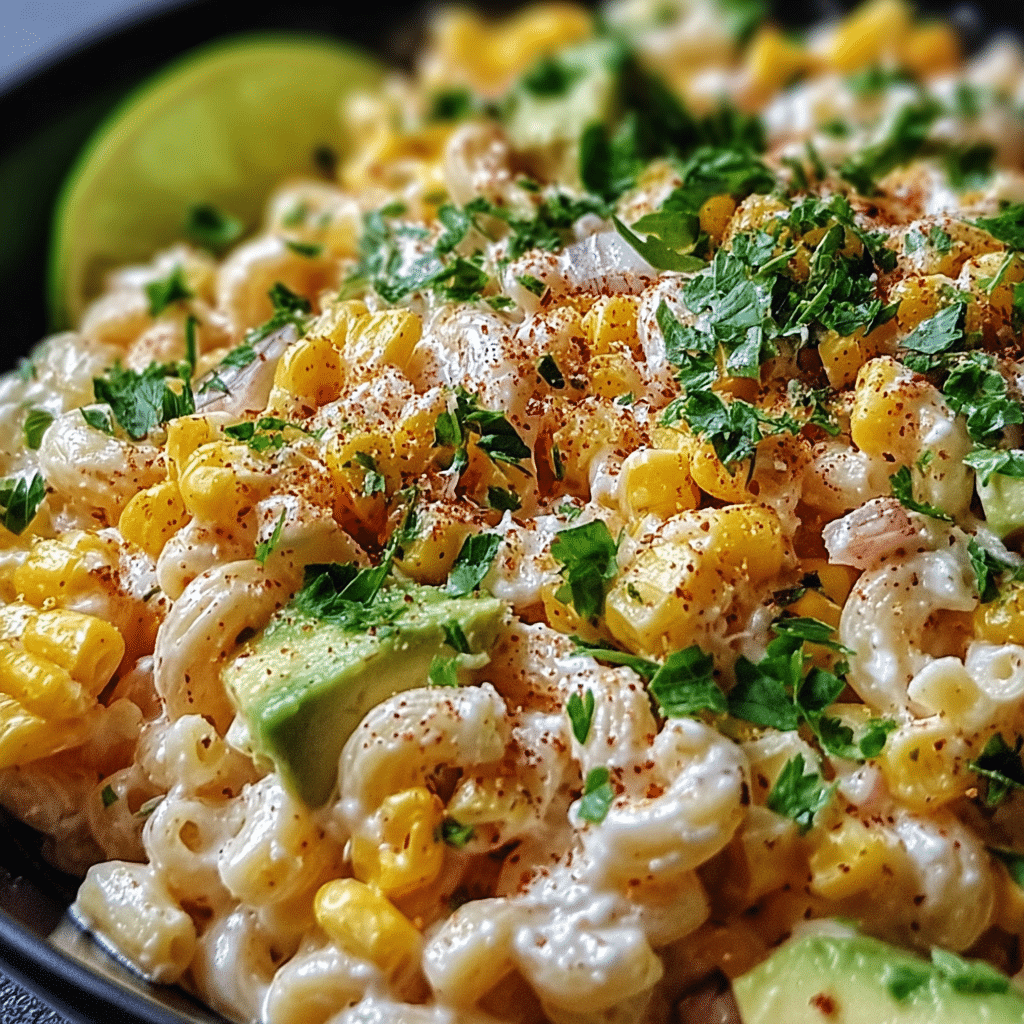
Shrimp scampi pasta has a way of wrapping its arms around you, drawing you in with its tantalizing aroma and vibrant flavors. I remember the first time I encountered this delightful dish; it was during a cozy family gathering at my aunt’s house, where the air was filled with laughter, clinking glasses, and the unmistakable scent of garlic and butter sizzling in a pan. As I watched her expertly toss the shrimp in a buttery sauce, I felt an instant connection to this dish, and it became a staple in my own kitchen. Every time I prepare shrimp scampi pasta, I am transported back to that warm, inviting evening, surrounded by loved ones.

The Story Behind This Recipe
As a child growing up in a family that cherished food, my culinary adventures began early. My aunt was the ultimate hostess, and her shrimp scampi pasta was her pièce de résistance. She would often prepare it for special occasions, and I was always eager to help, standing on a stool to reach the counter. The sizzling of the shrimp as they cooked in garlic and olive oil was music to my ears, and the moment she tossed the al dente pasta into the pan, it was as if I was witnessing magic. The vibrant colors of the dish—the pink shrimp, the green parsley, and the glistening noodles—made it a feast for the eyes as well. It was during these cooking sessions that I learned the importance of love and care in cooking, elements that truly make a dish special.
Shrimp scampi itself has roots in Italian-American cuisine, where the combination of succulent shrimp, garlic, and butter became a beloved classic. While the term “scampi” originally referred to a type of langoustine in Italy, it has evolved in the American culinary scene to signify a dish that features shrimp prepared in a similar buttery and garlicky way. This dish beautifully encapsulates the blending of cultures that occurs when traditional recipes cross the ocean and find new life in a different culinary landscape.
Why You’ll Love This Dish
So, what makes shrimp scampi pasta stand out among the myriad of pasta dishes? For one, it’s incredibly versatile and can easily be adapted to suit personal tastes or dietary needs. Whether you prefer it with a hint of spice from red pepper flakes or a splash of white wine for added depth, this dish allows for creativity in the kitchen. Moreover, it’s a quick meal that can be prepared in under 30 minutes, making it ideal for busy families who want a delicious home-cooked dinner without spending hours in the kitchen. The balance of flavors and textures in this dish—juicy shrimp, tender pasta, and vibrant herbs—creates a culinary experience that is both comforting and satisfying.
Seasonally, shrimp scampi pasta shines in the warmer months when fresh seafood is abundant and the days are long. It’s perfect for alfresco dining on balmy evenings, paired with a crisp glass of white wine. However, its warming and hearty characteristics also make it suitable for cozy winter nights, especially when served with a side of crusty bread to soak up that heavenly sauce.
Beyond its culinary appeal, shrimp scampi pasta carries an emotional connection for me. It represents love, family, and the joy of sharing a meal with those we hold dear. Each time I make it, I’m reminded of the laughter and stories shared around the dinner table, and it inspires me to create similar memories with my own family. As you dive into this ultimate guide to shrimp scampi pasta, you’ll discover tips, tricks, and variations that will elevate your cooking and bring this delightful dish into your home.
The Rich History and Cultural Significance of shrimp scampi pasta
The rich history and cultural significance of shrimp scampi pasta weave a fascinating tapestry that spans continents and culinary traditions. Understanding the origins of this dish not only enhances our appreciation for it but also allows us to connect with the myriad of flavors and stories that accompany it. The roots of shrimp scampi can be traced back to the coastal regions of Italy, where seafood has always played a pivotal role in the local cuisine. Historically, scampi referred to a small lobster or langoustine, and as Italian immigrants made their way to America, they adapted their recipes to include the more readily available shrimp.
Origins and History
In Italy, the dish we now know as shrimp scampi was originally a simple preparation of scampi (langoustines) sautéed in garlic and olive oil, often served with pasta. However, as Italian immigrants settled in the United States, they began to make substitutions based on the available ingredients, which led to the introduction of shrimp. The combination of shrimp with butter, garlic, and a hint of white wine became a staple in Italian-American cuisine, especially in regions with a strong Italian presence, such as New York and New Jersey. By the mid-20th century, shrimp scampi pasta had made its mark on American dining and was featured on menus across the country.
The evolution of shrimp scampi pasta is a testament to the adaptability of traditional recipes. Over the years, chefs and home cooks alike have experimented with different ingredients, from adding vegetables like spinach and tomatoes to incorporating various types of pasta. Each region in the United States has its own twist on the dish, showcasing local flavors and preferences. Some might prefer a creamier sauce, while others stick to the classic olive oil and garlic base, highlighting the dish’s versatility.
Cultural Significance
Shrimp scampi pasta holds a special place in the hearts of many, often served during family gatherings, celebrations, and holidays. Its ability to bring people together around the dinner table is part of what makes it so beloved. In Italian-American households, it often finds its way onto the menu for festive occasions, such as Christmas Eve, where the tradition of “Feast of the Seven Fishes” celebrates the bounty of the sea. This culinary custom highlights the importance of seafood in Italian culture and brings families together to share in the joy of food.
In addition to its role in family gatherings, shrimp scampi pasta has also made appearances in popular culture. It has been featured in numerous films, television shows, and cookbooks, becoming synonymous with comfort and indulgence. As more people become aware of the dish’s rich history, it has gained recognition not only as a delicious meal but also as a symbol of cultural connection and heritage.
Nutritional Benefits
Beyond its cultural significance, shrimp scampi pasta offers a variety of nutritional benefits, making it a smart choice for families looking to incorporate healthy ingredients into their meals. Shrimp is a low-calorie source of protein, packed with essential nutrients such as selenium, vitamin B12, and iodine. When paired with whole-grain pasta, it creates a balanced meal that provides fiber and energy. The inclusion of garlic and olive oil adds heart-healthy fats and antioxidants, further enhancing the dish’s nutritional profile.
By understanding the history and cultural context of shrimp scampi pasta, we can appreciate the dish not only for its delightful flavors but also for the stories and traditions it embodies. As you delve deeper into preparing this dish, remember that you’re not just cooking a meal; you’re participating in a culinary legacy that has been passed down through generations. The next time you bring shrimp scampi pasta to your table, take a moment to reflect on its journey and the connections it fosters within your family and community.
Essential Ingredients for Perfect shrimp scampi pasta
When it comes to creating a delicious shrimp scampi pasta, the ingredients you choose play a crucial role in the dish’s overall flavor and texture. Each element contributes to the rich, creamy sauce that envelops the pasta and succulent shrimp, creating a delightful culinary experience. Below, I’ll break down the essential ingredients for making the perfect shrimp scampi pasta, including tips on selecting, storing, and substituting as needed.
Essential Ingredients
- 12 oz rigatoni or penne pasta: The type of pasta you choose can significantly affect the dish. Rigatoni or penne are ideal for this recipe because their tubular shape holds onto the creamy sauce, ensuring every bite is flavorful.
- 1 lb shrimp, peeled and deveined: Fresh or frozen shrimp work well, but be mindful of sourcing. Look for shrimp that are firm to the touch and have a mild ocean scent. Avoid shrimp that smell overly fishy.
- 4 tbsp butter: Butter adds richness and depth to the sauce. For the best flavor, opt for unsalted butter, which allows you to control the saltiness of the dish.
- 4 cloves garlic, minced: Garlic is essential in shrimp scampi, providing that aromatic base. Fresh garlic is always best, as it adds a robust flavor compared to jarred options.
- 1 cup heavy cream: This is the cornerstone of the creamy sauce. Heavy cream lends a luxurious texture, making the dish rich and satisfying.
- 1 cup chicken broth: Chicken broth adds a layer of savory flavor. Choose low-sodium broth to better control the dish’s overall salt content.
- 1/2 cup grated Parmesan cheese: This ingredient enhances the dish with a salty, nutty flavor. Freshly grated cheese is preferable over pre-grated for better melting and flavor.
- 1 cup shredded mozzarella cheese: Mozzarella adds a gooey, stretchy texture and a mild flavor that balances the dish. Shred your own for the best meltability.
- 1/2 tsp red pepper flakes (optional): If you like a little heat, red pepper flakes can elevate the dish. Adjust the amount based on your spice preference.
- 1 tsp Italian seasoning: This blend of herbs complements the shrimp beautifully. If you have fresh herbs on hand, feel free to use them instead for a more vibrant flavor.
- Salt and pepper, to taste: Essential for seasoning, these staples allow you to enhance the flavors of all the other ingredients.
- 2 tbsp chopped fresh parsley: Fresh parsley adds a pop of color and freshness. It’s the perfect garnish for this dish.
- 1/2 cup panko breadcrumbs (optional, for topping): For a crunchy topping, panko breadcrumbs can be sprinkled on before baking. They add texture and contrast to the creamy pasta.

Shrimp Scampi Pasta Bake
Ingredients
- 12 oz rigatoni or penne pasta
- 1 lb shrimp, peeled and deveined
- 4 tbsp butter
- 4 cloves garlic, minced
- 1 cup heavy cream
- 1 cup chicken broth
- 1/2 cup grated Parmesan cheese
- 1 cup shredded mozzarella cheese
- 1/2 tsp red pepper flakes (optional)
- 1 tsp Italian seasoning
- Salt and pepper, to taste
- 2 tbsp chopped fresh parsley
- 1/2 cup panko breadcrumbs (optional, for topping)
- Special Equipment:
- Large pot for boiling pasta
- Oven-safe baking dish
- Skillet for cooking shrimp and sauce
Instructions
- Cook the pasta according to package instructions until al dente. Drain and set aside.
- Prepare the shrimp by seasoning with salt, pepper, and red pepper flakes. In a large skillet, melt 2 tbsp butter and sauté shrimp for 2-3 minutes per side until pink and cooked through. Remove and set aside.
- Make the sauce by adding the remaining butter to the skillet. Sauté the minced garlic for about 1 minute until fragrant. Stir in the chicken broth and heavy cream, bringing to a simmer.
- Combine the flavors by adding Parmesan cheese and Italian seasoning to the sauce, stirring until smooth. Toss the cooked pasta and shrimp in the sauce until well coated.
- Assemble the bake by transferring everything into a greased baking dish. Sprinkle mozzarella cheese and breadcrumbs on top.
- Bake at 375°F (190°C) for 15-20 minutes or until bubbly and golden brown.
- Garnish with parsley and serve warm!
Shopping Tips
When shopping for the ingredients, quality is key. For seafood, it’s advisable to buy shrimp that is sustainably sourced. Look for labels indicating wild-caught or farmed shrimp from responsible fisheries. If you’re near a coastal area, local seafood markets often have fresher options. For pasta, select reputable brands that offer high-quality durum wheat pasta, as it holds up better when baked.
Don’t hesitate to ask questions at your local grocery store or fish market. They can often provide insights into the best seasonal options and may even suggest substitutions if you’re looking for something different.
Substitutions and Alternatives
Dietary restrictions shouldn’t prevent you from enjoying this delightful shrimp scampi pasta. Here are some alternatives:
- Pasta: If gluten-free, opt for gluten-free pasta made from rice or quinoa.
- Shrimp: For a vegetarian option, consider sautéed mushrooms or a combination of vegetables like zucchini and bell peppers.
- Heavy cream: For a lighter version, use half-and-half or a dairy-free cream substitute.
- Butter: Substitute ghee or olive oil for a dairy-free option.
- Parmesan cheese: Nutritional yeast can be a great dairy-free alternative that provides a cheesy flavor.
Remember that freshness is key, especially for ingredients like shrimp and herbs. If you have leftovers, store them properly to maintain their quality. For shrimp, keep it in the coldest part of your fridge and consume within a day or two. Cheese should be wrapped tightly in parchment paper then plastic, while pasta can be stored in an airtight container once cooked.
In the end, the careful selection of ingredients can elevate your shrimp scampi pasta from good to unforgettable. As you prepare this dish, think of it as a canvas where each ingredient plays a role, contributing to the final masterpiece that will surely impress anyone you share it with.
Detailed Step-by-Step shrimp scampi pasta Cooking Instructions
Cooking a delicious shrimp scampi pasta may seem daunting at first glance, but with a structured approach, you can create a mouthwatering meal in just about 30 minutes! Below, I’ll guide you through a detailed step-by-step process, ensuring you have all the tips and tricks to make this dish shine. Let’s dive into the culinary journey that culminates in a beautiful shrimp scampi pasta bake.
Preparation Steps
- Gather Your Ingredients: Before you start cooking, prepare all your ingredients. This practice, known as mise en place, is crucial for a smooth cooking experience. Measure out your pasta, shrimp, butter, and other ingredients, and set them aside.
- Preheat Your Oven: If you’re planning to bake your shrimp scampi pasta, preheat your oven to 350°F (175°C). This ensures that when you’re ready to bake, the oven is hot and ready to go.
- Cook the Pasta: In a large pot of salted boiling water, add the rigatoni or penne pasta. Cook it according to package instructions until it’s al dente (usually about 8-10 minutes). Remember, it will continue to cook in the oven, so you want it slightly undercooked. Once done, drain and set aside.
- Prepare the Shrimp: While the pasta is cooking, you can start on the shrimp. Pat the peeled and deveined shrimp dry with paper towels. This step is important as it allows the shrimp to sear properly, enhancing flavor.
Cooking Process
- Sauté the Garlic: In a large skillet over medium heat, melt the butter. Once melted and bubbling, add the minced garlic. Sauté it for about 1-2 minutes until fragrant but not browned. Browning can lead to a bitter flavor, so keep an eye on it!
- Add the Shrimp: Carefully add the shrimp to the skillet. Cook for about 2-3 minutes on one side until they turn pink, then flip them to the other side. The shrimp should be opaque and firm when cooked through. If you are using red pepper flakes, sprinkle them in at this point for added heat.
- Make the Sauce: Once the shrimp are cooked, pour in the heavy cream and chicken broth. Stir to combine, allowing the sauce to simmer gently for about 5 minutes. This is where the magic happens; the flavors meld together beautifully. Add the grated Parmesan cheese and stir until melted and creamy. Season with salt, pepper, and Italian seasoning to taste.
Final Assembly
- Combine Pasta and Sauce: Add the drained pasta to the skillet, tossing it gently to coat with the creamy sauce. Ensure every piece of pasta is enveloped in that luscious sauce!
- Transfer to Baking Dish: Pour the shrimp and pasta mixture into an oven-safe baking dish. Spread it out evenly.
- Add Toppings: If you’re using mozzarella cheese and panko breadcrumbs, sprinkle them generously over the top. The panko will create a delightful crunchy topping that contrasts beautifully with the creamy pasta.
- Bake: Place the baking dish in the preheated oven and bake for 15-20 minutes or until the top is golden and bubbly. This step ensures the flavors meld even more, making every bite irresistible.
- Garnish and Serve: After baking, remove the dish from the oven and let it sit for a few minutes. Garnish with chopped fresh parsley for a pop of color and freshness. Serve warm, and watch as your guests dive into this hearty dish.
Throughout this process, pay attention to visual cues. The shrimp should be pink and opaque; the sauce should thicken and coat the back of a spoon. If at any point you feel like the sauce is too thick, a splash of additional chicken broth can help loosen it.

As you cook, remember that timing and multitasking are key. While the pasta boils, you can prepare the shrimp and sauce simultaneously, ensuring everything comes together seamlessly. Lastly, always prioritize food safety by ensuring shrimp is cooked to an internal temperature of 145°F (63°C).
Creating a shrimp scampi pasta bake is not just about following a recipe; it’s about enjoying the process, making it your own, and savoring the delightful aromas that fill your kitchen. With these detailed instructions, you’re well on your way to impressing yourself and anyone lucky enough to share this meal with you!
Professional Tips and Techniques for shrimp scampi pasta
When it comes to preparing a delicious dish like shrimp scampi pasta, having the right techniques and tips in your culinary arsenal can make all the difference. Shrimp scampi pasta is not just a meal; it’s an experience that brings together flavors and aromas that can transport you to the coastal shores of Italy. Whether you’re a novice in the kitchen or an experienced chef, this guide will provide you with professional tips and techniques to elevate your shrimp scampi pasta to new heights.
Professional Techniques
The foundation of any great shrimp scampi pasta lies in understanding the essential cooking techniques. Start by sourcing the freshest shrimp you can find; ideally, you want to buy shrimp that are wild-caught. The difference in flavor is palpable. When you cook the shrimp, ensure you don’t overdo it. Overcooked shrimp becomes rubbery, so aim for a perfectly cooked shrimp that is still tender and juicy. The best way to achieve this is to sauté the shrimp in a hot skillet with a splash of olive oil and a generous amount of garlic. Cook them just until they turn pink, usually about 2-3 minutes per side.
Another key aspect is the pasta. Choose a pasta that can hold onto the sauce well; linguine or fettuccine works beautifully. Always remember to salt your pasta water generously—this is your only chance to season the pasta itself. Cook the pasta until it’s al dente, as it will continue to cook in the oven when you make the bake. If you’re making a large batch, consider cooking the pasta for a minute less than the package suggests to avoid mushiness.
To create a rich and luscious sauce, deglaze your pan after cooking the shrimp. Add a splash of white wine, scraping up the brown bits stuck to the bottom of the pan. This not only adds depth to the sauce but also enhances the overall flavor of your shrimp scampi pasta. Finish off your sauce with a generous handful of fresh parsley and a squeeze of lemon juice for brightness.
Troubleshooting Guide
Even the most seasoned cooks can run into hiccups. One common issue with shrimp scampi pasta is ending up with a watery sauce. This can happen if you’ve added too much liquid while cooking the shrimp or if the pasta wasn’t drained adequately. To fix this, you can cook the sauce a little longer to reduce it, concentrating the flavors. Another issue might be the shrimp sticking to the pan. To prevent this, ensure your skillet is hot enough before adding the shrimp, and don’t overcrowd the pan—give them space to sear properly.
If your dish tastes bland, don’t fret! Sometimes the simplest solutions are the most effective. A little more salt, a dash of red pepper flakes, or additional lemon juice can elevate the flavors dramatically. Always taste as you go to adjust the seasoning perfectly.
Presentation Tips
We eat with our eyes first, and shrimp scampi pasta is no exception. To plate your dish beautifully, start with a twirl of pasta in the center of the plate, then artfully arrange the shrimp on top. Drizzle some of the sauce over the dish and finish with a sprinkle of fresh parsley for a pop of color. You might also consider garnishing with lemon wedges on the side, which not only looks appealing but allows guests to add a fresh squeeze of lemon to their liking.
Wine pairings can elevate your shrimp scampi pasta experience. A crisp Sauvignon Blanc or a light Pinot Grigio complements the dish splendidly, enhancing the flavors without overwhelming them. For a non-alcoholic option, sparkling water with a twist of lemon mimics that refreshing quality beautifully.
Lastly, if you’re considering meal prep, shrimp scampi pasta can be made ahead. However, it’s always best to cook the shrimp fresh if possible. You can prepare the sauce and pasta in advance, store them separately, and combine them right before serving. This way, you can enjoy a delicious, home-cooked meal without the last-minute rush.
Creative Variations and Adaptations of shrimp scampi pasta
One of the joys of cooking shrimp scampi pasta is its versatility. While the classic recipe is undeniably delicious, there are countless creative variations and adaptations that can cater to different tastes and dietary preferences. Here, we’ll explore exciting twists on the traditional shrimp scampi pasta, seasonal ingredient swaps, and adaptations for those with specific dietary needs.
Seasonal Variations
As the seasons change, so do the ingredients available to us. In spring, consider incorporating asparagus or peas into your shrimp scampi pasta for a fresh, vibrant flavor. Simply blanch the vegetables and toss them with the pasta at the end. In summer, ripe tomatoes and basil can elevate your dish with a burst of color and flavor, creating a delightful Caprese-style shrimp scampi pasta. During fall, think about adding roasted butternut squash, which adds a touch of sweetness and a lovely texture.
Winter is the perfect time to experiment with hearty greens like kale or spinach. Sauté them alongside the garlic before adding the shrimp for a nutrient boost and a pop of color. These seasonal swaps not only enhance the flavor but also make your dish more visually appealing and nutritionally balanced.
Dietary Adaptations
Shifting gears to dietary modifications, shrimp scampi pasta can easily be adapted to fit various dietary needs. For those following a keto lifestyle, swap traditional pasta for zucchini noodles or spaghetti squash. This keeps the dish low-carb while still allowing you to enjoy the flavors of shrimp scampi.
If you’re looking for a vegan adaptation, consider using plant-based shrimp made from ingredients like konjac or chickpeas, and replace butter with a vegan alternative, such as olive oil or vegan margarine. You can still achieve that garlicky, luscious sauce by using vegetable broth and nutritional yeast for a cheesy flavor.
Gluten-free diets can also enjoy this dish by using gluten-free pasta. Many brands offer excellent options that mimic the texture and taste of traditional pasta. Be sure to check the labels for any cross-contamination if you are sensitive to gluten.
Creative Twists
One of my favorite ways to add a twist to shrimp scampi pasta is through international fusion. Think about adding a splash of coconut milk and curry powder for a Thai-inspired version. The creamy coconut pairs beautifully with the shrimp and adds an entirely new depth of flavor. Alternatively, consider a Mexican-inspired take by adding fresh lime juice, cilantro, and a touch of jalapeño for heat, creating a delightful shrimp scampi pasta that offers a kick.
Another fun method is to change the cooking technique. While the classic shrimp scampi pasta is typically baked, you can prepare it in a slow cooker for a hands-off approach. Just combine all your ingredients in the slow cooker and let it work its magic while you go about your day. Similarly, an oven-baked version can create a crispy topping using breadcrumbs mixed with parmesan cheese, adding texture and flavor.
Don’t forget about leftovers! If you find yourself with extra shrimp scampi pasta, there are endless possibilities for transformation. Consider turning it into a shrimp scampi pasta casserole by mixing it with some cream and cheese, then baking it until bubbly and golden. Alternatively, you can repurpose it into a delicious shrimp scampi pasta salad by tossing it with fresh greens and a vinaigrette, perfect for a quick lunch the next day.
With these creative variations and adaptations, your shrimp scampi pasta can become a dish that you can enjoy year-round, catering to every taste and occasion. The key is to have fun with it and let your culinary creativity shine!
Storage, Reheating, and Meal Prep for shrimp scampi pasta
When it comes to enjoying a delicious dish like shrimp scampi pasta, knowing how to properly store, reheat, and meal prep it can extend your enjoyment long after the original cooking. Having spent many evenings perfecting my shrimp scampi pasta recipe, I’ve come to appreciate the nuances of storage. It’s not just about putting leftovers in the fridge; it’s about preserving that delightful blend of flavors and textures that makes shrimp scampi pasta such a beloved meal.
Short-term Storage
After whipping up a batch of shrimp scampi pasta, you’ll want to store it correctly if you plan on saving some for later. The best practice is to let the pasta cool down to room temperature before placing it in the refrigerator. This prevents condensation, which can lead to soggy pasta. For short-term storage, I recommend using airtight containers. Glass containers with tight-sealing lids work wonders as they do not retain odors and are microwave-safe. Plastic containers are also suitable, but make sure they are BPA-free.
Portioning your shrimp scampi pasta into single-serving containers can make meal planning easier. I typically use 1 to 2 cup containers for this purpose. Not only does this help in managing portion sizes, but it also makes for a quick grab-and-go meal during busy weekdays. When stored this way, shrimp scampi pasta can last in the refrigerator for about 3 to 4 days. However, be mindful that the freshness of shrimp tends to diminish quickly, so it’s best to consume it sooner rather than later.
Freezing and Long-term Storage
If you want to keep your shrimp scampi pasta for an extended period, freezing is your best bet. The key to successfully freezing this dish is to separate the components. I usually freeze the pasta and shrimp separately from the sauce. Cooked shrimp can become rubbery when frozen, so if you’re preparing a batch for the freezer, consider slightly undercooking the shrimp. This way, when you reheat it, the shrimp will have the perfect texture.
For freezing, I recommend using freezer-safe, airtight containers or heavy-duty freezer bags. Make sure to remove as much air as possible before sealing to prevent freezer burn. Label your containers with the date and the contents to keep track of what you have on hand. Generally, shrimp scampi pasta can be frozen for up to 2 months without losing its flavor. When you’re ready to enjoy it again, simply transfer it to the refrigerator to thaw overnight before reheating.
Reheating Best Practices
Reheating shrimp scampi pasta can be tricky, as you want to maintain the integrity of the ingredients. The microwave is convenient, but it can lead to uneven heating and overcooked shrimp. Instead, I prefer reheating on the stovetop. Add a splash of olive oil or a bit of butter to a skillet over medium heat, then add your shrimp scampi pasta, stirring frequently. This method helps restore moisture while ensuring even heating. If your pasta seems dry, you can add a splash of broth or water to bring it back to life.

For those who insist on using the microwave, use a microwave-safe dish, cover it with a damp paper towel, and heat in 30-second intervals, stirring often. This will help prevent the pasta from drying out. If reheating from frozen, it’s best to thaw it in the refrigerator overnight and then follow the stovetop reheating method for the best results.
Besides taste and texture, there are food safety considerations to keep in mind. Always check your shrimp for any off odors or changes in color before consuming. If you’re unsure, it’s better to err on the side of caution and toss it out. When reheating, ensure the internal temperature reaches at least 165°F (74°C) to eliminate any potential bacteria.
Lastly, let’s talk about meal prep. If you’re a fan of batch cooking, shrimp scampi pasta is perfect for this. You can prepare a large batch on the weekend and portion it out for the week ahead. Consider prepping the pasta and sauce separately and mixing them only when you’re ready to eat. This preserves the freshness of the ingredients and allows you to customize your portions based on your appetite each day.
In conclusion, understanding how to store, freeze, and reheat shrimp scampi pasta not only enhances your dining experience but also reduces food waste. By following these guidelines, you can enjoy this delectable dish multiple times, savoring the flavors and memories of the original cooking experience.
Nutritional Benefits and Health Information
When we gather around the table to enjoy a comforting dish like shrimp scampi pasta, it’s easy to forget about the nutritional benefits packed within. As someone who has always been conscious of what I put into my body, I find it fascinating to explore the health aspects of the ingredients we often take for granted. Let’s delve into the nutritional profile of shrimp scampi pasta, uncover its health benefits, and understand how it fits into various dietary considerations.
Nutritional Profile
At its core, shrimp scampi pasta is a delightful combination of ingredients: shrimp, pasta, garlic, butter, and often a splash of white wine or lemon juice. Each component contributes to the overall nutritional value. A single serving of shrimp scampi pasta (approximately 1 cup) generally contains around 350-400 calories, depending on the specific recipe and portion size.
In terms of macronutrients, shrimp scampi pasta typically offers a balanced distribution. You can expect around 20-25 grams of protein, thanks to the shrimp, which are an excellent source of lean protein. The pasta provides carbohydrates, which serve as a source of energy, usually around 40-50 grams per serving. It’s important to choose whole grain or whole wheat pasta when possible, as these options provide more fiber and essential nutrients.
Now, let’s not overlook the fat content. Shrimp scampi is often made with butter and olive oil, contributing to a healthy fat profile. While fats are essential for our bodies, moderation is key. Each serving might contain 10-15 grams of fat, primarily from the olive oil and butter, but it’s worth noting that olive oil is a source of monounsaturated fats, which are considered heart-healthy.
Health Benefits
The health benefits of shrimp scampi pasta largely stem from its ingredients. Shrimp, for instance, is low in calories and rich in key nutrients. They are high in selenium, a powerful antioxidant that plays a vital role in protecting against cellular damage. Additionally, shrimp provide vitamin B12, essential for nerve function and the production of red blood cells. The garlic used in shrimp scampi is not only aromatic but also has anti-inflammatory and immune-boosting properties, making it a beneficial addition to any dish.
Moreover, the pasta itself can be a source of dietary fiber if you opt for whole grain varieties. Fiber is essential for digestive health and can help regulate blood sugar levels, making it a great choice for those monitoring their glucose intake. The inclusion of fresh herbs, like parsley, adds another layer of vitamins and nutrients, enhancing the dish’s overall health profile.
Dietary Considerations
While shrimp scampi pasta is a delicious option for many, it’s important to consider dietary restrictions. For those with shellfish allergies, obviously, shrimp should be avoided. However, there are alternatives! You can substitute shrimp with chicken or tofu for a different but equally satisfying dish. For gluten-free options, using gluten-free pasta made from rice, quinoa, or chickpeas can provide a similar experience without the gluten. This flexibility makes shrimp scampi pasta a versatile meal choice that can cater to various dietary needs.
Caloric content and macronutrient distribution can vary significantly based on how you prepare your shrimp scampi pasta. If you’re looking to reduce calories, consider using less butter or oil, or swapping out traditional pasta for zucchini noodles or spaghetti squash. These substitutions can dramatically lower the calorie count while still delivering the enjoyable flavors of your favorite dish.
In terms of overall balance, shrimp scampi pasta can fit into many diet plans, whether you’re following a Mediterranean diet, a low-carb regimen, or simply aiming for a balanced meal. The key is to be mindful of portion sizes and ingredient choices to ensure you’re meeting your nutritional goals while still enjoying this delightful dish.
In conclusion, shrimp scampi pasta is more than just a comforting meal; it is a dish packed with nutritional benefits that can be enjoyed in various ways. By understanding its components and making informed choices, you can savor shrimp scampi pasta while maintaining a healthy lifestyle. So, the next time you sit down to enjoy this delightful dish, take a moment to appreciate not only the flavors but the nutritional goodness that comes along with it.
Conclusion: Mastering the Perfect shrimp scampi pasta
Creating the perfect shrimp scampi pasta is more than just following a recipe—it’s about understanding the techniques, ingredients, and cultural significance behind this beloved dish. Throughout this comprehensive guide, we’ve explored everything from the historical origins to modern variations, ensuring you have all the knowledge needed to make this recipe your own.
Whether you’re a beginner cook or an experienced chef, the techniques and tips we’ve shared will help you create a shrimp scampi pasta that’s not only delicious but also meaningful. Remember that cooking is a journey of discovery, and each time you make this dish, you’ll learn something new.
We encourage you to experiment with the variations we’ve discussed, adapt the recipe to your dietary needs, and most importantly, share it with the people you love. Food has the incredible power to bring people together, and Shrimp Scampi Pasta Bake is the perfect dish to create lasting memories around your dinner table.