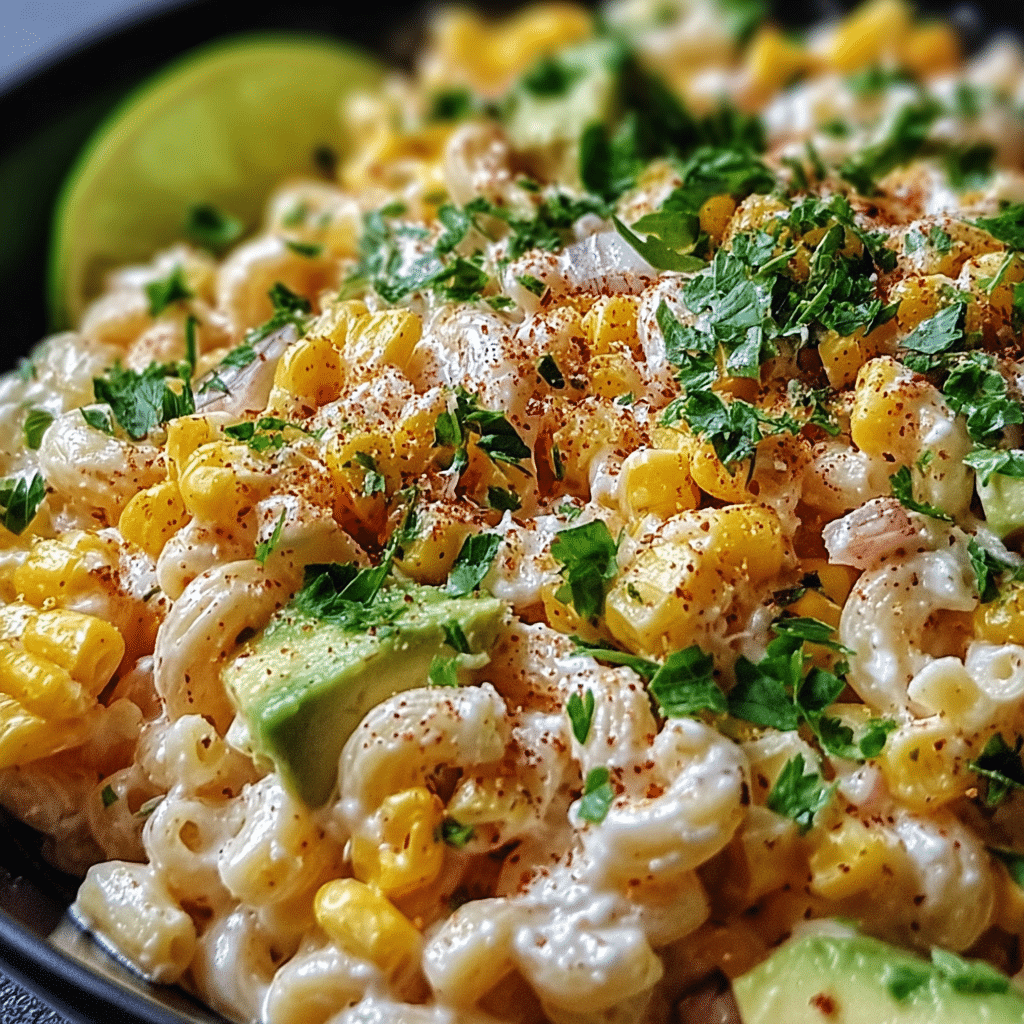
Deviled egg pasta is a delightful culinary creation that combines two beloved comfort foods into one irresistible dish. I first stumbled upon this scrumptious recipe during a summer family gathering, where my aunt decided to put a twist on the traditional deviled eggs that we all know and love. As I watched her effortlessly blend the creamy yolks with pasta, I was curious about how such a simple idea could yield such a flavor-packed meal. Little did I know, that day would mark the beginning of my passion for deviled egg pasta.

My aunt’s kitchen was filled with laughter and the aroma of spices, and as I took my first bite, I was transported back to childhood memories of holiday meals filled with deviled eggs piled high on platters. The creamy, tangy filling of the eggs was perfectly mirrored in the pasta, creating a dish that felt both nostalgic and innovative. It was a revelation that left me eager to recreate it in my own kitchen, and I quickly learned that this dish is not just a meal; it’s a celebration of family, tradition, and creativity in cooking.
The Story Behind This Recipe
Deviled eggs have been a staple in American cuisine for generations, often served at potlucks, picnics, and gatherings. The evolution of the deviled egg pasta dish is a testament to the creativity that arises from culinary necessity. As families look for more ways to enjoy the flavors of their favorite dishes while accommodating busy schedules, deviled egg pasta emerges as a solution that is both quick to prepare and deeply satisfying.
What makes this recipe particularly special is its versatility. While traditional deviled eggs may require meticulous preparation, deviled egg pasta can be whipped up in a flash. It combines the classic ingredients of mayonnaise, mustard, and seasonings with pasta, making it a perfect choice for families looking for a quick dinner solution. Whether you’re a busy parent juggling work and family or just someone who appreciates a good meal without the fuss, this dish has your back.
Seasonally, deviled egg pasta shines during the warmer months, when picnics and barbecues are in full swing. However, it’s equally comforting during the colder months, served warm or cold, making it a year-round favorite. At family gatherings, potlucks, or even a simple weeknight dinner, deviled egg pasta is sure to evoke a sense of nostalgia and joy.
Emotionally, this dish connects us to our roots, reminding us of the love and care that goes into family recipes. Each bite carries with it the laughter of shared meals and the warmth of togetherness. This dish is not just food; it embodies the spirit of family and community, serving as a bridge between generations.
In this guide, you will learn everything you need to know about making deviled egg pasta, from its origins to tips on perfecting the dish in your kitchen. You’ll discover variations that can suit any palate and make it your own. So grab your apron, and let’s dive into the marvelous world of deviled egg pasta!
The Rich History and Cultural Significance of deviled egg pasta
The rich history and cultural significance of deviled egg pasta are as captivating as the dish itself. This unique recipe draws from the long-standing tradition of deviled eggs, which date back to ancient Roman times when eggs were boiled, seasoned, and served as appetizers. The concept of ‘deviled’ refers to the use of spices and condiments, and by the 19th century, it had evolved into the creamy, tangy filling we adore today. The transformation of deviled eggs into a pasta dish signifies the creative progression of culinary practices over time.
Origins and History
While deviled eggs are quintessentially American, their roots can be traced back to various cultures around the world. The practice of seasoning eggs can be seen in Middle Eastern cuisine, where eggs are often mixed with spices and served as a delicacy. However, the specific combination that defines deviled eggs seems to have gained traction in the United States, particularly during the post-Civil War era. It was in this period that more elaborate recipes began to surface, integrating ingredients like mayonnaise and mustard, which eventually inspired the concept of deviled egg pasta.
As this dish evolved, regional variations emerged, with each area putting its unique spin on the recipe. In the Southern United States, for example, deviled egg pasta might incorporate ingredients like pickle relish or even crumbled bacon, while Northern variations might lean towards more traditional flavors, focusing on the classic mayonnaise and mustard blend. This adaptability has allowed deviled egg pasta to carve out its niche in American culinary culture.
Cultural Significance
Deviled egg pasta has secured its place not only as a family favorite but also as a dish that graces tables during significant occasions. From summer barbecues to holiday feasts, it embodies the spirit of communal eating. The dish is often served at potlucks, where families come together to share their culinary talents, and deviled egg pasta is frequently a star attraction. The warmth and comfort it provides make it a go-to for gatherings, evoking memories of laughter and connection.
Moreover, famous chefs and restaurants have embraced this dish, each adding their twist to elevate it further. Some have introduced gourmet versions, incorporating unique spices or heirloom varieties of pasta, while others have remained faithful to its roots. Regardless of the variation, the essence of deviled egg pasta remains the same—bringing people together through the joy of food.
Nutritional Benefits
While deviled egg pasta is undeniably delicious, it also offers nutritional benefits that make it a smart choice for families. Eggs are a fantastic source of protein, essential vitamins, and minerals, while the addition of pasta provides carbohydrates that are crucial for energy. Moreover, the inclusion of fresh herbs and vegetables can enhance the nutritional profile, making it a balanced meal for all ages.
For those looking to make healthier choices, there are numerous alternatives to traditional ingredients. Whole grain or legume-based pasta can increase fiber content, while Greek yogurt can be substituted for mayonnaise to reduce calories without sacrificing creaminess. These adaptations ensure that deviled egg pasta remains a delightful and nutritious option, regardless of dietary preferences.
In conclusion, the rich history and cultural significance of deviled egg pasta are woven into the fabric of American culinary tradition. It serves not only as a delicious meal but also as a reminder of the importance of family, community, and shared experiences. As we continue to explore this dish, we’ll discover new ways to make it our own, ensuring that it remains a cherished part of our cooking repertoire for generations to come.
Essential Ingredients for Perfect deviled egg pasta
When it comes to crafting the ultimate deviled egg pasta, the ingredients you choose are paramount. Each element plays a vital role in building flavor, texture, and overall satisfaction in your dish. Here, we’ll delve into the essential ingredients needed for a delicious deviled egg pasta salad, along with tips on how to select and store them effectively.
Essential Ingredients
- Chicken: 1 cup, cooked and shredded
- Beef: 1 cup, cooked and diced
- Pork: 1 cup, cooked and shredded
- Seafood: 1 cup, cooked shrimp or crab meat
- Pasta: 2 cups, uncooked elbow or rotini pasta
- Fruits: 1 cup, diced apples or grapes
- Vegetables: 1 cup, diced celery, and bell peppers
- View All: Optional ingredients for customization

Deviled Egg Pasta Salad
Ingredients
- 1 tablespoon plus 1/2 teaspoon kosher salt, divided
- 1 pound macaroni pasta
- 6 large eggs
- 2 stalks celery, finely chopped
- 5 green onions, thinly sliced, divided
- 1 cup matchstick carrots, roughly chopped
- 1/2 cup chopped dill pickles
- 1 cup mayonnaise
- 1/3 cup white sugar
- 2 tablespoons white vinegar
- 1 1/2 teaspoons yellow mustard
- 1/2 teaspoon freshly ground black pepper
- 1/2 teaspoon paprika
Instructions
-
Bring a large pot of water to a boil. Add 1 tablespoon salt and pasta. Carefully add eggs and return to a boil. Cook until pasta is tender with a bite, about 9 minutes. Drain. Remove eggs and add to an ice bath. Rinse pasta with cold water and drain well. Add pasta to a large bowl.
-
Peel eggs; separate yolks and whites. Roughly chop egg whites and add to pasta bowl. Place yolks in a medium bowl and set aside.
-
Reserve 2 tablespoons green onions for garnish and add remaining green onions to pasta bowl. Add in celery, carrots, and pickles.
-
Mash egg yolks in the medium bowl and add remaining salt, mayonnaise, sugar, vinegar, mustard, and pepper. Stir mixture until smooth and pour over pasta mixture. Toss until well combined. Sprinkle with reserved green onions and paprika and serve immediately, or refrigerate until ready to serve.
Let’s explore each of these ingredients in detail.
Chicken is a versatile protein that adds heartiness to your deviled egg pasta. Opt for roasted or grilled chicken, as it brings a smoky flavor that complements the creamy dressing. When selecting chicken, look for breasts that are plump and have a pinkish hue. If you’re buying pre-cooked chicken, ensure it’s fresh and has no additives.
Beef can add a rich, savory element to your pasta salad. Ground beef or tender steak works best. Choose cuts that are lean for a healthier option. Fresh beef should have a bright red color and minimal fat. Store it in the refrigerator and consume it within a couple of days for best results.
Pork provides a delightful twist to the flavor profile of your dish. Cooked ham or pulled pork can be fantastic additions. Always look for pork that has a firm texture and a pinkish hue. Organic pork is often more flavorful, but conventional options can be budget-friendly. Store pork properly in the refrigerator or freezer as needed.
Seafood is another excellent choice for a protein boost in deviled egg pasta. Shrimp or crab meat can elevate your dish by adding a touch of the ocean. When shopping for seafood, freshness is key—look for clear eyes and a mild ocean scent. If you’re buying frozen, ensure it’s kept at a consistent cold temperature in the store.
Pasta serves as the base for your salad, and choosing the right type is essential. Elbow macaroni or rotini pasta is ideal for holding onto the creamy dressing. When selecting pasta, consider whole grain options for added fiber. Store dry pasta in a cool, dry place, and it can last for years.
Fruits add a sweet crunch to your deviled egg pasta. Diced apples or grapes offer a refreshing contrast to the savory elements. Select fruits that are firm and brightly colored. Seasonal fruits not only taste better but can also be more affordable. Store apples in the refrigerator and grapes in a ventilated bag.
Vegetables are crucial for adding crunch and color. Diced celery and bell peppers bring freshness and a satisfying crunch. When choosing vegetables, opt for those that are vibrant and firm. Store them in the refrigerator and consume them within a week for the best quality.
Shopping Tips
When shopping for your ingredients, consider visiting local farmers’ markets or organic stores for fresher options. Seasonal produce not only tastes better but is often less expensive. If you’re on a budget, buy in bulk for pantry staples like pasta and canned proteins. For meats, look for sales or consider purchasing directly from a butcher for better prices and quality.
Substitutions and Alternatives
Dietary restrictions can easily be accommodated in your deviled egg pasta salad. If you’re looking for a vegetarian option, substitute meats with plant-based proteins like chickpeas or tofu. For gluten-free pasta lovers, there are excellent alternatives made from rice or quinoa. If you’re avoiding eggs, consider using avocado or a creamy cashew-based dressing to mimic the richness of traditional deviled eggs. Always ensure that any substitutions align with dietary needs and preferences.
Lastly, consider the environmental impact and personal values when choosing between organic and conventional ingredients. Organic options can often be healthier for both you and the planet but may come at a higher price. Think about where your ingredients are sourced and strive to make choices that align with your values.
By understanding each ingredient’s role and how to select the best options, you can create a deviled egg pasta that is not only delicious but also tailored to your personal preferences. Happy cooking!
Detailed Step-by-Step deviled egg pasta Cooking Instructions
Creating a delightful deviled egg pasta salad is not just about the ingredients but also about the preparation and cooking process. This dish comes together seamlessly with the right steps and techniques. Below, I’ll guide you through a detailed step-by-step cooking process, ensuring you have everything you need for a successful culinary experience.
Preparation Steps
- Gather Your Ingredients: Start by assembling all your ingredients on your kitchen counter. This mise en place approach ensures you have everything at hand, making the cooking process smoother.
- Cook the Pasta: Bring a large pot of salted water to a rolling boil. Add 2 cups of pasta and cook according to package instructions, usually about 8-10 minutes for al dente. Stir occasionally to prevent sticking.
- Prepare the Proteins: While the pasta is cooking, if you haven’t already, cook your chosen proteins (chicken, beef, pork, or seafood). For chicken, shred it after cooking. For beef or pork, ensure it’s diced into bite-sized pieces. If using seafood, ensure it’s properly cooked and cooled.
- Chop the Vegetables: Dice your celery and bell peppers. Aim for uniform pieces to ensure even distribution in the salad. These fresh ingredients will add crunch and color.
- Prepare the Fruits: Dice apples or halve grapes. If using apples, consider tossing them in a bit of lemon juice to prevent browning.
Cooking Process
- Drain the Pasta: Once the pasta is cooked, drain it in a colander and rinse with cold water to stop the cooking process. This step is crucial to prevent mushy pasta in your salad.
- Mix the Dressing: In a large mixing bowl, prepare your dressing. A classic deviled egg dressing could include mayonnaise, mustard, salt, and pepper. Adjust the amounts to suit your taste. The dressing should be creamy but not overwhelmingly thick.
- Combine Ingredients: Add the drained pasta to the mixing bowl with the dressing. Gently fold in the proteins, chopped vegetables, and fruits, ensuring everything is evenly coated.
- Season and Taste: This is where your personal touch comes in. Taste the salad and adjust the seasoning with salt, pepper, or even a splash of vinegar or lemon juice for brightness.
Final Assembly
- Chill the Salad: If time permits, let your deviled egg pasta salad chill in the refrigerator for at least 30 minutes. This resting period allows the flavors to meld beautifully.
- Garnish and Serve: Just before serving, consider garnishing with fresh herbs like parsley or chives. This adds a pop of color and freshness that elevates the dish visually and flavor-wise.
- Presenting the Dish: Serve your deviled egg pasta salad in a large bowl or on a platter, making it easy for guests to help themselves. The vibrant colors will entice everyone to dig in!
Common mistakes to avoid include overcooking the pasta, which can lead to a mushy texture in your salad. Always set a timer and taste-test your pasta a minute or two before the suggested cooking time ends. Another tip is to avoid overloading the salad with too many ingredients, which can mask the flavors of the key components.
Professional secrets include using high-quality mayonnaise for the dressing, as it significantly impacts the flavor of your deviled egg pasta. Also, consider adding a hint of smoked paprika or cayenne pepper for a subtle kick that rounds out the flavors beautifully.
With these step-by-step instructions, you are well on your way to creating a deviled egg pasta salad that is not only delicious but also a showstopper at any gathering. Cooking this dish is about more than just following a recipe; it’s about enjoying the process and sharing delicious food with loved ones. Happy cooking!
Professional Tips and Techniques for deviled egg pasta
When it comes to crafting the perfect deviled egg pasta, there’s a delightful blend of tradition and innovation waiting to be explored. This dish, which marries the beloved flavors of deviled eggs with the comforting texture of pasta, can become a culinary masterpiece with just a few professional tips and techniques. As someone who has spent countless hours experimenting in the kitchen, I’m excited to share the insider secrets that will elevate your deviled egg pasta to a whole new level.
Professional Techniques
First and foremost, let’s talk about the star of the show: the eggs. Achieving the perfect hard-boiled egg is crucial for this dish. The key is to start with eggs that are not overly fresh, as they tend to be more challenging to peel. For optimal results, choose eggs that have been in your refrigerator for about a week.
To hard-boil your eggs, place them in a pot and cover them with cold water, making sure there’s at least an inch of water above the eggs. Bring the water to a rolling boil, then cover the pot and turn off the heat. Let the eggs sit for 12-15 minutes before transferring them to an ice bath. This method not only ensures a perfectly cooked yolk but also makes peeling a breeze.
Next, let’s discuss the pasta. I recommend using a short pasta shape like elbow macaroni or rotini, as they hold onto the creamy dressing beautifully. When cooking your pasta, be sure to salt the water generously—this is your only chance to season the pasta itself. Cook it until al dente, as it will continue to soften when mixed with the dressing.
Speaking of the dressing, here’s where you can let your creativity shine. Traditional deviled eggs often feature mayonnaise, mustard, and a hint of vinegar, but for your deviled egg pasta, you can play with ratios and ingredients. Consider adding a splash of pickle juice or some finely chopped dill pickles for a zesty kick. You can also experiment with different mustards, such as Dijon or spicy brown, to enhance the flavor profile.
Troubleshooting Guide
Even the most seasoned chefs encounter hiccups in the kitchen. If you find that your pasta salad is too dry, don’t hesitate to add more dressing. A touch of olive oil can also help revive the dish. On the other hand, if your pasta salad ends up too wet, you can balance it out by adding more pasta or even some diced vegetables like celery or bell peppers for additional texture.
Another common issue is overcooked eggs. If your yolks turn greenish around the edges, they’ve been overcooked. While this won’t affect the taste, it can alter the appearance. To avoid this, stick to the timing mentioned earlier and remember: an ice bath is your best friend.
For those looking to scale the recipe, consider the number of servings. A good rule of thumb is to use two eggs for every cup of pasta, adjusting the other ingredients accordingly. Keep in mind that deviled egg pasta is perfect for meal prep—make a big batch, and you’ll have a delicious side dish or lunch ready for the week.
Presentation Tips
Now, let’s talk about presentation. A dish that looks good is always more appetizing. For deviled egg pasta, consider serving it in a large, colorful bowl. You can garnish it with fresh herbs, such as parsley or chives, and a sprinkle of paprika to mimic the classic deviled egg look. For a more refined touch, serve individual portions in small glass cups or mason jars, layering the pasta with the dressing and garnishes for an eye-catching display.
As for wine pairings, I suggest a crisp white wine like Sauvignon Blanc or a light Pinot Grigio. These wines complement the creaminess of the dish without overpowering it, making for a refreshing pairing. If you’re serving this pasta salad at a picnic or barbecue, consider offering some sparkling water with lemon or even a light beer to keep things casual and fun.
With these professional tips in mind, you’re well on your way to impressing your friends and family with your deviled egg pasta. Remember that cooking is as much about creativity as it is about technique, so don’t be afraid to experiment and make this dish your own!
Creative Variations and Adaptations of deviled egg pasta
One of the most exciting aspects of cooking is the ability to adapt and innovate traditional recipes, and deviled egg pasta is no exception. This dish lends itself beautifully to a variety of creative variations and adaptations, allowing you to tailor it to different tastes, dietary needs, and seasonal ingredients. Let’s dive into some of the most delightful twists you can put on the classic deviled egg pasta.
Seasonal Variations
As the seasons change, so do the ingredients available to us. Embrace the bounty of each season by swapping out ingredients in your deviled egg pasta. For instance, in the spring, you might consider adding fresh peas and asparagus for a pop of color and a burst of freshness. Just blanch the asparagus briefly before tossing it with the pasta to keep it vibrant and crunchy.
Summer is the perfect time to incorporate juicy tomatoes and fresh basil for a Caprese-inspired twist. You can even mix in some diced avocado for added creaminess. In the fall, roasted butternut squash and sage can bring a comforting, earthy flavor to your dish. And in winter, try tossing in some roasted Brussels sprouts or kale for a hearty, nutritious addition.
Dietary Adaptations
In today’s culinary landscape, accommodating dietary restrictions is more important than ever. Fortunately, deviled egg pasta can easily be modified to suit various diets. For those following a keto lifestyle, consider substituting the pasta with spiralized zucchini or cauliflower rice. You’ll still get the essence of the dish without the carbs! For a vegan option, use tofu or chickpea-based pasta and replace the eggs with a creamy avocado or cashew dressing, seasoned with nutritional yeast for that cheesy flavor.
If gluten is a concern, look for gluten-free pasta made from chickpeas or lentils, which can add a unique flavor and texture to your deviled egg pasta. And don’t forget about spice level adjustments—if you like your pasta with a kick, a pinch of cayenne pepper or some sriracha can elevate the flavor profile beautifully.
Creative Twists
When it comes to creative twists, the sky’s the limit! For a Mediterranean flair, try incorporating olives, sun-dried tomatoes, and feta cheese into your deviled egg pasta. The brininess of the olives and the creaminess of the feta will provide a delightful contrast to the rich dressing.
If you’re in the mood for something spicy, consider adding diced jalapeños or a splash of hot sauce to your dressing. This gives your pasta a fiery kick that’s sure to impress those who love heat. You can also experiment with different herbs and spices—think dill, cilantro, or even a hint of curry powder for a unique flavor profile.
One of my favorite ways to use leftover deviled egg pasta is by transforming it into a baked dish. Simply transfer the pasta to a baking dish, top it with breadcrumbs and shredded cheese, and bake until golden and bubbly. It’s a fantastic way to repurpose leftovers while creating something entirely new and delicious.
As you explore these variations and adaptations, remember that cooking is all about personal expression and experimentation. Don’t hesitate to mix and match ingredients, adjust flavors, and create a deviled egg pasta that is uniquely yours. Whether you’re preparing it for a casual family dinner or a festive gathering with friends, these creative twists will keep everyone coming back for seconds!
Storage, Reheating, and Meal Prep for deviled egg pasta
When it comes to enjoying a delicious bowl of deviled egg pasta, storage is key to maintaining its freshness and flavor. Whether you’re preparing it for a picnic, a potluck, or simply for meal prep at home, knowing how to properly store, reheat, and even freeze this delightful dish is essential. In this section, we’ll dive deep into the various aspects of storage, reheating, and efficient meal prep strategies for your deviled egg pasta.

Short-term Storage
After preparing your deviled egg pasta, the first thing you’ll need to consider is how to store it if you’re not eating it right away. The best way to keep your pasta salad fresh is by placing it in an airtight container. This helps to prevent moisture loss and keeps the flavors intact. If you’re storing leftovers, make sure to let the pasta cool completely before sealing it up. Placing warm pasta in a container can create condensation, leading to sogginess and spoilage.
For refrigerator storage, I recommend using glass containers with tight-fitting lids. Not only do they help maintain freshness, but they’re also great for reheating in the microwave. When stored properly in the fridge, your deviled egg pasta can last for about 3 to 5 days. However, always check for any signs of spoilage, such as off smells or changes in texture. If you notice anything unusual, it’s best to err on the side of caution and discard it.
Freezing and Long-term Storage
If you want to make your deviled egg pasta ahead of time and store it for longer, freezing is an option, though it does come with some caveats. While pasta salads can typically be frozen, the creamy dressing made with mayonnaise may not hold up well once thawed. However, if you’re set on freezing it, consider separating the dressing from the pasta and eggs. Freeze the pasta and eggs in one container and the dressing in another.
When you’re ready to enjoy your meal, you can thaw the pasta and eggs in the refrigerator overnight and mix in the dressing just before serving. This helps to retain the creaminess and prevents any textural issues. If done correctly, your deviled egg pasta can last in the freezer for up to 3 months. Always label your containers with the date so you can keep track of how long they’ve been in there.
Reheating Best Practices
When it comes to reheating your deviled egg pasta, the goal is to maintain its creamy consistency and prevent any drying out. If you’ve stored it in a glass container, you can reheat it in the microwave. Start with a low setting and heat in short intervals of 30 seconds, stirring in between to ensure even warming. This method helps to preserve the flavor and texture.
Alternatively, if you prefer a stovetop method, transfer the pasta to a non-stick skillet. Add a splash of water or a bit of additional dressing to help loosen it up, then heat over low heat, stirring gently until warmed through. Remember, you don’t want to cook it further, just warm it until it’s ready to eat.
Meal Prep and Batch Cooking Strategies
Meal prep is a fantastic way to ensure you have delicious meals ready to go throughout the week. When making deviled egg pasta for meal prep, consider making a larger batch. Not only does this save time, but it also allows you to experiment with different flavors and ingredients. For example, you might want to add some diced vegetables or herbs to keep things interesting.
To make meal prep easier, portion your deviled egg pasta into individual servings in smaller containers. This way, you can grab and go when you need a quick lunch or snack. It’s also a great way to control your portion sizes and avoid overeating. Just remember to keep the dressing separate if you plan to store it for more than a couple of days.
Food Safety Considerations and Guidelines
Food safety is crucial when it comes to storing and handling your deviled egg pasta. Always use clean utensils and containers to avoid cross-contamination. If you’re serving it at a gathering, keep it chilled until serving time, especially if it’s warm outside. The USDA recommends that perishable foods should not be left out for more than two hours. If the temperature is above 90°F, reduce that time to just one hour.
When in doubt, use your senses to determine if your deviled egg pasta is still good to eat. Look for any signs of spoilage, such as off smells, discoloration, or a change in texture. Following these guidelines will help ensure that your delicious deviled egg pasta remains safe and enjoyable to eat.
Shelf Life Expectations
Understanding the shelf life of your deviled egg pasta is important to minimize food waste and maximize enjoyment. In the refrigerator, your pasta salad should be consumed within 3 to 5 days. If you’ve frozen it, aim to eat it within 3 months for the best quality. Over time, even in the freezer, the flavors and textures can deteriorate, so try to enjoy it sooner rather than later.
Portioning and Packaging Tips
When it comes to portioning your deviled egg pasta for meal prep or storage, consider using containers that are the right size for single servings. This not only makes it easier to grab a meal on the go but also helps prevent cross-contamination if you’re sharing with others. Label each container with the date it was made to ensure you keep track of how fresh it is.
In summary, mastering the storage, reheating, and meal prep techniques for your deviled egg pasta can significantly enhance your culinary experience. By following these guidelines, you can enjoy this delightful dish at its best, whether it’s fresh from the kitchen or reheated from a meal prep batch.
Nutritional Benefits and Health Information
As a food enthusiast, I often find myself contemplating the nutritional aspects of the dishes I love, and my delicious deviled egg pasta is no exception. This beloved dish, often associated with gatherings and picnics, is not only satisfying to eat but can also be quite nutritious when made with the right ingredients. In this section, we’ll explore the nutritional benefits, dietary considerations, and how this dish can fit into a healthy lifestyle.
Nutritional Profile
The core ingredients of deviled egg pasta typically include pasta, eggs, mayonnaise, mustard, and various seasonings. The nutritional profile of this dish can vary significantly depending on the specific ingredients used and their quantities. A standard serving of deviled egg pasta (approximately one cup) generally contains around 300-400 calories. This serving provides a decent mix of macronutrients, including carbohydrates, proteins, and fats.
In terms of macronutrients, you can expect a breakdown of approximately 30-40 grams of carbohydrates, 10-15 grams of protein, and 15-25 grams of fat, depending on how much mayonnaise is utilized. The protein comes primarily from the eggs, which are a fantastic source of high-quality protein, while the pasta contributes to the carbohydrate content.
Health Benefits
One of the standout ingredients in deviled egg pasta is, of course, the egg. Eggs are often hailed as a superfood for their dense nutrient profile. They are rich in vitamins and minerals, including Vitamin B12, Vitamin D, choline, and selenium. Choline is particularly important for brain health and development. The yolk is also a source of healthy fats, which can help improve satiety and support overall health.
Moreover, the addition of whole-grain pasta can elevate the dish’s health quotient. Whole grains are known for their higher fiber content, which aids digestion and can help maintain stable blood sugar levels. This makes deviled egg pasta a good option for those looking to integrate more fiber into their diet.
Dietary Considerations
When preparing deviled egg pasta, it’s important to consider dietary restrictions and allergies. The traditional recipe is not suitable for those with gluten intolerance or celiac disease due to the pasta. However, there are fantastic gluten-free pasta alternatives available made from rice, quinoa, or legumes that can seamlessly replace traditional pasta without sacrificing flavor.
If you’re concerned about calorie intake or dietary fat, consider modifying the recipe by using Greek yogurt instead of mayonnaise. This can significantly reduce the calorie content while adding a creamy texture and extra protein. Additionally, for those following a vegetarian or low-carb diet, you could substitute pasta with spiralized vegetables, such as zucchini or carrots, creating a refreshing twist on the classic dish.
Calorie Content and Macronutrient Distribution
As mentioned earlier, the calorie content of deviled egg pasta typically hovers around 300-400 calories per serving. This can change based on ingredient choices. For instance, using low-fat mayonnaise can reduce fat content, while adding extra vegetables can boost fiber and micronutrient levels without significantly increasing calories. Always be mindful of portion sizes, especially if you’re watching your caloric intake.
In terms of macronutrient distribution, the protein content from eggs is particularly beneficial for muscle repair and growth, making deviled egg pasta a great option for those engaged in physical activities. The carbohydrates from pasta provide the necessary energy for workouts or daily activities, while healthy fats support overall health and satiety.

Vitamin and Mineral Content
Your deviled egg pasta can be a source of several essential vitamins and minerals. Eggs provide a wealth of nutrients, including Vitamin A, Vitamin D, and B vitamins. If you add vegetables like bell peppers, peas, or green onions, you can also increase the vitamin C and fiber content of the dish. Furthermore, the inclusion of whole-grain pasta elevates the mineral content by providing magnesium, iron, and zinc.
By incorporating a variety of colorful vegetables into your pasta salad, you can further enhance its nutritional value. Each color represents different phytonutrients and antioxidants, which can play a vital role in overall health.
How This Fits Into Various Diet Plans
Deviled egg pasta can be a versatile dish that fits into several dietary plans. For those following a Mediterranean diet, the use of fresh ingredients and healthy fats aligns perfectly. Similarly, it can be adapted for low-carb diets by substituting pasta with veggies or using alternative grains. The key is to balance the ingredients according to your dietary needs.
For those adhering to a higher protein diet, the eggs and potential additions like chicken or turkey can make this dish a satisfying option. It can also be suitable for meal prep for those following a busy lifestyle, ensuring you have quick, nutritious meals at your fingertips.
Healthy Modification Suggestions
To make deviled egg pasta even healthier, consider the following modifications:
- Use whole grain or legume-based pasta for added fiber and protein.
- Replace mayonnaise with Greek yogurt or avocado for a creamy texture without the extra calories.
- Add fresh herbs and vegetables, such as spinach, tomatoes, or cucumbers, to boost the nutrient density.
- Reduce the amount of dressing to lower calories, while still keeping flavor intact.
In conclusion, the deviled egg pasta is not just a delightful dish to enjoy; it also offers several nutritional benefits. By understanding the ingredients and their contributions to your health, you can enjoy this classic dish in a way that aligns with your dietary preferences and health goals.
Conclusion: Mastering the Perfect deviled egg pasta
Creating the perfect deviled egg pasta is more than just following a recipe—it’s about understanding the techniques, ingredients, and cultural significance behind this beloved dish. Throughout this comprehensive guide, we’ve explored everything from the historical origins to modern variations, ensuring you have all the knowledge needed to make this recipe your own.
Whether you’re a beginner cook or an experienced chef, the techniques and tips we’ve shared will help you create a deviled egg pasta that’s not only delicious but also meaningful. Remember that cooking is a journey of discovery, and each time you make this dish, you’ll learn something new.
We encourage you to experiment with the variations we’ve discussed, adapt the recipe to your dietary needs, and most importantly, share it with the people you love. Food has the incredible power to bring people together, and Deviled Egg Pasta Salad is the perfect dish to create lasting memories around your dinner table.