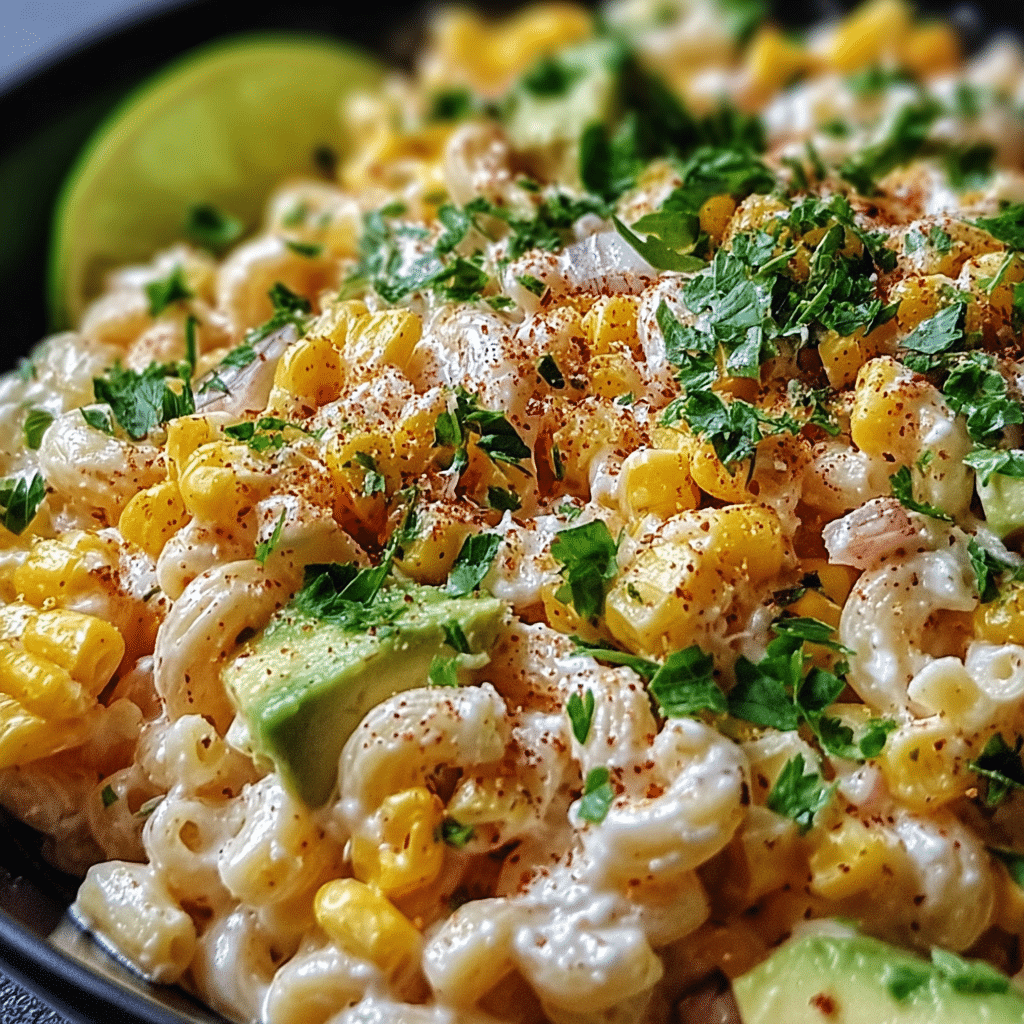
Creamy steak pasta has a way of bringing comfort and joy to the dinner table. I remember the first time I stumbled upon a recipe for creamy steak pasta. It was a chilly evening, and I was rifling through my cookbooks, searching for something that would warm my soul and satisfy my family’s hunger. As I flipped through the pages, the enticing image of a rich, creamy dish adorned with perfectly seared steak caught my eye. The vibrant colors and textures beckoned me, promising a meal that would not only feed our bodies but also nourish our spirits. Little did I know, this dish would soon become a staple in our household.

The first time I made creamy steak pasta, it was a bit of a culinary adventure. I had never attempted to combine steak with pasta in such a luxurious way. As I sautéed the garlic, the aroma filled my kitchen, instantly transporting me to a bustling Italian trattoria. The moment I added the cream and watched it meld with the juices from the steak, I felt like a gourmet chef, creating something truly special. When my family sat down to eat, their faces lit up with delight, and I knew I had discovered a treasure. This recipe wasn’t just another weeknight meal; it had the potential to transform ordinary evenings into extraordinary ones.
The Story Behind This Recipe
Much like any beloved dish, the history of creamy steak pasta is rich and layered. The origins of combining steak with pasta can be traced back to Italy, where pasta dishes are celebrated for their versatility and heartiness. Traditionally, pasta was a staple food in Italian cuisine, often paired with various meats and sauces. The idea of adding a creamy sauce likely emerged from the Northern regions of Italy, where the use of cream in cooking is more prevalent, particularly in dishes like fettuccine Alfredo. As Italian cuisine spread across the globe, it evolved, incorporating local ingredients and flavors, which eventually led to the creation of dishes like creamy steak pasta.
What makes creamy steak pasta particularly special is its ability to adapt to different tastes and preferences. It can be a luxurious dish suitable for special occasions or a quick meal for busy families, making it incredibly versatile. This recipe stands out because it merges the hearty flavors of steak with the comfort of pasta, creating a dish that is both filling and satisfying. For families looking to whip up a delicious dinner without spending hours in the kitchen, creamy steak pasta is a perfect solution. It comes together in under 30 minutes, allowing you to enjoy a homemade meal even on the busiest of weekdays.
Why You’ll Love This Dish
Seasonal relevance plays a significant role in the appeal of creamy steak pasta. While it is delightful any time of year, I particularly love making it during the fall and winter months. The warmth of the dish, combined with the richness of the cream and the savory notes of the steak, makes it an ideal comfort food as the weather turns cooler. It’s a dish that invites you to gather around the table, share stories, and create lasting memories with loved ones.
There’s an undeniable emotional connection to creamy steak pasta, harking back to those cozy family dinners where laughter filled the air, and the aroma of good food enveloped us. Cooking this dish has become a ritual, a way to unwind after a long day and reconnect with my family over a plate of something truly delicious. As you embark on your journey to create creamy steak pasta, I promise you will learn not only how to prepare this delectable dish but also how to infuse it with your own personal touch. You’ll discover tips on selecting the best ingredients, mastering the perfect sauce, and even how to customize it to suit your family’s tastes.
In the following sections, we’ll delve deeper into the rich history of creamy steak pasta, exploring its cultural significance, regional variations, and even its nutritional benefits. Whether you’re a seasoned cook or a kitchen novice, this guide will serve as your go-to resource for everything related to creamy steak pasta. Get ready to elevate your culinary skills and impress your family and friends with this unforgettable dish!
The Rich History and Cultural Significance of creamy steak pasta
The journey of creamy steak pasta is deeply intertwined with the evolution of Italian cuisine. This dish, as we know it today, reflects centuries of culinary traditions, regional influences, and the creative spirit of home cooks and chefs alike. To truly appreciate creamy steak pasta, we must explore its origins and the cultural significance it has garnered over the years.
Origins and History
Historically, pasta has been a cornerstone of Italian cooking, with roots tracing back to ancient civilizations. The earliest forms of pasta were made from simple ingredients like flour and water, shaped into various forms and boiled. Over time, as trade routes expanded, new ingredients such as tomatoes, cheese, and meats were introduced, paving the way for the diverse pasta dishes we enjoy today. The combination of pasta and creamy sauces likely emerged from Northern Italy, particularly in regions like Lombardy and Piedmont, where rich dairy products are abundant.
As creamy sauces became more popular, chefs began to experiment with different flavor profiles. The addition of steak to pasta dishes is a more modern interpretation, reflecting a blend of Italian tradition and contemporary culinary creativity. The idea of pairing protein-rich meats with carbohydrates has been a staple in many cultures, and creamy steak pasta beautifully marries these elements, creating a satisfying meal that has become beloved across the globe.
Cultural Significance
Creamy steak pasta is not just a meal; it represents a gathering of family and friends. In Italian culture, food is often a central aspect of social life. Dishes like creamy steak pasta are typically served during gatherings, celebrations, and family dinners, emphasizing the importance of sharing food and creating memories together. The comfort and richness of this dish resonate with many, offering a taste of home and tradition.
In recent years, the popularity of creamy steak pasta has surged, with chefs and home cooks experimenting with different variations. Whether it’s incorporating seasonal vegetables, using alternative pastas, or adjusting the creaminess to suit dietary preferences, this dish has become a canvas for culinary expression. It’s not uncommon to find creamy steak pasta on the menus of upscale restaurants, showcasing its versatility and appeal.
Nutritional Benefits
While creamy steak pasta is undoubtedly a delicious indulgence, it also offers nutritional benefits that can be enjoyed in moderation. Steak, a primary protein source in this dish, provides essential nutrients such as iron, zinc, and B vitamins, which are vital for overall health. Pairing steak with pasta allows for a balanced meal, as carbohydrates from the pasta provide energy, while the cream adds richness and flavor.
Moreover, by incorporating fresh vegetables such as spinach, mushrooms, or bell peppers into your creamy steak pasta, you can enhance its nutritional profile, adding fiber, vitamins, and minerals. This adaptability makes creamy steak pasta not only a comfort food but also a wholesome meal option for families looking to nourish their bodies. As you embrace the history and cultural significance of this dish, you can also take pride in its nutritional benefits, creating a meal that is both satisfying and healthy.
In conclusion, creamy steak pasta is more than just a dish; it is a celebration of culinary traditions, family connections, and the joy of sharing a meal. As you explore the history, cultural significance, and nutritional benefits of creamy steak pasta, you’ll find yourself inspired to create your own version, adding your unique flair to this timeless recipe. Get ready to savor every bite and create lasting memories around your dinner table.
Essential Ingredients for Perfect creamy steak pasta
When it comes to creating a dish as rich and satisfying as creamy steak pasta, the ingredients you choose play a pivotal role in the final outcome. Let’s dive into the essential ingredients that make this dish a comforting favorite, enhancing both flavor and texture.
Essential Ingredients
- 1 tablespoon olive oil: This acts as the base for searing the steak. Olive oil not only adds flavor but also helps create a gorgeous crust on the meat. For the best flavor, opt for extra virgin olive oil, which is cold-pressed and retains more of its natural antioxidants.
- 2 rump steaks (about 1 lb / 450 g total): Rump steaks are ideal for this dish due to their balance of tenderness and flavor. When selecting your steak, look for marbling – those little flecks of fat in the muscle. They melt during cooking, resulting in a juicier and more flavorful steak.
- Salt and pepper: These are essential for seasoning your steak and pasta. Use kosher salt for seasoning meat as it adheres better to the surface, and freshly cracked black pepper offers a more robust flavor than pre-ground.
- 2 tablespoons butter: Butter adds richness and creaminess to the sauce, enhancing the overall flavor of the dish. For a gourmet touch, consider using European-style butter, which has a higher fat content.
- 2 garlic cloves, finely chopped: Garlic is a flavor powerhouse that adds depth to the creamy sauce. Fresh garlic is always preferable to pre-chopped or powdered versions, as it offers a more pungent and aromatic flavor.
- 1 sprig rosemary: Rosemary brings a fragrant, earthy note to the dish. Fresh herbs are always better, but if you can only find dried, use about a teaspoon. Just remember that dried herbs are more potent, so adjust accordingly.
- 8 oz (250 g) pasta: Choose a pasta type that holds onto the sauce well. Fettuccine or pappardelle are excellent choices for creamy sauces because their flat surfaces catch the sauce beautifully.
- 1 teaspoon Italian seasoning: This blend typically includes herbs like basil, oregano, and thyme, adding an aromatic layer to your creamy steak pasta. You can easily make your own blend if you prefer fresh herbs.
- ½ cup (125 ml) low-sodium chicken stock: Chicken stock adds moisture and depth to the sauce without overwhelming it with salt. Low-sodium options help you control the seasoning better.
- 1 cup (250 ml) heavy cream: This is the star ingredient that transforms your sauce into a luxurious, creamy concoction. Heavy cream has a higher fat content, making it ideal for rich sauces. Avoid substituting with low-fat cream, as it won’t yield the same results.
- ⅓ cup Parmesan, grated: Freshly grated Parmesan adds a nutty flavor and is crucial for the creamy texture of the sauce. Pre-grated options often contain anti-caking agents that can affect the sauce’s consistency, so fresh is best.
- A handful of fresh parsley, roughly chopped: Fresh parsley not only adds a pop of color but also a refreshing contrast to the rich flavors in the dish. Always opt for fresh herbs for the best flavor.
- Salt and freshly ground black pepper to taste: Always adjust seasoning at the end of cooking to ensure that the flavors are balanced and the dish is perfectly seasoned.

Creamy Steak Pasta
Ingredients
For the steak
- 1 tablespoon olive oil
- 2 rump steaks (about 1 lb / 450 g total)
- Salt and pepper
- 2 tablespoons butter
- 2 garlic cloves, finely chopped
- 1 sprig rosemary
For the pasta
- 8 oz (250 g) pasta
- 2 tablespoons butter
- 2 garlic cloves, finely chopped
- 1 teaspoon Italian seasoning
- ½ cup (125 ml) low-sodium chicken stock
- 1 cup (250 ml) heavy cream
- ⅓ cup Parmesan, grated
- A handful of fresh parsley, roughly chopped
- Salt and freshly ground black pepper to taste
Instructions
- Season your rump steaks generously with salt and pepper. Heat olive oil in a large skillet over high heat. Add the steaks and cook for 3-4 minutes per side until you see a brown crust.
- Add the butter, garlic and rosemary sprig to the pan with the steaks and spoon the melted butter over the steaks. Cook until they’re done to your liking. Remove the steaks and let rest for 5 minutes before slicing thinly.
- Bring a large pot of salted water to a boil, then cook your pasta according to package directions until al dente. Reserve 1-2 cups of pasta water before draining the pasta.
- Start making the pasta sauce. Melt the butter in a skillet (it can be the same one you cooked the steak in if it’s big enough).
- Add the chopped garlic and cook for 1 minute over medium-low heat. Stir in the Italian seasoning, then the chicken stock.
- Simmer for 1-2 minutes, then add the heavy cream and continue to simmer for a couple of minutes until the sauce starts to thicken.
- Add the cooked pasta to the pan together with the sliced steak, then stir in the grated Parmesan. Add a bit of the reserved pasta water if the pasta looks too dry.
- Add the chopped parsley and season with salt and pepper to taste.
- Serve the creamy steak pasta immediately, with a bit of extra freshly grated Parmesan on top if you like.
Shopping Tips
When shopping for these ingredients, consider visiting local farmers’ markets or specialty grocery stores. They often carry fresher produce and high-quality cuts of meat. For steaks, ask your butcher for recommendations; they can guide you to the best cuts and even provide tips on cooking methods. If you’re purchasing pasta, look for brands that use durum wheat for optimal texture. Always check the expiration dates on dairy products like cream and butter to ensure freshness.

Substitutions and Alternatives
If you have dietary restrictions or preferences, there are several substitutions you can make without sacrificing flavor. For example, if you’re looking for a healthier option, you could use whole wheat pasta instead of regular pasta. For a dairy-free version, consider using coconut cream or cashew cream in place of heavy cream, and nutritional yeast can be a fantastic substitute for Parmesan. If you’re avoiding animal products entirely, opt for a plant-based steak alternative and vegetable stock instead of chicken stock. Always be mindful of the flavors each substitute brings to the dish, and adjust your seasonings accordingly.
In conclusion, the beauty of creamy steak pasta lies not just in the cooking process but in the quality and selection of ingredients you use. By carefully selecting each component, you can create a dish that is not only delicious but also reflects your personal touch. Happy cooking!
Detailed Step-by-Step creamy steak pasta Cooking Instructions
Cooking creamy steak pasta is an experience filled with tantalizing aromas and satisfying textures. With the right techniques and a clear step-by-step guide, you’ll be able to create a dish that’s not only delicious but also impressive. Let’s walk through the process together!
Preparation Steps
- Gather your ingredients: Before you start cooking, ensure you have all your ingredients on hand. This includes your steak, pasta, butter, cream, stock, and seasonings. Having everything ready will streamline the cooking process.
- Prepare the steak: Take the rump steaks out of the refrigerator and let them come to room temperature for about 30 minutes before cooking. This helps them cook more evenly. Pat them dry with paper towels and season generously with salt and pepper on both sides.
- Chop the garlic and parsley: Finely chop the garlic cloves and roughly chop the parsley. Having these prepped ahead of time will save you from scrambling during the cooking process.
- Measure out other ingredients: Measure out your heavy cream, chicken stock, Italian seasoning, and Parmesan cheese. Having everything ready to go makes it easier to add ingredients at the right moment.
- Boil water for pasta: Fill a large pot with water, add a generous pinch of salt, and bring it to a boil. The salted water enhances the flavor of the pasta as it cooks.
Cooking Process
- Cook the pasta: Once the water is boiling, add the pasta and cook according to package instructions until al dente. This usually takes about 8-10 minutes. Remember to stir occasionally to prevent sticking. Reserve about a cup of pasta water before draining, as it can be used to adjust the sauce’s consistency later.
- Sear the steak: While the pasta is cooking, heat the olive oil in a large skillet over medium-high heat. Once hot, carefully add the seasoned steaks and sear for about 3-4 minutes on each side for medium-rare, or until they reach your desired doneness. Use a meat thermometer to check the internal temperature if you’re unsure (130°F for medium-rare).
- Add flavor: In the last minute of cooking the steak, add 2 tablespoons of butter, chopped garlic, and a sprig of rosemary to the skillet. As the butter melts, spoon it over the steak to infuse it with flavor. This method, known as basting, enhances the steak’s richness.
- Rest the steak: Once cooked, remove the steak from the skillet and place it on a cutting board to rest for at least 5 minutes. This allows the juices to redistribute, making it juicier when cut.
- Make the sauce: In the same skillet, retain the flavorful drippings and add the chicken stock, scraping the bottom of the pan to release any browned bits. Bring it to a simmer, then stir in the heavy cream and Italian seasoning. Allow it to bubble gently for 3-4 minutes until slightly thickened.
Final Assembly
- Add the pasta: Once the sauce has thickened, add the drained pasta to the skillet, tossing it gently to coat in the creamy sauce. If the sauce is too thick, add a splash of reserved pasta water to reach your desired consistency.
- Incorporate the cheese: Stir in the grated Parmesan cheese until melted and well combined. This ingredient is essential for that creamy texture and rich flavor in your creamy steak pasta.
- Slice the steak: While the pasta is absorbing the sauce, slice the rested steak against the grain into thin strips. This technique ensures tenderness in every bite.
- Serve: Plate the creamy steak pasta and top each serving with the sliced steak. Garnish with freshly chopped parsley for a burst of color and freshness. Add extra Parmesan and a sprinkle of black pepper if desired.
- Enjoy: Serve immediately while hot, and enjoy the fruits of your labor! This creamy steak pasta is perfect for a cozy dinner at home or entertaining friends.
Cooking creamy steak pasta is not just about following a recipe; it’s about engaging with the ingredients and enjoying the process. With practice, you’ll develop your own flair and techniques, making this dish uniquely yours. Happy cooking!
Professional Tips and Techniques for creamy steak pasta
When it comes to creating the perfect creamy steak pasta, understanding the nuances of cooking techniques can elevate your dish from ordinary to extraordinary. This isn’t just about following a recipe; it’s about mastering the art of cooking. Whether you’re a novice or an experienced cook, these professional tips and techniques will help you navigate the process with ease.
Professional Techniques
One of the most crucial elements of making creamy steak pasta is the quality of the steak itself. Choose a cut that is well-marbled, like ribeye or sirloin, as the fat will render beautifully during cooking, adding richness to your sauce. Always let your steak come to room temperature before cooking; this ensures even cooking throughout.
When cooking the steak, use a cast-iron skillet if you have one. The heat retention of cast iron allows for a perfect sear, creating a delicious crust that locks in juices. Preheat your skillet until it’s smoking hot before adding the steak. A common mistake is overcrowding the pan, which can cause the meat to steam instead of sear. Cook your steak in batches if necessary.
For that creamy sauce, the secret lies in the ingredients. Heavy cream is a common choice, but you can also experiment with alternatives like mascarpone or a mix of sour cream and Greek yogurt for tanginess. When adding the cream, lower the heat to avoid curdling and stir continuously to achieve a smooth consistency. A splash of pasta water can help to emulsify the sauce, making it cling beautifully to your pasta.
Troubleshooting Guide
Even the most seasoned chefs encounter challenges in the kitchen. One common issue is a sauce that separates. If you notice this happening, it’s often due to cooking the cream at too high a temperature. To fix it, remove the sauce from the heat, add a little more pasta water, and whisk vigorously. This can bring it back together.
If your steak is tough, it might be because it was overcooked. To avoid this, use a meat thermometer to check for doneness. For medium-rare, aim for an internal temperature of 130°F to 135°F. Additionally, always let your steak rest for at least five minutes before slicing; this allows the juices to redistribute, making each bite tender and juicy.
Make-Ahead and Meal Prep Strategies
Creamy steak pasta is a fantastic dish for meal prep. You can cook the steak ahead of time and store it in the refrigerator for up to three days. Reheat gently in a skillet to avoid overcooking. The sauce can also be made in advance; just be sure to add a splash of cream or milk when reheating to restore its creaminess.
For those busy weekdays, you can prepare the pasta and sauce separately. Cook your pasta al dente, as it will continue to cook when mixed with the sauce. Store them in airtight containers and combine them when you’re ready to eat. This way, you can enjoy a gourmet meal without spending hours in the kitchen every night.
Presentation Tips
Presentation can transform your creamy steak pasta from a simple dinner to a restaurant-quality experience. Start by twirling your pasta onto a fork and gently place it in the center of a warm plate. Arrange slices of steak artfully on top, allowing them to cascade down the sides. For a pop of color, sprinkle fresh herbs like parsley or basil over the dish. A drizzle of high-quality olive oil or balsamic reduction can add visual appeal and enhance the flavor profile.
Don’t forget about the garnishes! A sprinkle of freshly grated Parmesan cheese or a few cracked black peppercorns can elevate the look and taste of your dish. Serve it alongside a simple green salad and a glass of red wine, and you have a meal that looks as good as it tastes.
Wine and Beverage Pairings
Pairing wine with creamy steak pasta can enhance your dining experience. A full-bodied red wine like Cabernet Sauvignon or Malbec complements the rich flavors of the steak beautifully. If you prefer white wine, a creamy Chardonnay can also work well, balancing the richness of the sauce. For non-alcoholic options, consider a sparkling water with a slice of lemon or a homemade lemonade to cleanse the palate between bites.
With these professional tips and techniques for creamy steak pasta, you can create a dish that not only tastes incredible but also impresses your family and friends. Cooking is an adventure, and with each meal, you’ll learn something new that will make your next culinary experience even better.
Creative Variations and Adaptations of creamy steak pasta
Creamy steak pasta is a versatile dish that lends itself to a myriad of creative variations and adaptations. Whether you’re looking to impress guests or simply want to spice things up in the kitchen, these ideas will inspire you to put your own twist on this classic recipe.
Seasonal Variations
As the seasons change, so do the ingredients available to us. In the spring, consider adding fresh asparagus or peas to your creamy steak pasta. The bright green vegetables not only add a pop of color but also a fresh flavor that complements the richness of the sauce. In the summer, cherry tomatoes can be roasted and tossed into the mix, providing a sweet contrast to the savory steak.
In the fall, mushrooms like cremini or shiitake can be sautéed and added for an earthy depth. Finally, during winter, incorporate root vegetables like carrots or butternut squash for a heartier meal. These seasonal ingredient swaps not only enhance the flavor but also keep your dish interesting year-round.
Dietary Adaptations
For those with dietary restrictions, creamy steak pasta can easily be modified. If you’re following a keto diet, swap traditional pasta for zucchini noodles or spaghetti squash. The creamy sauce can be thickened with cream cheese or almond milk for a low-carb version. If you’re vegan, consider using plant-based steak alternatives made from jackfruit or mushrooms, and replace the heavy cream with coconut milk or cashew cream.
For gluten-free options, choose gluten-free pasta made from rice or quinoa. Many brands offer delicious alternatives that retain that comforting pasta texture. When it comes to spices, feel free to adjust the heat levels to suit your preference; a pinch of red pepper flakes can add a nice kick, while fresh herbs can bring brightness to the dish.
Creative Twists
Thinking outside the box can lead to some delightful culinary surprises. For an international fusion, try adding a dash of soy sauce and sesame oil for an Asian-inspired creamy steak pasta. This combination delivers a unique umami flavor that pairs beautifully with the steak.
If you’re feeling adventurous, experiment with different cooking methods. Instead of sautéing the steak in a skillet, try grilling it for a smoky flavor. You can also use a slow cooker to prepare a creamy steak sauce, allowing the flavors to meld together over several hours. This method works particularly well for tougher cuts of meat, which become tender and flavorful.

Leftover creamy steak pasta can transform into a new dish. Consider turning it into a creamy pasta bake by layering it with cheese and baking until golden and bubbly. You could also repurpose it into a creamy soup by adding broth and blending it for a comforting bowl of goodness.
With these creative variations and adaptations, creamy steak pasta becomes a canvas for your culinary imagination. Each twist tells a story and reflects your personal taste, making every meal a unique experience. Whether you choose to stick to the classic recipe or explore new flavors, this dish is sure to bring joy to your table.
Storage, Reheating, and Meal Prep for creamy steak pasta
Storing your creamy steak pasta properly is essential to maintaining its delicious flavor and creamy texture for future meals. Whether you have leftover pasta from a dinner party or you’re preparing meals in advance for a busy week, understanding the best practices for storing, reheating, and meal prepping this dish will not only save you time but also ensure that you enjoy every bite just as much as the first time.
Short-term Storage
After cooking your creamy steak pasta, you may not finish it all in one sitting. In such cases, short-term storage becomes crucial. Once your pasta has cooled down to room temperature, transfer it to an airtight container. This helps to prevent moisture loss and protects your dish from absorbing any unwanted odors from the refrigerator. Ideally, you should consume your creamy steak pasta within 3-4 days when stored in the refrigerator.
If you’re planning to enjoy your leftovers later in the week, consider portioning out your creamy steak pasta into smaller containers. This not only makes it easier to grab a meal on the go but also minimizes the number of times the entire dish is exposed to air when you open the container. It’s a simple yet effective way to maintain freshness and texture.
Freezing and Long-term Storage
For those who want to save their creamy steak pasta for longer, freezing is a fantastic option. Freezing can extend the shelf life of your dish significantly, allowing you to enjoy it up to 2-3 months later. To freeze your creamy steak pasta, follow these steps:
- Cool the pasta: Allow your creamy steak pasta to cool completely. This is crucial because placing hot food directly into the freezer can raise the temperature inside, potentially leading to freezer burn on other items.
- Use freezer-safe containers: When selecting a container for freezing, opt for heavy-duty freezer bags or airtight containers that are specifically designed for freezing. Avoid using regular plastic storage containers as they may crack or warp in the freezer.
- Portion it out: Just like with short-term storage, portioning your pasta makes it easier to defrost only what you need. You can freeze individual servings or family-sized portions, depending on your needs.
- Label and date: Don’t forget to label your containers or bags with the name of the dish and the date it was frozen. This practice helps you keep track of what you have and prevents the dreaded mystery meal syndrome.
When ready to eat, simply transfer the frozen creamy steak pasta to the refrigerator the night before to allow it to thaw, or use the microwave’s defrost setting for a quicker option. While freezing is a great long-term solution, keep in mind that some creamy sauces can change texture when frozen. To counter this, consider adding a splash of cream or milk during reheating to restore creaminess.
Reheating Best Practices
Reheating your creamy steak pasta requires care to maintain its rich flavors and creamy texture. Here are some methods to ensure a delightful eating experience:
- Microwave: If you choose to use a microwave, place your creamy steak pasta in a microwave-safe dish. Add a splash of water or broth to keep it moist, and cover it with a microwave-safe lid or plastic wrap to trap steam. Heat on medium power in 1-minute intervals, stirring in between, until it is heated through.
- Stovetop: This method is often preferred as it allows for better control over the heating process. In a skillet, add a little olive oil or butter and the creamy steak pasta. Heat on low to medium heat, stirring frequently to prevent sticking. Add a splash of cream or milk as necessary to revive the sauce’s creaminess.
- Oven: For larger portions, the oven is a great option. Preheat your oven to 350°F (175°C), place your creamy steak pasta in an oven-safe dish, cover with foil to retain moisture, and heat for about 20-25 minutes or until thoroughly warmed.
Regardless of the reheating method you choose, always check that the pasta is heated to an internal temperature of 165°F (74°C) for safety. This is especially important if it has been stored for a few days.
Meal Prep and Batch Cooking Strategies
Meal prepping is a fantastic way to save time and ensure you have delicious meals ready to go. When preparing creamy steak pasta for meal prep, consider these strategies:
- Cook in batches: Prepare a large batch of creamy steak pasta and divide it into individual portions. This allows you to have a delicious meal ready when time is short.
- Consider sauce separation: If you’re planning to store your creamy steak pasta for more than a day or two, consider storing the sauce separately. This prevents the pasta from soaking up too much sauce and losing its texture.
- Use versatile ingredients: Incorporate vegetables or proteins that can change throughout the week. For example, adding spinach or mushrooms can enhance the nutritional value and flavor of your creamy steak pasta without compromising its base ingredients.
Meal prepping not only saves you time but can also help you stick to a healthier eating routine. By having your creamy steak pasta ready to go, you’re less likely to reach for less healthy options when hunger strikes.
Food Safety Considerations and Guidelines
When it comes to food safety, it’s important to follow basic guidelines to avoid foodborne illnesses. Always ensure your creamy steak pasta is cooled before refrigeration or freezing. Additionally, be mindful of the two-hour rule: food should not sit out at room temperature for longer than two hours to prevent bacterial growth.
When reheating, always check your food’s temperature with a food thermometer to ensure it reaches at least 165°F (74°C). Finally, do not refreeze food that has been thawed, as this can compromise its safety and quality.
By following these storage, reheating, and meal prep strategies, you can enjoy your creamy steak pasta in various ways without sacrificing flavor or quality. Whether you’re whipping up a quick weeknight dinner or planning for a busy week ahead, knowing how to store and reheat this delicious dish will keep it a staple in your culinary repertoire.
Nutritional Benefits and Health Information
When indulging in a comforting bowl of creamy steak pasta, you might not immediately think of its nutritional value. However, understanding the nutritional benefits of this dish can enhance your appreciation for it and help you enjoy it guilt-free. From protein-packed steak to the creamy sauce that envelops every bite, let’s take a closer look at the nutritional profile of creamy steak pasta and how it fits into a balanced diet.
Nutritional Profile
The nutritional content of creamy steak pasta can vary based on the ingredients used and portion sizes, but a typical serving (about 1 cup) generally contains:
- Calories: Approximately 600-800 calories, depending on the amount of cream and cheese used.
- Protein: Around 25-35 grams, primarily from the steak and any cheese included.
- Carbohydrates: Roughly 60-80 grams, mainly from the pasta.
- Fats: About 25-40 grams, largely from the cream and any butter used in the sauce.
This dish is particularly high in protein due to the steak, which is essential for muscle repair and growth. The carbohydrates from the pasta provide energy, making this dish a satisfying option after a workout or a long day.
Health Benefits
Let’s dive deeper into the health benefits of the key ingredients that make up creamy steak pasta:
- Steak: Rich in high-quality protein, steak provides essential amino acids necessary for muscle growth and repair. It’s also an excellent source of iron, which is vital for oxygen transport in the blood, and zinc, which supports immune function.
- Pasta: Especially if you opt for whole grain or whole wheat pasta, it can provide additional fiber, which aids in digestion and helps keep you feeling full longer. Fiber is key to maintaining healthy cholesterol levels and regulating blood sugar.
- Cream and Cheese: While these ingredients contribute to the rich, creamy texture, they also provide calcium and vitamin D, which are important for bone health. Opting for healthier cream varieties, like reduced-fat options, can help lower calorie content without sacrificing flavor.
Including creamy steak pasta in moderation can be part of a healthy diet, especially if you balance it out with plenty of vegetables and other nutrient-dense foods.
Dietary Considerations
When it comes to dietary considerations, creamy steak pasta may not be suitable for everyone. Here are some factors to keep in mind:
- Allergies: If you have a dairy allergy, the creamy sauce and cheese in this dish will need to be modified or replaced with dairy-free alternatives. The same goes for gluten; using gluten-free pasta is an easy swap for those with gluten sensitivities.
- Caloric Intake: For those watching their caloric intake, creamy steak pasta can be quite rich. Consider enjoying smaller portions or pairing it with a side salad to add volume without adding too many calories.
- Dietary Preferences: Vegetarians or vegans can adapt this dish by using plant-based proteins such as tofu or tempeh and using vegan cream alternatives.
Understanding these considerations allows you to enjoy creamy steak pasta while adhering to your dietary needs.
Healthy Modification Suggestions
There are several ways to lighten up creamy steak pasta without losing its rich flavor:
- Use lean cuts of steak: Opt for sirloin or flank steak instead of fattier cuts like ribeye to reduce overall fat content.
- Add vegetables: Incorporate veggies like spinach, mushrooms, or bell peppers into your creamy steak pasta to boost its nutritional content and add fiber.
- Substitute cream: Replace heavy cream with Greek yogurt or a plant-based cream alternative to lower calories and fat while still achieving creaminess.
These modifications can help make creamy steak pasta a more nutritious option without sacrificing the indulgent experience it offers.
In conclusion, creamy steak pasta is not only a comforting dish but also one that can fit into a balanced diet with proper modifications. Understanding its nutritional profile, health benefits, and dietary considerations allows you to enjoy this dish fully without compromise. So the next time you serve up a bowl of creamy steak pasta, you can relish its flavors while feeling good about what you’re eating.
Conclusion: Mastering the Perfect creamy steak pasta
Creating the perfect creamy steak pasta is more than just following a recipe—it’s about understanding the techniques, ingredients, and cultural significance behind this beloved dish. Throughout this comprehensive guide, we’ve explored everything from the historical origins to modern variations, ensuring you have all the knowledge needed to make this recipe your own.
Whether you’re a beginner cook or an experienced chef, the techniques and tips we’ve shared will help you create a creamy steak pasta that’s not only delicious but also meaningful. Remember that cooking is a journey of discovery, and each time you make this dish, you’ll learn something new.
We encourage you to experiment with the variations we’ve discussed, adapt the recipe to your dietary needs, and most importantly, share it with the people you love. Food has the incredible power to bring people together, and Creamy Steak Pasta is the perfect dish to create lasting memories around your dinner table.