Meatball sub, a delightful and hearty sandwich, has a way of beckoning you with its warm, aromatic sauce and melted cheese. My first encounter with this comforting dish was during a bustling Saturday at a local Italian deli. I remember the air filled with the tempting scent of baked bread, simmering marinara, and the unmistakable richness of spices wafting through the air. As I watched the deli owner expertly assemble the sandwich – a soft, crusty roll cradling juicy meatballs topped with vibrant red sauce and gooey mozzarella – I felt an irresistible pull. That moment marked the beginning of my love affair with the meatball sub.

Growing up in a family that cherished traditional recipes, I quickly learned how to put together my version of this classic dish. It became a staple in our household, especially on busy weeknights when everyone was racing to get home from work or school. The meatball sub is more than just a meal; it symbolizes togetherness and comfort during those hectic days. I fondly recall my mother whipping up a batch of meatballs while my siblings and I set the table, the anticipation building as we waited for dinner. Each bite was a reminder of home, of love, and of shared moments.
The Story Behind This Recipe
The cultural roots of the meatball sub can be traced back to Italian immigrants who brought their culinary traditions to America. In the late 19th and early 20th centuries, as Italians settled in various parts of the United States, they began adapting their recipes to incorporate local ingredients. The meatball sub, or “meatball hoagie” as it’s sometimes known, emerged as a way to showcase flavorful meatballs, typically made from a blend of ground beef and pork, simmered in rich marinara sauce. Served on a long, crusty roll, this dish quickly became synonymous with comfort food.
What sets the meatball sub apart from other sandwiches is its unique combination of flavors and textures. The meatballs, seasoned to perfection and bathed in savory tomato sauce, provide a hearty base, while the crusty roll adds a satisfying crunch. Topping it off with melted cheese brings a creamy richness that ties everything together. This sandwich manages to be both indulgent and satisfying, making it a favorite among food enthusiasts and families alike.
For busy families seeking quick dinner solutions, the meatball sub is nothing short of a miracle. It can be prepared in advance, allowing you to whip it up in just minutes when hunger strikes. Whether you choose to make homemade meatballs or opt for store-bought ones, the assembly is simple: layer the meatballs in the bread, slather on the sauce, sprinkle with cheese, and bake until bubbly. It’s a meal that pleases even the pickiest of eaters and can be customized to suit individual preferences.
As the seasons change, the meatball sub remains a versatile dish that can be enjoyed year-round. In the colder months, it provides warmth and comfort, while in the summer, it can be paired with a fresh salad or grilled vegetables for a lighter meal. It’s the perfect dish for gatherings, game nights, or simply a cozy family dinner on a weekday.
Emotionally, the meatball sub holds a special place in my heart. It evokes memories of laughter and storytelling around the dinner table, of hands reaching for a piece of bread, and of shared conversations over delicious food. Each time I prepare or indulge in a meatball sub, I’m reminded of those cherished moments, making each bite even more satisfying.
In this guide, you will learn everything you need to know about the meatball sub, from its rich history and cultural significance to how to create your own version at home. We’ll explore various recipes, tips for perfecting your meatballs, and suggestions for pairing and serving. So grab your apron and get ready to dive into the world of meatball subs!
The Rich History and Cultural Significance of meatball sub
The meatball sub has a rich history that intertwines with the stories of countless Italian immigrants who made their way to the United States in search of a better life. The origins of this beloved sandwich can be traced back to the traditional Italian meatball, which has been a staple in Italian cuisine for centuries. Made from a combination of meats, breadcrumbs, and spices, Italian meatballs were often served as a main dish or as part of pasta dishes. However, when Italian immigrants began to settle in cities like New York and Philadelphia, they sought new ways to adapt their culinary traditions to suit their new environment.
Origins and History
The meatball sub, or “meatball sandwich,” became popular in the early to mid-20th century as Italian-American cuisine began to flourish. The sandwich is believed to have originated in Philadelphia, where local delis and sandwich shops began serving meatballs on long rolls, topped with marinara sauce and cheese. This innovation allowed busy workers to enjoy a hearty meal on the go and quickly gained popularity among the local community.
As the years went by, the meatball sub became a symbol of Italian-American culture. It was often served at family gatherings, picnics, and celebrations, solidifying its place as a comfort food loved by many. The combination of flavors – spicy meatballs, tangy tomato sauce, and gooey cheese – created a satisfying experience that resonated with people from all walks of life. Over time, variations emerged, leading to different interpretations of the meatball sub across the country.
Cultural Significance
The meatball sub is not just a delicious sandwich; it holds cultural significance within the Italian-American community. It is often associated with family gatherings and celebrations, where the act of preparing and sharing food brings loved ones together. The dish is frequently served at events such as Super Bowl parties, holiday gatherings, and summer barbecues, making it a staple in American cuisine. Its ability to evoke feelings of nostalgia and comfort makes it a cherished dish, often passed down through generations.
In recent years, the meatball sub has gained recognition beyond the Italian-American community. It has appeared on menus across the country, from gourmet restaurants to food trucks, showcasing its versatility and appeal. Chefs have begun experimenting with different types of meat, sauces, and toppings, giving rise to a variety of regional adaptations. For instance, some variations include barbecue meatball subs, buffalo chicken meatball subs, or even vegetarian options made with lentils and mushrooms.
Nutritional Benefits
Beyond its deliciousness, the meatball sub also offers nutritional benefits when prepared thoughtfully. The primary component, meatballs, can be made with lean meats, such as turkey or chicken, which provide protein without excessive fat. When combined with whole grain rolls, the sandwich can offer fiber and essential nutrients. Additionally, incorporating vegetables into the meatball mixture, such as grated zucchini or spinach, can enhance its nutritional profile while adding moisture and flavor.
The marinara sauce, typically made from tomatoes, garlic, and herbs, is rich in antioxidants and vitamins, particularly vitamin C and lycopene. When paired with a fresh salad or vegetables on the side, the meatball sub can be transformed into a well-rounded meal that satisfies both the taste buds and nutritional needs.
In conclusion, the meatball sub is not only a delicious sandwich but also a dish steeped in history and cultural significance. Its evolution from a simple Italian meatball to a beloved American classic showcases the richness of culinary traditions. As you explore the world of meatball subs, you’ll discover the joy of crafting this comforting dish in your own kitchen, where it can continue to bring family and friends together for years to come.
Essential Ingredients for Perfect meatball sub
When it comes to creating the perfect meatball sub, the magic truly lies in the ingredients. Each component of this mouth-watering sandwich plays a crucial role in developing flavors, textures, and overall satisfaction. Let’s dive into the essential ingredients that will elevate your meatball sub to legendary status.
Essential Ingredients
- 1 pound (454g) ground beef: The backbone of your meatballs, ground beef provides a juicy, rich flavor. Opt for a blend with some fat content (around 80/20) to ensure your meatballs remain moist and tender.
- 1 pound (454g) ground pork: Adding ground pork enhances the meatball’s flavor profile, making it more succulent. Pork has a natural sweetness that balances well with the savory notes of the beef.
- 3 and 1/2 teaspoons garlic powder: This ingredient packs a punch of flavor without needing to chop fresh garlic. It gives the meatballs a savory depth that complements the other ingredients.
- 3 teaspoons onion powder: Like garlic powder, onion powder adds a rich layer of flavor. It melds perfectly with the meat, enhancing its savoriness.
- 2 and 1/2 teaspoons Italian seasoning: A blend of herbs like oregano, basil, and thyme that is quintessential in Italian cuisine. It brings an aromatic freshness that transports your taste buds directly to Italy.
- 2 teaspoons salt: Essential for bringing out the natural flavors of the meat and other ingredients. The right amount of salt can make or break your meatballs.
- 3/4 teaspoon freshly ground black pepper: This adds a subtle heat and enhances the overall flavor. Freshly ground is always recommended for the best taste.
- 2 large eggs: Eggs act as a binder, helping to hold the meatball mixture together while also adding moisture.
- 1 cup (100g) parmesan cheese finely grated: Cheese adds a nutty flavor and helps to keep the meatballs moist. The saltiness of the cheese complements the other ingredients beautifully.
- 1 cup panko breadcrumbs: These Japanese-style breadcrumbs are lighter and fluffier than regular breadcrumbs, providing a better texture that prevents the meatballs from becoming dense.
- 3/4 cup (171ml) water: Water hydrates the breadcrumbs, allowing them to expand and contribute to a tender meatball.
- 1/3 cup (76ml) olive oil: A drizzle of olive oil adds richness and helps with browning, resulting in a delicious crust on your meatballs.
- 8 cloves garlic minced: Fresh garlic delivers a robust flavor that complements the dried garlic powder, infusing the meatballs with aromatic goodness.
- 1/2 teaspoon crushed red pepper flakes: This is optional, but it adds a nice kick to the meatballs, balancing the richness of the meat and cheese.
- 2 28-ounce cans crushed tomatoes with basil: The foundation of your sauce, these canned tomatoes provide a rich, tangy base that is essential for a classic meatball sub.
- 1 and 1/2 teaspoons salt: For the sauce, salt is crucial to enhance the tomato flavor and bring all the elements together.
- 1/2 teaspoon granulated sugar: A touch of sugar balances the acidity of the tomatoes, creating a well-rounded sauce.
- 1 and 1/2 teaspoons Italian seasoning: Additional seasoning for the sauce ensures that every bite is bursting with flavor.
- 1/2 cup fresh basil leaves chopped: Fresh basil adds a vibrant, aromatic quality to the sauce, brightening its flavor.
- 8 crusty sub rolls cut in half: The vessel for your meatballs! A sturdy, crusty roll is essential to hold all the deliciousness without getting soggy.
- 8 ounces provolone cheese shredded: Provolone melts beautifully, adding a creamy texture and flavor that complements the meatballs.
- 6 ounces fontina cheese shredded: Fontina is rich and nutty, providing an exquisite melt that makes your meatball sub indulgent.
- 2 ounces parmesan cheese finely grated: A final sprinkle of parmesan on top of the meatball sub gives it an extra savory punch.
- Fresh basil torn, for garnish, optional: A garnish of fresh basil not only adds a pop of color but also enhances the overall aroma and flavor of the dish.

Meatball Sub
Ingredients
For the Meatballs:
- 1 pound (454g) ground beef
- 1 pound (454) ground pork
- 3 and 1/2 teaspoons garlic powder
- 3 teaspoons onion powder
- 2 and 1/2 teaspoons Italian seasoning
- 2 teaspoons salt
- 3/4 teaspoon freshly ground black pepper
- 2 large eggs
- 1 cup (100g) parmesan cheese finely grated
- 1 cup panko breadcrumbs
- 3/4 cup (171ml) water
For the Sauce:
- 1/3 cup (76ml) olive oil
- 8 cloves garlic minced
- 1/2 teaspoon crushed red pepper flakes
- 2 28 ounce cans crushed tomatoes with basil
- 1 and 1/2 teaspoons salt
- 1/2 teaspoon granulated sugar
- 1 and 1/2 teaspoons Italian seasoning
- 1/2 cup fresh basil leaves chopped
For the Subs:
- 8 crusty sub rolls cut in half
- 8 ounces provolone cheese shredded
- 6 ounces fontina cheese shredded
- 2 ounces parmesan cheese finely grated
- fresh basil torn, for garnish, optional
Instructions
For the Meatballs:
-
Preheat the oven to 425 degrees (F). Line a large baking sheet with parchment paper and set aside.
-
In a large bowl combine ground beef, pork, garlic powder, onion powder, Italian seasoning, black pepper, salt, egg, cheese, and breadcrumbs.
-
Slowly add the water, a few tablespoons at a time, mixing with your hands until everything is just combined. Don’t over mix here or it’ll make the meatballs tough. The mixture should be very moist but still hold its shape when rolled into meatballs.
-
Using an ice cream scoop or large spoon, scoop about two and half tablespoons of meat into your palms and roll it into a ball. Place the ball on the prepared baking sheet. Repeat with all of the meat.
-
Place the baking sheet in the oven to bake for 20 minutes, or until they’re cooked though.
-
While the meatballs bake, make your marinara sauce!
For the Sauce:
-
Heat oil in a medium-sized pan over medium-low heat. Add in the garlic and sauté for one minute, or until the garlic is golden and fragrant. Add the crushed red pepper flakes.
-
Add in the crushed tomatoes, salt, sugar, and seasoning and stir well to combine. Simmer the sauce for at least 15 minutes, stirring occasionally.
-
Stir in basil and cook for 5 more minutes. Season with additional salt and pepper to taste.
-
When meatballs are done cooking, add them to the sauce, stir to coat, use as directed below.
For the Subs:
-
Preheat the oven to broiler. Slice the sub rolls in half, being sure to cut only 3/4 of the way through the roll.
-
Place 5 meatballs into each sub roll. Spoon extra sauce on top of each roll. Then divide the shredded provolone and fontina cheeses evenly on top of rolls.
-
Carefully place the subs onto a baking sheet and place under the broiler until the cheese is melted and gooey and slightly golden brown in some spots. Don’t walk away and keep a close eye here, you don’t want them to burn! If you’re broiler runs hot, put it on the low setting .
-
Remove from heat, sprinkle with basil and parmesan, and serve warm!
Choosing the right ingredients is vital for the success of your meatball sub. When selecting ground meats, look for fresh, high-quality cuts from a reputable butcher or grocery store. For the cheeses, aim for the freshest options available, as they will significantly affect the final dish’s taste. Canned tomatoes should be of good quality; look for those labeled “San Marzano” for the best flavor.
Shopping Tips
When shopping for your ingredients, keep in mind that freshness is key. For ground meats, if possible, ask your butcher to grind the meat for you. This ensures a fresher product. When it comes to herbs and spices, check the expiration dates—fresh spices can elevate your dish immensely.
For the cheeses, visiting a local cheese shop can provide you with better quality and more unique options. Many times, they may offer samples to help you decide which flavors suit your meatball sub best. Don’t hesitate to ask questions about how the cheese was made as well; this can offer insights into the best possible pairing.
Substitutions and Alternatives
If you’re looking for substitutions due to dietary restrictions, there are plenty of options. For instance, if you prefer a leaner meatball, you can use ground turkey or chicken. For a vegetarian version, consider using a mixture of lentils, beans, and grains, combined with the same spices and binders to achieve a similar texture.
For those avoiding gluten, use gluten-free breadcrumbs in place of panko, and make sure to check that the sauces and cheeses are gluten-free as well. Plant-based cheeses are also available if you’re vegan, and can often provide a melt similar to traditional cheeses.
Storage tips for these ingredients are also important. Ground meats should be used within a day or two of purchase or frozen for longer storage. Cheese can be kept in the refrigerator, wrapped tightly to prevent drying out. Fresh herbs like basil should be stored in the fridge in a damp paper towel or can be kept in a glass of water like a bouquet for a few days.
With the right ingredients and some careful planning, your meatball sub will be nothing short of spectacular. Remember, it’s not just about filling a roll with meatballs; it’s about crafting a delightful experience that brings joy to every bite.
Detailed Step-by-Step meatball sub Cooking Instructions
Cooking a meatball sub is not just a culinary task; it’s a delightful journey that promises to fill your kitchen with mouthwatering aromas and create memories that last a lifetime. Whether you’re preparing it for a family dinner, a game day gathering, or just to treat yourself, the step-by-step process is simple yet rewarding. Let’s explore how to turn those essential ingredients into a glorious meatball sub!
Preparation Steps
- Gather Your Ingredients: Start by assembling all your ingredients. It’s important to have everything on hand before you start cooking to streamline the process. This is known as mise en place, which means “everything in its place.”
- Preheat Your Oven: Preheat your oven to 375°F (190°C). This will ensure it’s hot and ready for the meatballs once they’re formed.
- Prepare Your Ingredients: Mince the garlic cloves and chop the fresh basil leaves. Finely grate the parmesan cheese and gather your breadcrumbs. Having everything ready will make the mixing process much smoother.
- Mix the Meat: In a large mixing bowl, combine the ground beef and pork. Using your hands, gently mix the two together, being careful not to overwork the meat, as this can lead to tough meatballs.
- Add Dry Ingredients: Sprinkle the garlic powder, onion powder, Italian seasoning, salt, black pepper, and panko breadcrumbs into the meat mixture. These dry ingredients will infuse the meat with flavor and help achieve the right texture.
- Add Wet Ingredients: Crack the eggs into the bowl and pour in the water and olive oil. Gently mix until everything is just combined. Overmixing can lead to dense meatballs, so be cautious.
- Add Cheese and Garlic: Fold in the grated parmesan and minced garlic, ensuring they are evenly distributed throughout the mixture.
- Form the Meatballs: Using a cookie scoop or your hands, portion out the meat mixture into equal-sized balls (about 1-1.5 inches in diameter). Place them on a baking sheet lined with parchment paper to make for easier cleanup later.
Cooking Process
- Bake the Meatballs: Place the baking sheet in the preheated oven and bake the meatballs for 20-25 minutes or until they are golden brown and cooked through. You can use a meat thermometer; the internal temperature should reach 160°F (70°C).
- Prepare the Sauce: While the meatballs are baking, it’s time to prepare the sauce. In a large saucepan over medium heat, add a splash of olive oil and sauté the crushed garlic until fragrant (about 1 minute).
- Add Tomatoes: Pour in the crushed tomatoes, salt, sugar, and Italian seasoning. Stir to combine and let simmer for about 10 minutes, allowing the flavors to meld together. The aroma at this stage will be heavenly!
- Finish the Sauce: After simmering, stir in the chopped fresh basil and allow the sauce to cook for an additional 5 minutes. This final touch of basil brightens the sauce and adds a fresh flavor.
- Combine Meatballs with Sauce: Once the meatballs are done baking, carefully add them to the sauce, ensuring they are well-coated. Allow them to simmer together for a few minutes to soak up the sauce’s flavors.
Final Assembly
- Prepare the Sub Rolls: While the meatballs are simmering, cut your sub rolls in half. If you like, you can lightly toast them in the oven for a few minutes to add some crunch.
- Add Meatballs to Rolls: Using tongs, place a generous amount of meatballs and sauce onto each roll. Don’t be shy; this is where the magic happens!
- Add Cheese: Sprinkle the shredded provolone and fontina cheese generously over the meatballs. This melty goodness will take your meatball sub to the next level.
- Bake to Melt: Place the assembled subs back in the oven for 5-10 minutes or until the cheese is bubbly and golden. Keep an eye on them to prevent burning.
- Garnish and Serve: Remove the meatball subs from the oven and garnish with torn fresh basil, if desired. Serve immediately while they’re piping hot and enjoy the fruits of your labor!
Throughout the cooking process, remember to trust your senses—let the aroma guide you, and don’t hesitate to adjust seasoning as you go. Timing is crucial; while the meatballs bake, keep an eye on your sauce and rolls to ensure everything is perfectly synchronized. With a cooking time of around 30 minutes, this meatball sub recipe is not only quick but also a crowd-pleaser that will leave your friends and family asking for seconds. So roll up your sleeves and dive into this delicious culinary adventure!
Professional Tips and Techniques for meatball sub
The meatball sub is one of those iconic sandwiches that evokes feelings of warmth and comfort. It’s the kind of meal that fills your belly and soul, making it a favorite for family dinners and casual get-togethers alike. As someone who has spent countless weekends perfecting my meatball sub recipe, I’ve gathered some professional tips and techniques that can elevate your sandwich game. Let’s dive into the world of meatball subs and explore how to make them perfect, whether you’re a novice cook or an experienced chef.
Professional Techniques
When it comes to crafting the perfect meatball sub, the foundation is in the meatballs themselves. The first secret to achieving that ideal texture and flavor lies in the meat blend. I recommend a combination of ground beef and pork for a juicy and flavorful meatball. The pork adds moisture, while the beef provides a robust flavor. Some chefs also incorporate ground veal for an even more tender meatball. Remember to use a mix of fatty cuts and lean cuts; an 80/20 beef-to-fat ratio works wonders.
Another technique that I swear by is the use of breadcrumbs soaked in milk. This simple step helps to keep the meatballs moist. Instead of just throwing dry breadcrumbs into the mixture, combine them with milk and let them soak for about 10 minutes before mixing them in with your meat. This helps prevent dry, crumbly meatballs, ensuring that each bite is juicy and satisfying.
Don’t forget to season your meatball mixture well. A mix of garlic, onion, Italian herbs, salt, and pepper is classic, but feel free to experiment with spices that excite your palate. Fresh herbs can add a burst of flavor, while a pinch of red pepper flakes can provide a nice kick.
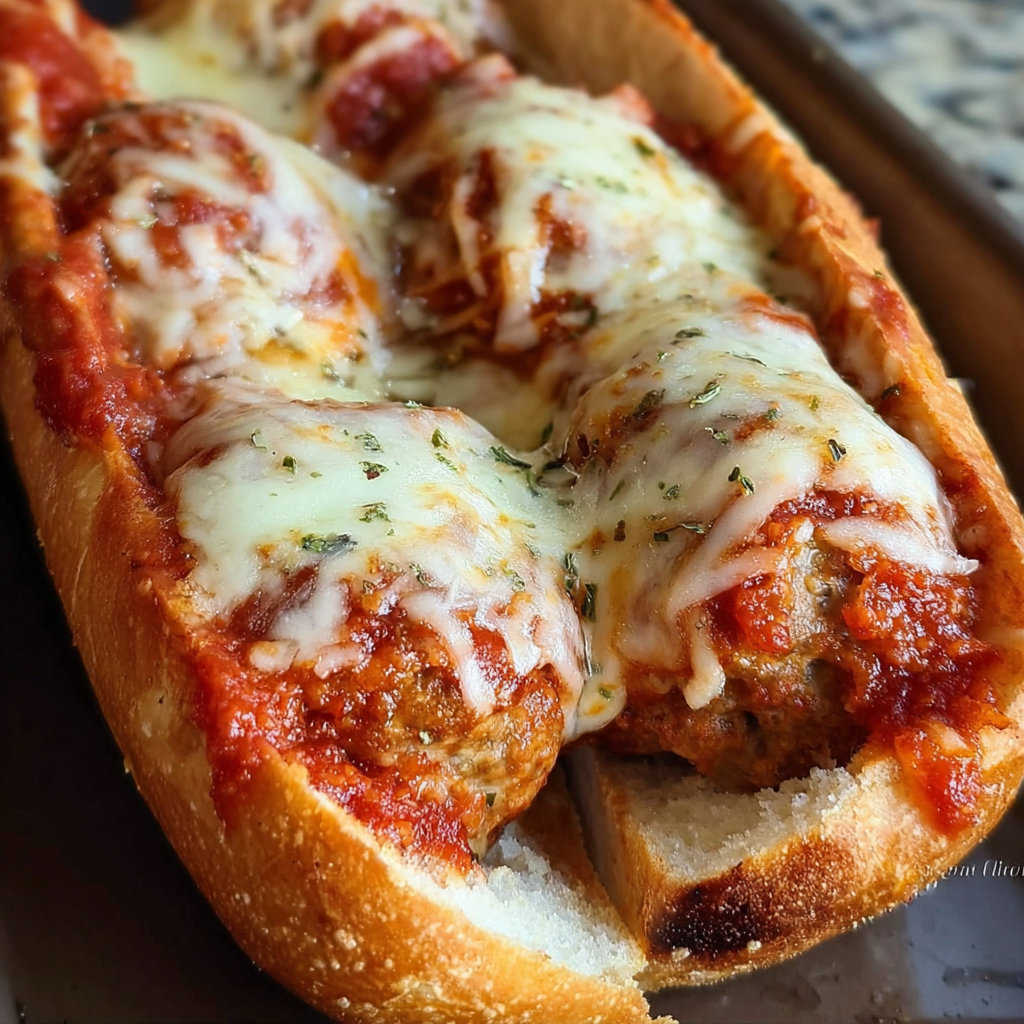
Troubleshooting Guide
Even with the best techniques, things can go wrong in the kitchen. One common issue is meatballs falling apart during cooking. If you encounter this, it might be because the mixture is too dry or lacking in binding agents. Adding an egg can help bind the meat together, while more breadcrumbs or cheese can also lend a hand.
If your meatballs are turning out too dense, it’s likely that you’ve overworked the mixture. Treat the meat gently when combining the ingredients; you want to mix just enough to incorporate everything without overdoing it. Aim for a light touch, almost as if you’re folding the ingredients together.
Lastly, if your meatballs are burning on the outside before they’re cooked through, try lowering the heat or adjusting the cooking method. Baking them at a lower temperature can help achieve even cooking without burning, or consider using a slow cooker for a set-it-and-forget-it approach.
Presentation Tips
Once you’ve perfected your meatball sub, it’s time to think about presentation. A well-plated sandwich can elevate the dining experience from ordinary to extraordinary. Start by choosing the right bread; a soft hoagie roll or a crusty sub roll is ideal. Toasting the bread adds a delightful crunch that contrasts beautifully with the soft meatballs.
When assembling your meatball sub, layer the ingredients thoughtfully. Begin with a generous spoonful of marinara sauce on the bottom of the roll, followed by the meatballs. Add more sauce on top and finish with a sprinkle of freshly grated Parmesan or mozzarella cheese. If you’re feeling adventurous, add fresh basil leaves or a drizzle of balsamic reduction for an extra layer of flavor.
Pair your meatball sub with a side of crispy fries or a fresh salad to complete the meal. Wine lovers can enjoy a glass of Chianti or a bold Zinfandel, which complements the richness of the meat and the acidity of the marinara sauce beautifully. If you prefer beer, a light lager or a hoppy IPA can balance the flavors perfectly.
In summary, crafting the perfect meatball sub requires attention to detail and a willingness to experiment. With the right techniques and a bit of creativity, you can create a sandwich that not only satisfies your hunger but also brings joy to your dining experiences. Embrace the process, and soon you’ll be known as the meatball sub aficionado in your circle!
Creative Variations and Adaptations of meatball sub
The classic meatball sub is undoubtedly delicious, but it’s also a canvas for creativity. As I’ve explored different variations over the years, I’ve come to appreciate how versatile this sandwich can be. From seasonal twists to dietary adaptations, the meatball sub can cater to a variety of tastes and preferences. Let’s explore some creative variations and adaptations that can breathe new life into this beloved dish.
Seasonal Variations
One of the joys of cooking is using seasonal ingredients to create fresh flavors. In the summer, consider adding grilled vegetables to your meatball sub. Slices of zucchini, bell peppers, and eggplant can be marinated and grilled to bring out their natural sweetness. Layer these veggies alongside the meatballs for a delightful crunch and an extra burst of flavor.
As autumn rolls around, why not incorporate seasonal ingredients like pumpkin? Pumpkin puree can be mixed into your meatball mixture for a subtle sweetness and a wonderful texture. Pair it with a sage-infused marinara sauce to enhance the seasonal feel. Top it off with a sprinkle of toasted pumpkin seeds for added crunch!
In winter, consider a heartier sauce, perhaps a rich mushroom gravy, to accompany your meatballs. This can transform your sub into a comforting meal perfect for chilly evenings. You could even swap the traditional roll for a crusty baguette or ciabatta to hold up against the robust flavors.
Dietary Adaptations
In today’s world, dietary preferences play a significant role in meal planning. If you’re looking for a keto-friendly version of the meatball sub, consider using zucchini noodles or lettuce wraps instead of traditional bread. This not only lowers the carb count but also adds a fresh crunch to your meal. Additionally, use almond flour instead of breadcrumbs in the meatballs for a low-carb twist.
For those following a vegan lifestyle, there are plenty of delicious adaptations available. Lentils or chickpeas can serve as a fantastic base for meatballs. Combine them with breadcrumbs, spices, and a binding agent like flaxseed meal mixed with water to create a satisfying alternative. Top with a homemade marinara sauce made from fresh tomatoes, garlic, and herbs, and you’ll have a meatball sub that’s completely plant-based yet bursting with flavor.
If gluten is a concern, opt for gluten-free breadcrumbs or even quinoa in your meatballs. This not only keeps the dish gluten-free but also adds a nutty flavor and texture that is quite enjoyable.
Creative Twists
For those who love to push culinary boundaries, international fusion variations of the meatball sub can be a fun adventure. Imagine a meatball sub infused with flavors of the Mediterranean, using lamb meatballs seasoned with cumin, coriander, and mint, served with tzatziki sauce and topped with pickled red onions. The contrast of spices can turn your meatball sub into a delightful culinary journey.
Alternatively, consider a barbecue meatball sub. By mixing barbecue sauce into the meatball mixture and serving it with a tangy slaw, you can create a sandwich that’s perfect for summer picnics or gatherings. The sweet and smoky flavors will appeal to anyone who enjoys classic barbecue fare.
Another exciting variation is the Asian-inspired meatball sub. Incorporate ginger, scallions, and sesame oil into your meatball mixture. Serve the meatballs in a soft bun with a drizzle of hoisin sauce and a sprinkle of sesame seeds. Adding pickled cucumbers or a slaw made from napa cabbage can introduce a refreshing crunch.
Lastly, don’t forget about leftover meatballs! Repurpose them into a hearty pasta dish, or chop them up and mix with scrambled eggs for a delicious breakfast burrito. The possibilities are endless, and that’s what makes the meatball sub such a beloved dish in my home.
In conclusion, the meatball sub is not just a sandwich; it’s an opportunity for creativity and personal expression in the kitchen. Whether you stick to the classic recipe or venture into new territories with seasonal ingredients and dietary adaptations, there’s a meatball sub out there for everyone. So roll up your sleeves, gather your ingredients, and let your culinary imagination run wild!
Storage, Reheating, and Meal Prep for meatball sub
The delicious meatball sub is a beloved comfort food that can be enjoyed in many settings, whether it’s a casual family dinner or a game-day feast. However, understanding how to store, reheat, and prepare these tasty sandwiches can elevate your dining experience and minimize food waste. In this section, we’ll delve into the best practices for storing your meatball sub, how to reheat it for optimal taste and texture, and tips for meal prepping, ensuring you always have this delightful dish ready to go.
Short-term Storage
Once you’ve devoured half of your meatball sub and are left with delicious leftovers, it’s crucial to store them correctly to maintain their flavor and texture. The first step is to separate the components of your meatball sub if possible. This means taking the meatballs and sauce out of the bread. Storing them separately helps prevent the bread from becoming soggy.
For short-term storage, you should use airtight containers to keep your meatball sub fresh in the refrigerator. Glass or plastic containers with tight-fitting lids are excellent choices. If you have leftover meatballs and sauce, place them in one container, and the bread in another. Make sure to let everything cool to room temperature before sealing them up. This helps avoid condensation, which can lead to sogginess and spoilage.
Your meatball sub leftovers will typically last for 3 to 4 days in the refrigerator when stored properly. Be sure to label your containers with the date you stored them, so you can keep track of their freshness. If you notice any off smells or visible signs of spoilage, it’s best to err on the side of caution and discard them.
Freezing and Long-term Storage
If you find yourself with an abundance of meatball sub leftovers, freezing is an excellent option for long-term storage. The key to freezing successfully is to ensure that the components are separated again. Start by wrapping the meatballs individually in plastic wrap or aluminum foil, then place them in a freezer-safe bag or container. This helps maintain their shape and prevents freezer burn.
For the sauce, pour it into an airtight container or a freezer-safe bag, squeezing out as much air as possible to prevent freezer burn. The bread can also be frozen, but it’s best to wrap it tightly in plastic wrap and then in aluminum foil to protect it from the cold air.
When properly stored, meatball subs can last in the freezer for about 3 to 4 months without losing too much quality. However, for the best flavor and texture, aim to consume them within a month or two. Always label your containers with the contents and the date, so you know what you have on hand.
Reheating Best Practices
Reheating your meatball sub correctly is key to enjoying it just as much as the first time! The microwave is the quickest method, but it can lead to a soggy bread texture. Instead, consider using the oven or even an air fryer for the best results.
For oven reheating, preheat your oven to 350°F (175°C). Wrap the meatballs and sauce in aluminum foil to keep moisture in and heat them for about 10-15 minutes, depending on the amount. For the bread, you can place it directly on the oven rack for a few minutes to crisp it up.
If you’re using an air fryer, set it to 350°F (175°C) and heat the meatballs and sauce for about 5-7 minutes, checking frequently to avoid overcooking. The bread can be toasted in the air fryer for a couple of minutes to achieve that crispy texture. This method not only warms your leftovers but also revitalizes the sandwich, making it taste freshly made!
When reheating, always check the internal temperature of the meatballs; they should reach at least 165°F (74°C) to ensure food safety. If you’re unsure, using a food thermometer can help you avoid any foodborne illnesses.
Meal prepping meatball subs can also be a game changer. Pre-cook your meatballs and sauce, then store them in separate containers. When you’re ready to eat, simply heat the meatballs and sauce, toast your sub rolls, and assemble your sandwich. This method not only saves time but also allows you to control the ingredients going into your meal.
Food safety is essential when storing and reheating your meatball sub. Always cool leftovers promptly and store them in the refrigerator or freezer within two hours of cooking. Keep an eye on the shelf life; if you’re ever in doubt about the freshness of your food, it’s better to toss it than risk illness.
Lastly, consider portioning your meatball sub ingredients before storage. This makes it easier to grab just what you need for a quick meal, and it helps maintain freshness. By following these storage, reheating, and meal prep tips, you can ensure that your meatball sub remains a delightful and convenient option for many meals to come!
Nutritional Benefits and Health Information
The meatball sub is not just a delicious sandwich; it also carries a range of nutritional benefits, depending on its ingredients. In this section, we will explore the nutritional profile of a typical meatball sub, discuss the health benefits of its key components, and highlight dietary considerations for various eaters. Whether you’re a health-conscious individual or just looking to enjoy your favorite comfort food, understanding the nutrition behind the meatball sub can help you make informed choices.
Nutritional Profile
The nutritional value of your meatball sub can vary widely based on the ingredients used, portion sizes, and preparation methods. A classic meatball sub typically contains meatballs made from ground beef or turkey, marinara sauce, and a sub roll, often topped with cheese. Let’s break this down into its core components.
On average, a meatball sub can contain around 500 to 700 calories, depending on the size and specific ingredients. The calorie count is primarily derived from the meatballs, which typically provide a significant amount of protein and fat. For instance, a serving of ground beef (about 3 ounces) can contain approximately 250 calories and around 20 grams of protein. If you opt for turkey meatballs, you can expect a similar calorie count with slightly less fat.
The marinara sauce adds additional calories, primarily from carbohydrates and sugars, but it also contributes to the flavor and moisture of the dish. A tablespoon of marinara sauce usually adds around 20 calories. The sub roll itself can vary; a standard white sub roll might contain about 150-200 calories, while whole grain options may offer more fiber and nutrients.
In terms of macronutrients, a meatball sub typically offers a balanced blend of protein, carbohydrates, and fats, making it a filling meal. Depending on the cheese used—whether mozzarella, provolone, or Parmesan—you can also gain additional protein and calcium, enhancing its nutritional profile.
Health Benefits
Let’s talk about the health benefits of the ingredients found in a meatball sub. Starting with the meatballs, if you choose lean ground meats like turkey or chicken, you significantly reduce the saturated fat content while still enjoying a protein-rich meal. Protein is essential for muscle growth and repair, making it a great post-workout option.
Marinara sauce, often made from tomatoes, garlic, and herbs, brings a wealth of vitamins and antioxidants to the table. Tomatoes are rich in lycopene, a powerful antioxidant linked to various health benefits, including heart health and reduced risk of certain cancers. Additionally, many marinara sauces contain herbs like basil and oregano, which not only add flavor but also have anti-inflammatory properties.
The sub roll can also be a source of dietary fiber, especially if you choose whole grain options. Fiber is essential for digestive health and can help regulate blood sugar levels. Moreover, if you add veggies like bell peppers, onions, or spinach to your meatball sub, you’ll boost its vitamin and mineral content even further.
Dietary Considerations
When it comes to dietary considerations, the meatball sub can be quite versatile. For those following a gluten-free diet, gluten-free bread or lettuce wraps can serve as excellent alternatives. Similarly, individuals with lactose intolerance can opt for dairy-free cheese or skip the cheese altogether without compromising on flavor.
Vegetarians and vegans can also enjoy a meatball sub by using plant-based meat substitutes or lentil-based meatballs. These alternatives can provide similar textures and flavors while adhering to dietary preferences. Additionally, there are numerous recipes available that incorporate vegetables and legumes to create a hearty and satisfying meatball substitute.
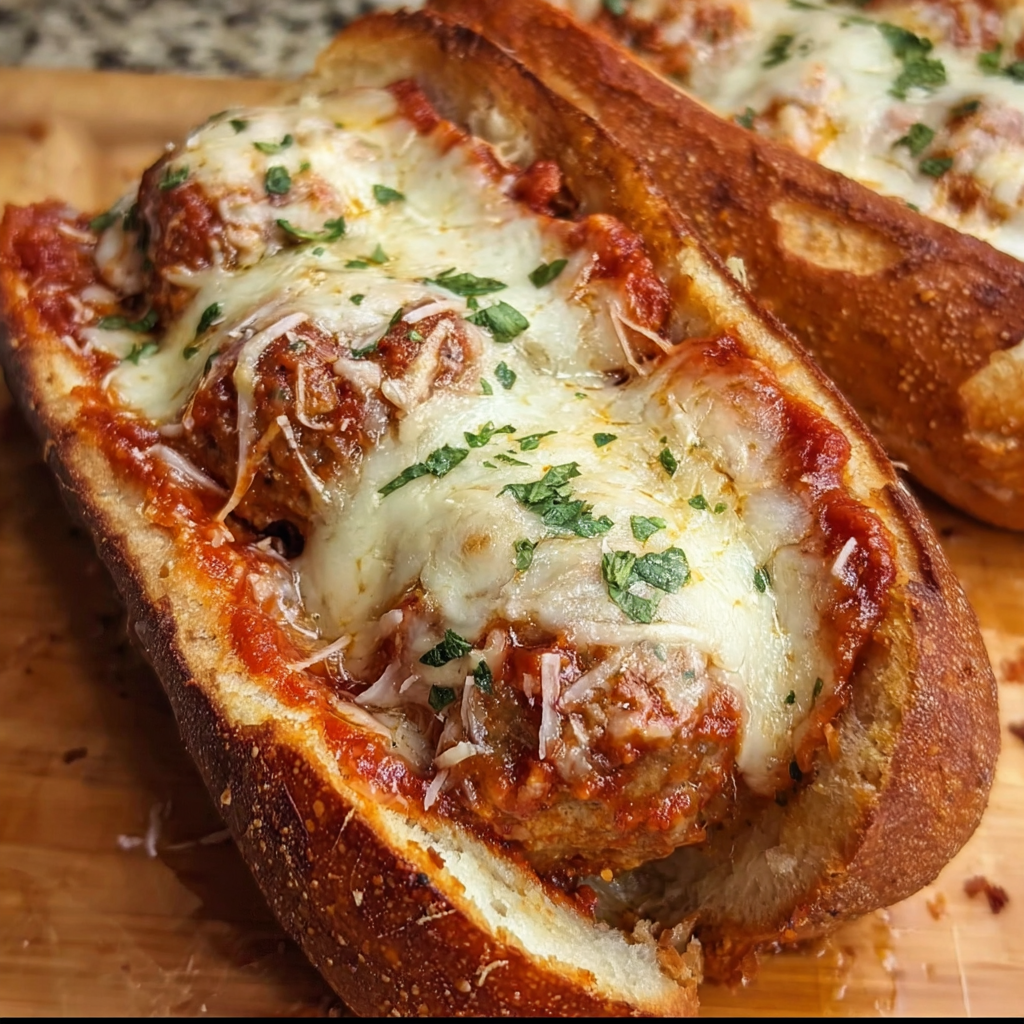
For those counting calories or following specific diet plans like keto or paleo, modifications can easily be made. For a lower-carb option, consider using zucchini noodles or cauliflower rice instead of bread. Alternatively, for a keto-friendly version, you can use almond flour or coconut flour to create low-carb meatballs.
In comparison to similar dishes, such as the classic cheesesteak or sausage and peppers, the meatball sub often provides a healthier balance of nutrients due to its protein content and potential for added vegetables. While it’s still a comfort food, understanding its nutritional benefits allows you to enjoy it more mindfully.
In conclusion, the meatball sub is not just a delightful and hearty meal but also a versatile option that can fit into various dietary needs and preferences. Whether you enjoy it as is or make healthier modifications, this beloved sandwich can be both satisfying and nutritious. By being mindful of the ingredients and preparation methods, you can indulge in a meatball sub guilt-free!
Conclusion: Mastering the Perfect meatball sub
Creating the perfect meatball sub is more than just following a recipe—it’s about understanding the techniques, ingredients, and cultural significance behind this beloved dish. Throughout this comprehensive guide, we’ve explored everything from the historical origins to modern variations, ensuring you have all the knowledge needed to make this recipe your own.
Whether you’re a beginner cook or an experienced chef, the techniques and tips we’ve shared will help you create a meatball sub that’s not only delicious but also meaningful. Remember that cooking is a journey of discovery, and each time you make this dish, you’ll learn something new.
We encourage you to experiment with the variations we’ve discussed, adapt the recipe to your dietary needs, and most importantly, share it with the people you love. Food has the incredible power to bring people together, and Meatball Sub is the perfect dish to create lasting memories around your dinner table.