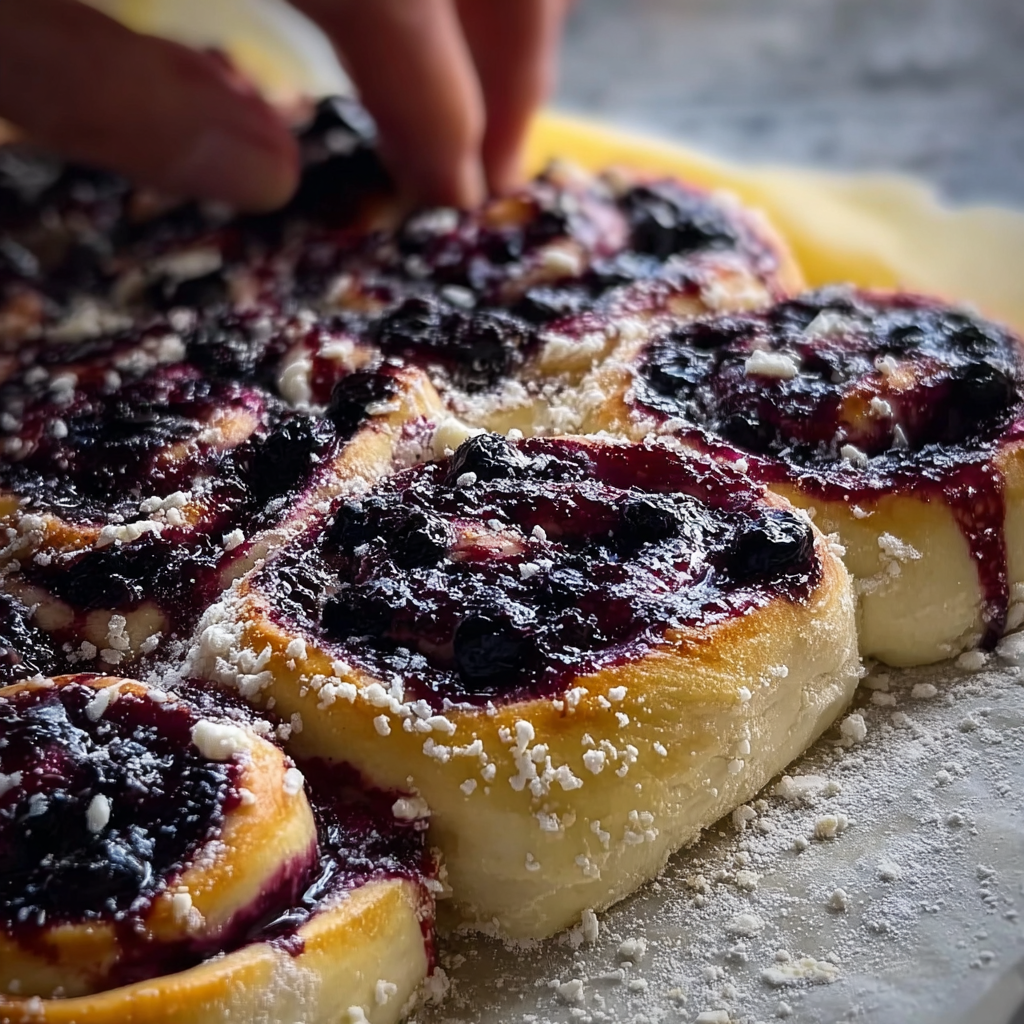
sourdough discard lemon rolls have become a delightful staple in my kitchen, a recipe that speaks to the heart of both functionality and flavor. I remember the first time I stumbled upon this gem—it was a rainy afternoon, and I was feeling particularly adventurous in my baking endeavors. With a bowl of sourdough discard sitting on my counter from my latest bread-making session, I decided to experiment. The goal? To create something sweet and tangy that would not only utilize my sourdough discard but also make my family swoon. That’s when I decided to throw in some fresh blueberries and zesty lemon, and oh boy, did that decision lead to a culinary revelation! The moment those rolls emerged from the oven, golden brown and fragrant, I knew I had discovered something special.
The Story Behind This Recipe
This recipe is much more than just a way to use up leftover sourdough starter; it’s a testament to the creativity that comes from home cooking. In a world where food waste is a significant issue, finding a way to repurpose ingredients is not only practical but also a form of culinary artistry. Sourdough discard lemon rolls marry the tangy punch of lemon with the sweet, juicy burst of blueberries, creating a flavor profile that is both refreshing and comforting. This dish stands out because it encapsulates the spirit of using what you have on hand to create something extraordinary.
What makes this recipe particularly appealing to busy families is its simplicity and versatility. With a few basic ingredients and less than an hour of your time, you can whip up a batch of these delicious rolls that are perfect for breakfast, an afternoon snack, or even as a side dish for dinner. Imagine the joy of pulling warm, fragrant rolls from the oven after a long day, the aroma filling your home and drawing the family together. It’s the kind of dish that sparks conversation and creates lasting memories, all while being easy enough to prepare that it won’t add stress to your busy schedule.
Seasonal relevance also plays a key role in the popularity of sourdough discard lemon rolls. While they are delightful year-round, they shine brightest in the spring and summer months when lemons and blueberries are at their peak. The bright flavors of lemon and the sweet burst of blueberries evoke the essence of sunny days, picnics, and family gatherings, making them a perfect addition to any seasonal celebration. And let’s be honest, who doesn’t want a warm roll filled with sweet berries and a hint of citrus on a warm summer afternoon?
There’s an emotional connection that comes with baking. Each time I make these rolls, I think of my grandmother, who was a master baker. She always knew how to make something special out of the simplest ingredients. I can still hear her laughter as we would bake together, her gentle guidance shaping my love for cooking. Sourdough discard lemon rolls remind me of those cherished moments, and I hope that each bite brings the same comfort to my family that it brought to me when I was younger.
In this article, you’ll learn not only how to make these scrumptious rolls but also gain insight into the versatile world of sourdough discard. We’ll explore the origins of sourdough, its cultural significance, and how you can incorporate it into your daily cooking. Prepare to embark on a culinary journey that will inspire you to embrace sourdough discard in ways you never thought possible, all while creating something delicious that your family will love!
The Rich History and Cultural Significance of sourdough discard lemon
The sourdough discard lemon rolls we enjoy today are not just a modern invention; they are part of a long-standing tradition of sourdough baking that dates back thousands of years. Sourdough itself is one of the oldest forms of leavened bread, originating from the Fertile Crescent around 3000 BC. Ancient Egyptians were the first to discover the fermentation process, using wild yeasts and bacteria present in their environment. This discovery not only changed the way bread was made but also paved the way for the rich tapestry of baking that we see across cultures today.
Origins and History
The concept of using sourdough discard is relatively newer, but it has its roots in the necessity of minimizing waste. Home bakers and professional chefs alike have been finding creative ways to repurpose sourdough starter for centuries. Traditionally, sourdough was often made with a piece of dough saved from the previous batch to jumpstart the fermentation process. As bakers became more experimental, the idea of using leftover starter to create other baked goods emerged, leading to delightful recipes like pancakes, waffles, and yes, lemon blueberry rolls.
Regional variations of sourdough baking have flourished around the world. In San Francisco, for example, the sourdough bread is famed for its unique tanginess due to the specific wild yeasts present in the area. In contrast, European regions often have their own interpretations, such as the German “sauerteig” or the French “pain au levain.” Each culture has embraced sourdough in its way, contributing to the rich history and diversity of baked goods we enjoy today. Sourdough discard lemon rolls can be seen as a reflection of this global tradition, merging classic techniques with innovative flavors.
Cultural Significance
In many cultures, bread is a symbol of sustenance and community. Sourdough, in particular, has a deep-rooted cultural significance as it often represents family heritage and tradition. The practice of maintaining a sourdough starter can be likened to nurturing a family legacy—sharing it with loved ones, passing it down through generations, and creating delicious meals together. Sourdough discard lemon rolls embody this spirit, serving as a bridge between the past and present, where ancient techniques meet modern culinary creativity.
When it comes to occasions for serving these rolls, they can be enjoyed anytime. However, they often make an appearance at family brunches, holiday gatherings, and potlucks, where their unique flavor can be appreciated by all. The bright, citrusy notes make them especially popular during spring and summer celebrations, such as Easter brunch or Fourth of July picnics, enhancing the festive atmosphere with their cheerful appearance and flavor.
Nutritional Benefits
Beyond their delicious taste, sourdough discard lemon rolls also offer some nutritional advantages. The fermentation process involved in sourdough baking enhances the bioavailability of nutrients, making them easier for our bodies to absorb. Whole grain flours used in sourdough also contribute to higher fiber content compared to traditional white bread, promoting digestive health. Additionally, the addition of blueberries not only provides a burst of flavor but also packs in antioxidants, vitamins, and minerals, making these rolls a more wholesome option compared to other sweet treats.
In conclusion, the journey of sourdough discard lemon rolls is one that encapsulates history, culture, creativity, and nutrition. As you embark on making your own batch, remember that you’re not just following a recipe; you’re participating in a timeless tradition of baking that has connected people across the globe for centuries. Embrace the process, enjoy the flavors, and share the love that comes from making something special with your own two hands.
Essential Ingredients for Perfect sourdough discard lemon
When it comes to crafting the perfect sourdough discard lemon rolls, the ingredients you choose can make all the difference. Not only do they contribute to the flavor and texture of the rolls, but they also play a critical role in the fermentation process that gives sourdough its characteristic taste. Let’s dive into the essential ingredients you’ll need for this delightful recipe, and I’ll share some tips and insights along the way.
Essential Ingredients
- 10 grams sourdough starter, ripe and active, about 2 teaspoons
- 10 grams granulated sugar, about 1 Tablespoon
- 50 grams all-purpose or bread flour, about 6 Tablespoons
- 25 grams water, about 2 Tablespoons
- 90 grams levain, all of it, see recipe notes, about 1/3 cup
- 220 grams whole milk, warmed, about 3/4 cup plus 2 Tablespoons
- 55 grams unsalted butter, melted, about 1/4 cup
- 60 grams granulated sugar, about 1/4 cup
- 6 grams lemon zest, from one large lemon, about 1 Tablespoon
- 1 large egg, about 50 grams
- 6 grams salt, about 1 teaspoon
- 475 grams bread flour, about 3 1/3 cups
- 190 grams fresh or frozen blueberries, about 1 cup
- 50 grams granulated sugar, about 1/4 cup
- 15 grams lemon juice, about 1 Tablespoon
- 10 grams cornstarch, about 1 Tablespoon
- 55 grams unsalted butter, about 4 Tablespoons
- 60 grams granulated sugar, about 1/3 cup
- 6 grams lemon zest (from one large lemon), about 1 Tablespoon
- Pinch of salt
- 55 grams unsalted butter, 4 Tablespoons
- 30 grams cream cheese, about 2 Tablespoons or 1 oz
- 125 grams powdered sugar, about 1 cup
- 15 grams lemon juice, about 1 Tablespoon
- 2-4 grams lemon zest, about 1-2 teaspoons
- Pinch of salt

Sourdough Discard Lemon Blueberry Rolls
Ingredients
- Sweet Stiff Levain
- 10 grams sourdough starter, ripe and active, about 2 teaspoons
- 10 grams granulated sugar, about 1 Tablespoon
- 50 grams all-purpose or bread flour, about 6 Tablespoons
- 25 grams water, about 2 Tablespoons
- Sourdough Blueberry Lemon Roll Dough
- 90 grams levain, all of it, see recipe notes, about 1/3 cup
- 220 grams whole milk, warmed, about 3/4 cup plus 2 Tablespoons
- 55 grams unsalted butter, melted, about 1/4 cup
- 60 grams granulated sugar, about 1/4 cup
- 6 grams lemon zest, from one large lemon, about 1 Tablespoon
- 1 large egg, about 50 grams
- 6 grams salt, about 1 teaspoon
- 475 grams bread flour, about 3 1/3 cups
- Blueberry Compote
- 190 grams fresh or frozen blueberries, about 1 cup
- 50 grams granulated sugar, about 1/4 cup
- 15 grams lemon juice, about 1 Tablespoon
- 10 grams cornstarch, about 1 Tablespoon
- Lemon Filling
- 55 grams unsalted butter, about 4 Tablespoons
- 60 grams granulated sugar, about 1/3 cup
- 6 grams lemon zest (from one large lemon), about 1 Tablespoon
- pinch of salt
- Blueberry Lemon Roll Frosting
- 55 grams unsalted butter, 4 Tablespoons
- 30 grams cream cheese, about 2 Tablespoons or 1 oz
- 125 grams powdered sugar, about 1 cup
- 15 grams lemon juice, about 1 Tablespoon
- 2–4 grams lemon zest, about 1–2 teaspoons
- pinch of salt
Instructions
Mix Levain (10-12 hours, overnight at 78ºF)
-
Mix together ripe sourdough starter, all-purpose flour, granulated sugar and water. Knead the levain until it forms a cohesive ball. Set in a liquid measuring cup and cover for 10-12 hours until the levain has doubled in size and the top is rounded.
Sourdough Blueberry Lemon Sweet Roll Dough
-
-
Mix Dough: Warm the milk in the microwave (about 1 1/2 minutes full power) or on the stove. It should be around 90-100ºF, no warmer than that. To the bowl of a stand mixer with a dough hook, add the ripe levain, warmed milk and melted butter. Add the sugar, egg, salt, lemon zest and most of the bread flour. Turn on the dough hook and knead for a few minutes. Add the remainder of the bread flour as needed. The dough should be tacky, not overly sticky and should all cling to one side of the bowl (or away from the edges depending on your mixer). Knead for a total of 8-10 minutes until the dough is smooth. If mixing by hand, knead for 10-15 minutes.
-
Bulk Fermentation: Put the dough in a container and cover. Set the dough in a warm, 78-80ºF place for 4 hours. Take the temperature of the dough as needed to make sure it stays right around 78-80ºF. This temperature is optimal for fermentation. At the end of about 4 hours, the dough should be puffed up and feel very elastic. If it doesn’t feel this way, let it bulk ferment for another half hour and check again.
-
Overnight Refrigeration: At this point, after the bulk fermentation has finished, cover the dough and put it in the refrigerator. Proceed with the recipe the next day, shaping and proofing the rolls before baking. This allows you to time the rolls for breakfast or brunch if desired. If you prefer to shape the rolls and bake them the same day OR let the rolls rise and THEN cold ferment, check out the alternative options in the recipe notes.
-
Blueberry Compote: To a small saucepan add the blueberries, sugar and lemon juice. Set over medium heat and cook for about 5 minutes, mashing the berries during this time. Add cornstarch and whisk together over heat for about 10-15 seconds until thickened. Pour into a bowl and set aside to cool completely. This blueberry compote can be covered and refrigerated for up to a couple of days if desired.
-
Lemon Filling: Right before you’re ready to shape the rolls, pull the dough out of the refrigerator and mix together the lemon filling. Mix softened (or melty) butter, sugar, lemon zest and salt until it forms a thick paste.
-
-
Shaping: Prepare a 9 by 13 pan with parchment paper or use a non-stick pan. Roll the dough out into an approximate 16 by 12 rectangle. Spread the lemon filling all over the dough with your fingers, making sure to spread right to the edges of the dough. Add the blueberry compote on top of the lemon filling and spread to the edges. Starting with the dough closest to you, roll up the blueberry rolls and pinch together the seam. Flip the roll over, seam side down. Cut the long log of dough into 8 equal pieces. Place the rolls in the baking pan with two in the middle of the pan and three on each side of the pan, snuggling all 8 rolls together.
-
Proofing: Cover the pan of rolls and let rise in an 80-85ºF place until puffed up and risen, about 3-4 hours. Do not bake these rolls if they have not risen.
-
Baking: Pre-heat the oven to 350ºF. Bake the blueberry rolls for about 30 minutes until baked all the way through. Check the middle of a few of the rolls by using a knife to pry up a bit of the roll and make sure it is baked to your liking (the center will tell you if it needs more time or is perfectly baked).
-
Cream Cheese Frosting: Using a hand mixer, whip together softened butter and cream cheese. Add the powdered sugar, lemon juice, lemon zest and salt. Whip together for 2-3 minutes, scraping down the sides of the bowl as needed. The frosting should be light and fluffy.
-
Spread frosting over the tops of the blueberry lemon sweet rolls while they are still warm. Enjoy!
Now that we have our sourdough discard lemon ingredients listed, let’s explore the role and importance of each one.
Ingredient Roles and Importance
Your sourdough starter is the backbone of this recipe. It’s what gives your rolls that unique tangy flavor. Make sure your starter is ripe and active; it should be bubbly and have a pleasant smell. If you’re unsure, a quick feeding a few hours before you bake can ensure that it’s at its peak.
Granulated sugar plays a dual role here – it not only sweetens the dough but also feeds the yeast in the starter, helping it to rise beautifully. The all-purpose or bread flour provides the structure needed for the rolls, ensuring they are fluffy yet slightly chewy.
Water is crucial for hydrating the flour and activating the yeast, while the whole milk adds richness and tenderness to the dough. The unsalted butter contributes to a soft texture and a delightful flavor, and the lemon zest is where the magic happens, infusing the rolls with a bright, citrusy aroma that pairs beautifully with blueberries.
Speaking of blueberries, whether you opt for fresh or frozen, these little gems will add bursts of flavor and moisture to each roll. They also provide a pop of color, making your sourdough discard lemon rolls not just delicious but visually appealing as well.
Shopping Tips
When shopping for your ingredients, quality is key. Look for a vibrant, fragrant lemon for zesting. The zest should be bright yellow, and the lemon itself should feel firm but have a little give when you press it. For your dairy, choose whole milk for the best flavor and creaminess. If possible, opt for organic butter as it tends to have a richer taste.
For flour, I recommend using a high-protein bread flour for that perfect chewy texture, but all-purpose flour can work in a pinch. Always check the expiration dates on your yeast and baking powder to ensure maximum effectiveness.
Substitutions and Alternatives
Dietary restrictions are common, so let’s talk substitutions. If you’re vegan, you can substitute the butter with a plant-based alternative and replace the egg with a flax or chia seed egg. Almond milk or oat milk can replace whole milk if you’re lactose intolerant. As for the sugar, coconut sugar or a sugar substitute can be used, but keep in mind that this might slightly alter the flavor and texture of your sourdough discard lemon rolls.
Storage Tips
Store your sourdough starter in the refrigerator if you’re not using it daily, but be sure to feed it regularly to keep it healthy. Fresh blueberries can be kept in the fridge for up to a week, while frozen berries can be stored for several months. Flour should be kept in an airtight container in a cool, dry place to prevent bugs and moisture from ruining it.
Cost-Saving Tips
Buying in bulk can save you money, especially for flour and sugar. Look for sales or purchase store brands, which are often just as good as name brands. You can also make your own buttermilk by mixing milk with a splash of vinegar or lemon juice if you don’t have any on hand.
Finally, consider growing your own herbs or even starting your sourdough starter at home, which can be a rewarding and budget-friendly option! Each ingredient in our sourdough discard lemon rolls contributes to a delightful culinary experience, and with these tips, you’ll be well-equipped to create something truly special.
Detailed Step-by-Step sourdough discard lemon Cooking Instructions
Now that we’ve gathered our ingredients, it’s time to get our hands doughy and create some beautiful sourdough discard lemon rolls! This step-by-step guide will walk you through the process, from preparation to the final assembly, ensuring that your rolls turn out perfectly every time.
Preparation Steps
- Gather Your Ingredients: Start by laying out all your ingredients on the counter. This not only makes the process smoother but also ensures you don’t forget anything. Check that your sourdough starter is ripe and bubbly and make sure your milk is warmed slightly (not hot) to enhance the yeast activity.
- Mise en Place: Prepare your workspace by measuring out all your ingredients. This includes weighing your flour, sugar, and butter. It’s also a good idea to zest your lemon now to save time later.
- Prepare the Milk: Warm the whole milk in the microwave for about 30 seconds until it’s lukewarm. This helps activate the yeast better when mixed.
Cooking Process
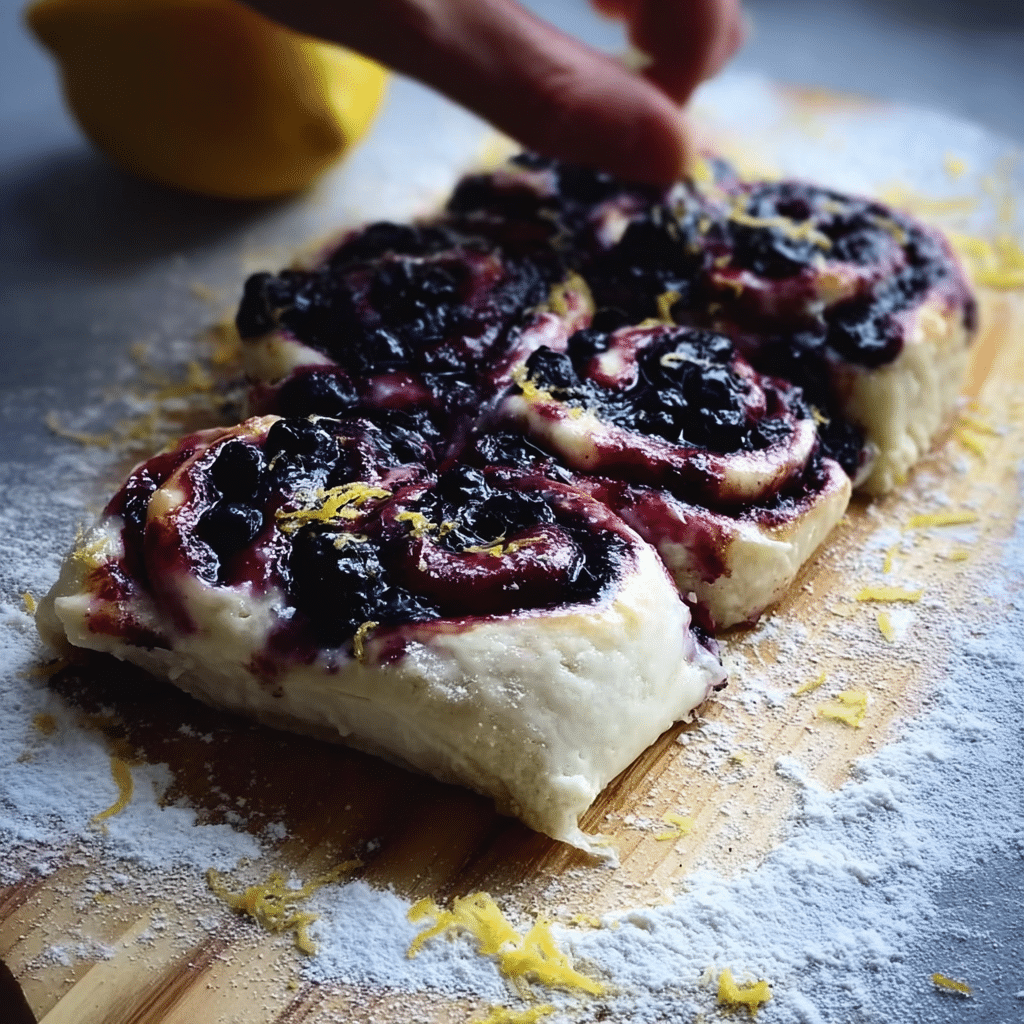
- Mixing the Dough: In a large bowl, combine your sourdough starter, granulated sugar, all-purpose flour, and water. Stir until well mixed. Then, add your levain (the active portion of your starter), warm milk, melted butter, egg, lemon zest, and salt. Mix everything until a shaggy dough forms.
- Kneading the Dough: Transfer the dough onto a floured surface and knead it for about 10-15 minutes until it becomes smooth and elastic. You can do the windowpane test to check if the dough has been kneaded enough: stretch a small piece of dough between your fingers; if it holds together without tearing, you’re good to go.
- First Rise: Place the dough in a lightly greased bowl and cover it with a damp cloth or plastic wrap. Allow it to rise in a warm area for about 1-2 hours until it has doubled in size. This is the fermentation process where the sourdough flavor develops.
- Incorporate Blueberries: Once the dough has risen, gently punch it down to release the air. Fold in your blueberries carefully to avoid crushing them.
Final Assembly
- Shaping the Rolls: On a floured surface, divide your dough into equal pieces, about 70 grams each. Roll each piece into a ball, then flatten it slightly. You can also create a little pocket to hold some extra blueberries if you desire!
- Second Rise: Place the shaped rolls into a greased baking dish, ensuring they’re touching each other for that lovely soft texture. Cover them again and let them rise for another hour.
- Preheat the Oven: While the rolls are on their second rise, preheat your oven to 375°F (190°C). This will ensure that your rolls go straight into a hot oven, helping them to rise beautifully.
- Bake the Rolls: Once preheated, bake the rolls for about 20-25 minutes or until they are golden brown on top. You’ll know they’re done when they sound hollow when tapped on the bottom.
- Cooling and Glazing: Allow the rolls to cool in the pan for about 10 minutes before transferring them to a wire rack. While they cool, whip up your glaze using cream cheese, powdered sugar, lemon juice, and zest. Drizzle it over the warm rolls for a delightful finish.
Common mistakes to avoid include not letting your dough rise long enough or over-kneading, which can lead to tough rolls. A good tip is to have a timer handy for each step to keep you on track. And remember, every oven is different; keep an eye on your rolls as they bake. The wonderful aroma of lemon and blueberries will fill your kitchen, making the wait worthwhile!
Lastly, timing is key. While the rolls are rising, you can clean up your workspace or even prepare a cup of tea to enjoy with your fresh rolls. The total cooking time for these delectable sourdough discard lemon rolls is about 30 minutes, but the joy of baking and sharing them is incalculable!
Professional Tips and Techniques for sourdough discard lemon
When it comes to baking with sourdough discard, there’s a world of possibilities waiting to be explored. One of my favorite creations is the sourdough discard lemon rolls, which not only utilize that precious discard but also burst with the vibrant zest of lemon and the sweetness of blueberries. But before you dive into the recipe, let’s cover some professional tips and techniques to elevate your baking experience.
Professional Techniques
First and foremost, let’s talk about the importance of your sourdough starter. The starter is the heart and soul of your baking; therefore, the quality of your sourdough discard matters immensely. Make sure your starter is active and bubbly. It should have been fed within a few hours before you plan to use it. This ensures that your sourdough discard lemon rolls will rise beautifully, resulting in a light and fluffy texture.
When mixing your dough, use the “windowpane test” to check the gluten development. Take a small piece of dough and stretch it between your fingers. If it forms a thin, translucent membrane without tearing, you’re good to go. For those who want to dive deeper, consider using the autolyse method. This involves mixing the flour and water first and letting it rest before adding salt and sourdough discard. This process enhances gluten development and improves the overall flavor of your rolls.
Another insider secret is to incorporate the lemon zest into your dry ingredients rather than adding it later. This allows the citrus oils to infuse into the flour, creating a more profound lemon flavor that permeates throughout the sourdough discard lemon rolls.
Troubleshooting Guide
As with any baking endeavor, things can go awry. One common issue is dense rolls. If your rolls turn out heavy, it’s often due to under-proofing or over-proofing. To combat this, always check for the dough’s elasticity. You should see it double in size during the first rise. If you’re unsure, do the poke test: gently poke the dough, and if it springs back slowly, it’s ready for shaping.
Another frequent problem is the rolls being too sour. While the sour flavor is part of the charm of using sourdough discard, if it’s overpowering, consider using a younger discard. A discard that’s been fed recently will be milder in flavor and produce a more balanced roll.
For those who are seasoned bakers, consider playing with the hydration of your dough. A wetter dough can lead to more open crumb structures but can be tricky to work with. If you’re feeling adventurous, try adjusting your liquid ingredients slightly to see how it affects your final product.
Presentation Tips
Let’s not forget about presentation! Once your sourdough discard lemon rolls are baked to golden perfection, it’s time to get creative with how you serve them. A simple dusting of powdered sugar can elevate their look and add a touch of sweetness. You can also create a lemon glaze by mixing powdered sugar with lemon juice and drizzling it over the rolls for a beautiful finish.
To make your serving not just delicious but visually appealing, consider using a rustic wooden board or a beautiful cake stand to display your rolls. Garnish with fresh blueberries and lemon slices for a pop of color and an inviting aroma. This attention to detail can transform your baking from a simple treat into a showstopper.
For beverage pairings, I recommend serving these rolls with a light herbal tea or a refreshing lemonade. The citrus notes will complement the flavors of the rolls beautifully. If you prefer something stronger, a crisp, chilled white wine like Sauvignon Blanc can also enhance your tasting experience.
Lastly, think about make-ahead strategies. You can prepare the dough in advance and shape the rolls, then place them in the refrigerator overnight. When you’re ready to bake, simply take them out, let them rise for about an hour, and pop them into the oven. This not only saves time but also allows the flavors to develop further.
By following these professional tips and techniques, you’ll be well on your way to mastering sourdough discard lemon rolls that are not only delicious but also a joy to make!
Creative Variations and Adaptations of sourdough discard lemon
One of the most exhilarating aspects of baking is the freedom to experiment and make each recipe your own. With sourdough discard lemon rolls, the possibilities for creative variations and adaptations are nearly endless. Whether you’re looking to incorporate seasonal ingredients, tweak the dietary profile, or just add a personal touch, let’s dive into some exciting ways to customize your rolls.
Seasonal Variations
Seasonal ingredients can infuse your baking with unique flavors and freshness. In the spring and summer, consider adding fresh berries like strawberries or raspberries to your rolls. Their sweetness pairs perfectly with the tangy lemon, creating a delightful contrast in each bite. You can also swap out blueberries for blackberries if you want a deeper, more robust flavor profile.
As fall approaches, think about incorporating spices like cinnamon or nutmeg into your dough. These spices can complement the lemon and provide a warm, comforting flavor that’s perfect for cozy gatherings. You might even try a drizzle of maple syrup in place of sugar for a more autumnal twist.
In winter, you can create a holiday version of your sourdough discard lemon rolls by adding cranberries and a hint of orange zest. This combination not only brightens the flavors but also brings a festive touch to your table. Imagine serving these during family gatherings—what a delightful treat!
Dietary Adaptations
For those with dietary restrictions, it’s essential to know that you can modify the sourdough discard lemon rolls to fit various needs. If you’re following a vegan diet, simply substitute the butter with coconut oil or vegan butter and use a flaxseed egg in place of regular eggs. This will help maintain the moistness and richness of your rolls.
If gluten is a concern, you can experiment with gluten-free flours. Blending almond flour with a gluten-free all-purpose flour can yield a satisfying texture. Just be mindful of the hydration levels, as gluten-free flours absorb more liquid than traditional wheat flour.
For those on a keto diet, you can create a low-carb version by using almond flour and sugar substitutes like erythritol. While the texture might differ slightly from traditional rolls, they’ll still be delicious and a fraction of the carbs!
Creative Twists
Feeling adventurous? Try adding unexpected ingredients to your sourdough discard lemon rolls. How about infusing a matcha flavor? Mixing in matcha powder will not only give the rolls a beautiful green hue but also a unique earthy flavor that pairs surprisingly well with lemon. It’s a fun way to impress your friends at brunch!
If you’re a fan of savory flavors, consider adding herbs like rosemary or thyme into the dough. The aromatic oils from the herbs will elevate the rolls, making them perfect for pairing with a cheese platter or serving alongside roasted meats.
Another exciting twist is to try different cooking methods. While baking these rolls in the oven is traditional, you can also cook them in a skillet or Dutch oven for a crispy exterior and soft interior. This method is particularly useful during the summer months when you want to avoid heating up the kitchen too much.
And don’t forget about leftover transformation! If you find yourself with extra rolls after a gathering, think about turning them into a decadent bread pudding or French toast. Just soak the rolls in a mixture of eggs, milk, and vanilla, then cook until golden brown. It’s a brilliant way to reduce waste while enjoying a completely different dish!
With these creative variations and adaptations, your sourdough discard lemon rolls can be tailored to suit any occasion or palate. So roll up your sleeves, get inventive, and let your culinary imagination run wild!
Storage, Reheating, and Meal Prep for sourdough discard lemon
When it comes to baking, especially with something as versatile as sourdough discard lemon blueberry rolls, understanding how to properly store your creations can make all the difference in maintaining their freshness and flavor. Whether you’re making these delightful rolls for a special occasion or simply to enjoy at home, knowing how to store them effectively allows you to savor them at their best. Let’s delve into various storage methods for sourdough discard lemon rolls and ensure they remain a delightful treat for days to come.
Short-term Storage
After you’ve baked your sourdough discard lemon blueberry rolls, the best way to store them for short-term use is to keep them at room temperature. To do this effectively, place the rolls in an airtight container or a resealable plastic bag. This minimizes exposure to air, which can cause the rolls to dry out. If you’re using a container, consider lining it with a clean kitchen towel before placing the rolls inside. This helps absorb any moisture and prevents a soggy texture.
Ideally, the rolls should be consumed within three days when stored at room temperature. If you notice any signs of staleness, you can always revive them slightly by popping them in the microwave for a few seconds or heating them in the oven at a low temperature. Just be careful to not overheat, as this can lead to dryness.
Freezing and Long-term Storage
For longer storage, freezing is your best bet. Sourdough discard lemon blueberry rolls freeze beautifully, and you can enjoy them even weeks later. Start by allowing the rolls to cool completely after baking. Once they’re cooled, wrap each roll individually in plastic wrap to prevent freezer burn. Then, place the wrapped rolls in a freezer-safe bag or container, squeezing out as much air as possible before sealing it. Label the bag with the date and type of rolls for easy identification.
When stored properly, these rolls can last for about three months in the freezer. When you’re ready to enjoy them again, simply remove the desired number of rolls from the freezer and let them thaw in the refrigerator overnight. If you’re in a hurry, you can also leave them out at room temperature for a couple of hours. Once thawed, you can reheat them as mentioned above to restore their delightful texture.
Reheating Best Practices
Reheating your sourdough discard lemon blueberry rolls is an art in itself! You want to maintain their softness and flavor without drying them out. The oven is the best method for reheating. Preheat your oven to 350°F (175°C) and place the rolls on a baking sheet. If they feel a bit hard, you can lightly spritz them with water or cover them with aluminum foil to keep them moist. Heat for about 10-15 minutes, or until they’re warmed through and the outer crust is slightly crisp.
If you’re using a microwave, be sure to use it sparingly to avoid a tough texture. Place the roll on a microwave-safe plate and cover it with a damp paper towel. Heat in short bursts of about 10-15 seconds, checking frequently until warmed through. This method is quick, but keep in mind it may not yield the same delightful texture as the oven.
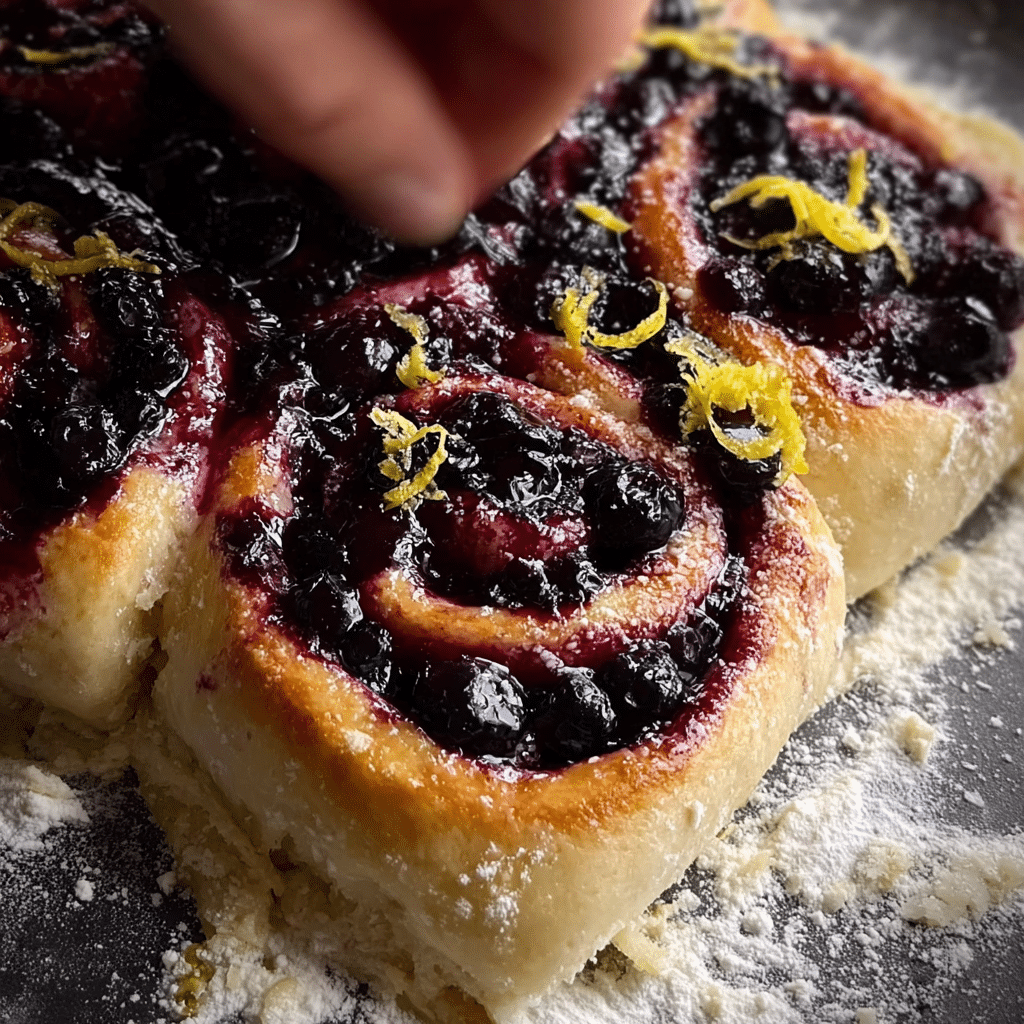
Meal prep can be a lifesaver, especially for busy weeknights or brunches with friends. When you batch cook your sourdough discard lemon blueberry rolls, consider portioning them before freezing. This way, you can take out just what you need without having to defrost an entire batch. It’s a great way to enjoy fresh-baked goodness without having to bake every time. Plus, these rolls can double as a quick breakfast option, served with a dollop of yogurt or a smear of butter.
Food safety is paramount when storing any baked goods. Always ensure your rolls are cooled completely before wrapping and freezing to prevent condensation and freezer burn. As a general rule, if you notice any off smells, mold, or significant changes in texture, it’s best to err on the side of caution and discard them. While sourdough discard lemon blueberry rolls can last a good while, always trust your senses.
In summary, mastering the storage of your sourdough discard lemon blueberry rolls can elevate your baking game. From short-term to long-term solutions, each method ensures that you can enjoy the deliciousness of these rolls for days, or even weeks, after baking. Happy baking and storing!
Nutritional Benefits and Health Information
When we think about sourdough discard lemon blueberry rolls, it’s easy to get lost in their delightful flavor and aroma. But, as with any culinary creation, understanding the nutritional profile of these rolls is crucial, especially if you’re enjoying them as part of a balanced diet. Let’s dive into the nutritional benefits and health information surrounding this scrumptious treat.
Nutritional Profile
A typical sourdough discard lemon blueberry roll is a wonderful combination of ingredients that each brings its own nutritional value to the table. The main components include flour, sourdough starter, blueberries, and various fats and sweeteners. A single roll, depending on size, generally contains around 150-200 calories. The calorie content can vary based on the specific recipe and ingredients used, particularly the type of flour and the amount of sugar or fat.
In terms of macronutrients, you can expect the rolls to provide a decent balance of carbohydrates, fats, and proteins. Most of the calories come from carbohydrates, primarily from the flour and the natural sugars in the blueberries. A standard roll can offer approximately 30-35 grams of carbohydrates, 4-6 grams of protein, and 5-8 grams of fat. The fat content largely depends on whether you’ve included butter or other fats in your recipe. Moreover, the presence of sourdough starter means that the rolls might also have a slightly lower glycemic index compared to regular sweet rolls, which is a plus for those monitoring blood sugar levels.
Health Benefits
The ingredients in sourdough discard lemon blueberry rolls offer numerous health benefits. For starters, the blueberries are a powerhouse of antioxidants. They are rich in vitamins C and K, along with dietary fiber. Antioxidants help combat oxidative stress in the body, potentially reducing the risk of chronic diseases such as heart disease and cancer. Plus, the fiber content in blueberries aids digestion and contributes to a feeling of fullness.
Furthermore, sourdough bread has been shown to have health benefits associated with its fermentation process. The natural fermentation that occurs when creating a sourdough starter can enhance the bioavailability of nutrients found in the flour, making them easier for our bodies to absorb. This means more of the good stuff is available to you when you enjoy your rolls!
Dietary Considerations
As with any baked good, it’s essential to consider dietary restrictions or preferences. Sourdough discard lemon blueberry rolls can be easily adapted for various diets. For those with gluten sensitivities (though not celiac disease), using gluten-free flour can be a suitable alternative. There are several gluten-free flour blends available that can replace all-purpose flour in baking. However, the texture may vary slightly, so it might take a bit of experimentation.
For those who are vegan or looking to reduce animal products, you can substitute the butter with plant-based alternatives and use a dairy-free milk option. Similarly, honey or regular sugar can be swapped for maple syrup or agave for a vegan-friendly sweetener. These modifications can make your rolls suitable for a wider audience without sacrificing too much on flavor.
When comparing sourdough discard lemon blueberry rolls to similar treats, such as traditional blueberry muffins, the sourdough rolls often come out on top due to their lower sugar content and the added benefits of the fermentation process. They tend to be less sweet and more complex in flavor, offering a delightful balance between tartness from the lemon and sweetness from the blueberries.
In conclusion, sourdough discard lemon blueberry rolls not only satisfy your sweet tooth but also provide a range of nutritional benefits. From the antioxidants in blueberries to the easier digestibility of sourdough, these rolls can fit beautifully into a well-rounded diet. With a bit of creativity, you can modify the recipe to meet your dietary needs while still enjoying the wonderful experience of baking and sharing these delightful treats.
Conclusion: Mastering the Perfect sourdough discard lemon
Creating the perfect sourdough discard lemon is more than just following a recipe—it’s about understanding the techniques, ingredients, and cultural significance behind this beloved dish. Throughout this comprehensive guide, we’ve explored everything from the historical origins to modern variations, ensuring you have all the knowledge needed to make this recipe your own.
Whether you’re a beginner cook or an experienced chef, the techniques and tips we’ve shared will help you create a sourdough discard lemon that’s not only delicious but also meaningful. Remember that cooking is a journey of discovery, and each time you make this dish, you’ll learn something new.
We encourage you to experiment with the variations we’ve discussed, adapt the recipe to your dietary needs, and most importantly, share it with the people you love. Food has the incredible power to bring people together, and Sourdough Discard Lemon Blueberry Rolls is the perfect dish to create lasting memories around your dinner table.